What Is Masterbatch? Types, Advantages, and Role in Plastic Industry
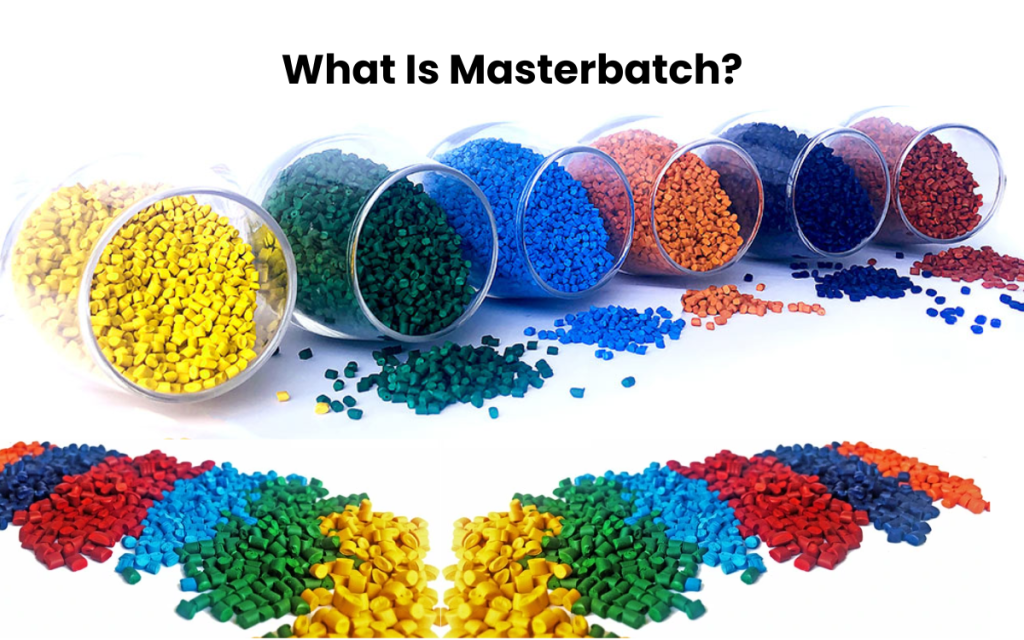
Masterbatch is a concentrated blend of pigments, additives, and polymers that plays a defining role in modern plastic manufacturing. Widely used across industries such as packaging, automotive, and consumer goods, it helps enhance product appearance, durability, and performance. As per MarketsandMarkets (https://www.marketsandmarkets.com), the global masterbatch market is expected to surpass USD 15 billion by 2027, driven by rising demand for functional and sustainable plastics.
Beyond simple colouring, masterbatch ensures uniform dispersion, reduces raw material wastage, and improves production efficiency. Manufacturers today rely on different types, including color, additive, and filler masterbatches, to meet specific application needs and regulatory standards.
With increasing focus on recyclability and cost optimization, its role has become even more critical. This blog explores what masterbatch is, its key types, advantages, and how it continues to shape innovation in the plastic industry worldwide.
Types of Masterbatch Used in the Plastic Industry
Masterbatch comes in various types, each designed to serve a specific function in plastic manufacturing, helping brands achieve both performance and visual appeal.
1. White Masterbatch
Primarily made using titanium dioxide (TiO₂), it provides excellent opacity, brightness, and UV resistance. It is widely used in packaging, films, and consumer products where a clean, premium white finish is required.
2. Black Masterbatch
Formulated with carbon black, this type offers deep black color along with UV protection and conductivity. It is commonly used in pipes, automotive parts, and industrial applications.
3. Color Masterbatch
Used to impart vibrant and consistent colors, it allows packaging manufacturers to maintain brand identity while ensuring uniform shade dispersion across production batches.
4. Additive Masterbatch
Enhances functional properties such as UV stability, flame retardancy, anti-static behavior, and anti-fog effects, making plastics more durable and application-specific.
5. Filler Masterbatch
Contains minerals like calcium carbonate to reduce production costs while improving stiffness and dimensional stability.
6. Specialty & Functional Masterbatch
Designed for advanced applications, including antimicrobial, biodegradable, and fragrance-releasing plastics, supporting innovation and sustainability in modern industries.
Key Advantages of Using Masterbatch
Masterbatch offers a range of practical advantages that make it a preferred choice in modern plastic manufacturing, especially for industries focused on quality, efficiency, and scalability.
a) Consistent Color Dispersion
Masterbatch ensures uniform distribution of pigments throughout the polymer, eliminating streaks or uneven shades and maintaining consistent product quality across batches.
b) Improved Processing Efficiency
Pre-dispersed additives reduce mixing time and simplify processing, allowing faster production cycles and better machine performance.
c) Reduced Material Waste
Accurate dosing and controlled formulation minimize raw material loss, helping manufacturers optimize resources and reduce overall wastage.
d) Cleaner Production Environment
Unlike loose pigments, masterbatch comes in pellet form, reducing dust, contamination, and workplace hazards during handling and processing.
e) Cost-Effectiveness
Although it may seem premium initially, masterbatch lowers long-term costs by improving efficiency, reducing rejects, and minimizing downtime.
f) Customization Flexibility
Manufacturers can tailor formulations based on specific needs—color shades, UV resistance, or anti-static properties—making it highly adaptable across industries.
g) Enhanced Product Performance
Additive masterbatches improve durability, weather resistance, and functional properties, ensuring the final packaging product meets performance standards.
h) Better Storage and Handling
Pelletized masterbatch is easy to store, transport, and handle compared to raw pigments, reducing spillage and maintaining material integrity over time.
Role of Masterbatch in the Plastic Industry
Masterbatch plays a vital role in the plastic industry by enhancing both the functionality and visual appeal of products across diverse sectors.
i) Packaging Industry
In packaging manufacturing, masterbatch is widely used to improve color consistency, UV protection, and barrier properties. It helps brands create visually appealing packaging while ensuring durability and product safety, especially in food-grade applications.
ii) Automotive Industry
Masterbatch contributes to high-performance plastic components by adding UV stability, heat resistance, and impact strength. It is commonly used in dashboards, bumpers, and interior trims where both aesthetics and durability are essential.
iii) Agriculture Sector
In agricultural films and irrigation products, masterbatch provides UV stabilization, anti-fog properties, and longer material life. This ensures better crop protection and improved productivity in varying environmental conditions.
iv) Consumer Goods
From household items to electronics, masterbatch enhances product appearance, strength, and usability. It allows manufacturers to achieve vibrant colors and specific functional properties tailored to consumer needs.
v) Medical & Healthcare
In medical applications, specialized masterbatches offer antimicrobial properties and strict compliance with safety standards. They are used in syringes, containers, and medical devices where hygiene and precision are critical.
Conclusion:
Masterbatch continues to be a backbone of the modern plastic industry, enabling manufacturers to achieve the perfect balance of aesthetics, performance, and cost-efficiency. From ensuring consistent color to enhancing durability and functionality, its role goes far beyond simple material enhancement. As industries move towards sustainability and high-performance materials, the demand for advanced and customized masterbatch solutions is only set to grow.
For businesses looking to stay competitive, choosing the right partner becomes crucial. Satyendra Packaging Ltd. (SPL) offers industry-driven expertise, innovative formulations, and tailored masterbatch solutions designed to meet evolving market needs. Whether your focus is on quality, efficiency, or sustainability, SPL can help you achieve production excellence.
Making informed choices today can define your product success tomorrow—masterbatch is not just an additive, but a strategic advantage in plastic manufacturing.
Recent Blogs
- Ventilated FIBC Bags: A Bulk Packaging Solution for Heat-Sensitive Products
- Top Reasons to Source FIBC Bags from Indian Manufacturers
- BOPP Packaging Film vs CPP vs PET Film: Which Packaging Material Wins?
- PP Woven Bags for Packaging: Types, Uses, Benefits & Manufacturing Process
- Top UV Masterbatch Manufacturer for Agriculture & Industrial Applications
- FIBC Bulk Bags Unloading Guide: Essential Equipment, Safety Checks, and Techniques
- Super Sack Bags Guide: Sizes, Materials, Capacity, and Industrial Uses
- The Ultimate Guide to Tunnel Bags for Cement and Construction Industry
- Non Woven Bags: A Smart Packaging Move That Boosts Sales & Sustainability
- FIBC Jumbo Bags Handling Guide: 8 Expert Tips to Prevent Accidents & Loss
- Woven Polypropylene vs. Paper Bags: Which is Best for Heavy-Duty Industrial Use
- Ventilated Bulk Bags Explained: Design, Durability, and Real-World Applications
- Pinch Bottom Bags: Why Brands Are Switching to This Smart Packaging?
- FIBC vs. Rigid Containers: Which One Delivers Better ROI for Bulk Transport?
- The Rise of Flexible Packaging: What Manufacturers and Startups Must Know
- What Is PP Multifilament Yarn? Benefits, Uses, and Industry Applications
- Polypropylene (PP): Uses, Benefits, and Applications in Packaging Industry
- Leno Bags: A Stronger Packaging Backbone for India’s Farm Produce Market
- The Ultimate Guide to Choosing the Geotextile Fabric for Your Project
- Top 6 Best Packaging Materials for Bulk Goods: Strong & Sustainable
- What is Flexible Packaging? The Smart Choice for FMCG Export & Supply
- Complete Guide to FIBC Bags – Types, Uses, and Benefits You Should Know
- BOPP Laminated Woven Bags Benefits | Satyendra Packaging
- Innovative BOPP Film | Satyendra Packaging Ltd Manufacturing
- BOPP Pinch Bottom Bags | Reliable Custom Packaging
- BOPP Laminated PP Woven Sacks | Durable Custom Packaging
- Leno Bags for Fresh Produce – Breathable & Durable Packs
- PP Woven Fabric: Meaning, Properties & Applications Guide
- FIBC Jumbo Bags: Uses, Benefits & More | Satyendra Packaging
- Top 5 Benefits of Woven Geotextile Fabrics in Roads
- High-Quality BOPP Film Packaging | Satyendra Packaging India
- Are BOPP Films Safe for Food Packaging? | Satyendra Group
- Are FIBCs Recyclable? A Guide to Sustainable Bulk Bags
- BOPP/PP Block Bottom Bags: Types, Benefits & Industry Uses
- Why PP Multifilament Yarn is Essential for Multiple Industries
- Boost Your Business with BOPP Bags
- Knitted Geotextiles: Game-Changer in Civil Engineering Solutions
- How Flexible Packaging Solutions Help to Grow Business
- FIBC Bags: The Versatile Solution for Bulk Material Handling
- Types of Flexible Packaging and Their Advantages
- Reasons Why PP Leno Mesh Bags Are the Best Choice for Produce Packaging
- Why BOPP Laminated PP Woven Bags Are Right For Your Business?
- Woven Polypropylene Bags: The Complete Guide
- Exploring the Benefits of FIBC Bulk Bags: A Practical Guide