The Ultimate Guide to Tunnel Bags for Cement and Construction Industry
In the cement and construction industry, packaging problems often create bigger challenges than expected.
A torn bag during transportation. Moisture-damaged cement. Material loss during loading and unloading. Delayed deliveries at construction sites. Small packaging failures can quickly increase operational costs and affect project timelines.
Think about it.
How many manufacturers and suppliers still struggle with wastage because traditional packaging cannot handle heavy industrial demands efficiently?
With global cement consumption reaching billions of tons every year, industries are under growing pressure to improve transportation, reduce product loss, and ensure stronger packaging performance.
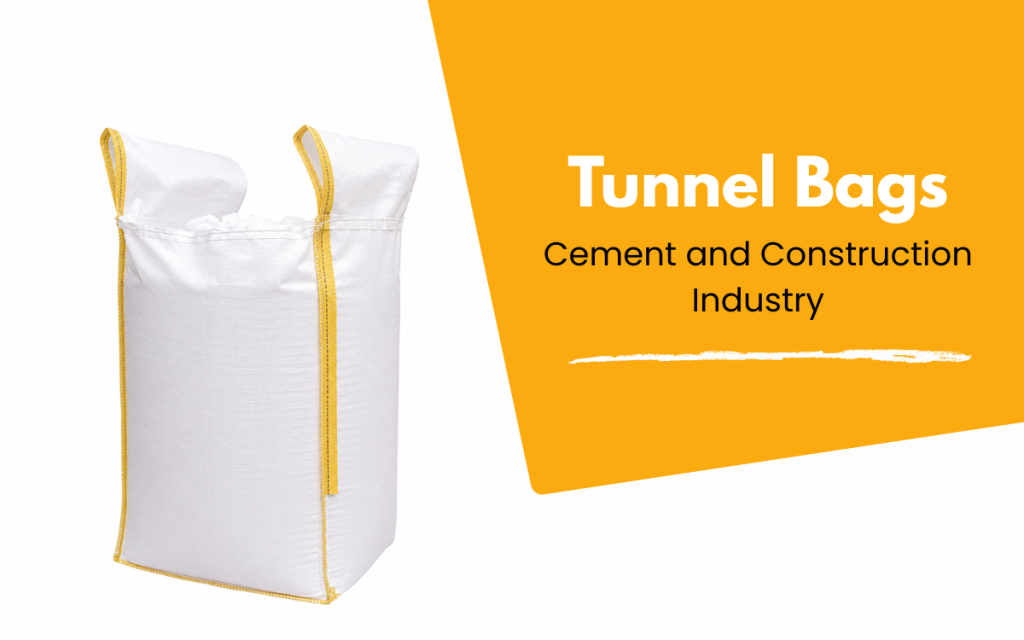
This is where Tunnel Bags, are creating a major difference. Designed for heavy-duty applications, tunnel bags offer better load stability, safer handling, and efficient storage solutions. In this guide, we will explore tunnel bag benefits, applications, and why industries are rapidly adopting these FIBC bulk bags for smarter construction packaging manufacturing solutions.
Why Tunnel Bags Are Becoming the Backbone of the Cement Industry?
The cement industry operates in an environment where handling efficiency, product safety, and transportation reliability directly impact profitability. Traditional packaging methods often struggle with issues like tearing, moisture exposure, material spillage, and difficult handling during transit.
This is why tunnel bags, are becoming the backbone of the cement industry. Their heavy-duty woven polypropylene structure supports high load capacities while offering better stability and durability throughout the supply chain. These FIBC bags help reduce material wastage, simplify loading and unloading processes, and improve storage efficiency.
As construction demand continues to grow, manufacturers are increasingly adopting tunnel bags to optimize operations and lower packaging-related losses. More than just a packaging option, tunnel bags are becoming a practical FIBC packaging solution for modern cement logistics and industrial handling needs.
Key Factors to Consider When Choosing Tunnel Bags
Selecting the right tunnel bags is not simply about packaging materials; it directly affects product protection, transportation efficiency, and operational costs. A wrong choice can lead to material losses, handling difficulties, and unnecessary expenses. Here are the key factors businesses should evaluate before choosing tunnel bags:
a) Material Quality and Strength
The quality of the FIBC bag material determines its durability and performance under industrial conditions. High-strength woven polypropylene fabrics provide better resistance against tearing, punctures, and heavy handling. Stronger tunnel bags reduce the chances of packaging failure during transportation and storage.
b) Load Capacity Requirements
Every industry has different weight-handling needs. Cement, aggregates, and construction materials often require heavy-duty packaging manufacturer. Selecting tunnel bags with suitable load capacities ensures safer handling and prevents stress-related damage during lifting and transit.
c) Environmental Conditions (Moisture, Heat)
Construction materials are frequently exposed to challenging environments. Moisture can damage cement quality, while heat and harsh weather conditions can affect packaging performance. Tunnel FIBC bags designed with protective features help maintain product integrity across different storage and transportation conditions.
d) Reusability Needs
Many businesses now focus on reducing packaging waste and improving sustainability. Reusable FIBC tunnel bags can support multiple handling cycles, making them a practical option for industries looking for long-term operational efficiency and lower replacement costs.
e) Cost vs Long-Term Benefits
Lower-priced packaging may appear economical initially, but poor-quality bags often create higher losses over time. Investing in durable tunnel bags can reduce material wastage, improve productivity, and deliver stronger long-term returns for cement and construction businesses.
Top Benefits of Using Tunnel Bags in Cement & Heavy Construction Materials
The cement and construction industry requires packaging that can withstand heavy loads, rough handling, and demanding transportation conditions. Tunnel bags have become a preferred FIBC packaging choice because they solve multiple operational challenges while improving overall efficiency.
1. High Load-Bearing Capacity
Tunnel bags are designed to handle heavy industrial materials such as cement, sand, aggregates, and construction compounds. Their strong FIBC structure supports large weight capacities without compromising safety.
2. Enhanced Durability
Heavy construction environments expose packaging to pressure, friction, and rough handling. Tunnel bags offer excellent resistance against tears, punctures, and wear, ensuring reliable performance throughout transportation and storage.
3. Cost-Effective Packaging Solution
Packaging failures can create hidden expenses through damaged materials and operational delays. Tunnel bags help reduce these costs by providing long-lasting performance and minimizing replacement requirements.
4. Easy Handling & Transportation
Efficient material movement is critical in construction operations. Tunnel lift bags are designed for easier lifting, loading, unloading, and transportation, helping streamline logistics and reduce labor effort.
5. Reduced Material Wastage
Spillage and damaged packaging often result in product losses. Tunnel bags provide better product containment and stability, reducing material wastage during handling and transit.
6. Space Optimization
Storage efficiency plays a major role in industrial operations. Their design allows organized stacking and better space utilization in warehouses, transport vehicles, and construction sites.
7. Reusability & Sustainability
Many tunnel bags can be reused for multiple handling cycles, helping businesses reduce packaging waste and improve sustainability efforts while lowering long-term packaging costs.
8. Customizable Design Options
Different projects require different packaging specifications. Tunnel bags can be customized according to material type, size requirements, weight capacity, and handling needs, making them suitable for various industrial applications.
As cement and infrastructure projects continue expanding globally, industries need packaging systems that improve efficiency and reduce operational risks. Tunnel bags are no longer just carrying solutions; they have become an important part of modern construction logistics, helping businesses improve productivity, protect materials, and achieve stronger long-term performance.
Applications of Tunnel Bags in Construction Industry
Tunnel bags have become an important FIBC packaging solution across multiple segments of the construction industry due to their strength, flexibility, and handling efficiency. Their ability to safely transport and store heavy materials makes them suitable for demanding industrial operations.
a) Cement Storage and Transport
Tunnel bags are widely used for storing and transporting cement while protecting materials from moisture exposure and reducing product loss during transit.
b) Sand and Aggregate Handling
Construction projects involve large volumes of sand, gravel, and aggregates. Tunnel bags simplify handling and improve movement efficiency for these bulk materials.
c) Ready-Mix Concrete Supply Chains
Reliable material flow is critical in ready-mix concrete operations. Tunnel bags help maintain smooth supply chain processes by supporting easier transportation and material management.
d) Infrastructure and Large-Scale Projects
Large construction projects require heavy-duty FIBC packaging solutions that can support frequent movement and rough handling. Tunnel bags offer reliable performance for roads, bridges, and industrial developments.
e) Industrial Material Storage
Apart from cement products, tunnel bags are also used for storing construction chemicals, powders, minerals, and various industrial materials across manufacturing and infrastructure sectors.
Conclusion:
As the cement and construction industry continues expanding, businesses need packaging solutions that can support efficiency, durability, and large-scale material handling demands.
Tunnel bags, which are a highly efficient type of FIBC bags, have emerged as more than just industrial packaging. They help reduce material wastage, simplify transportation, improve storage management, and enhance operational performance across construction supply chains.
Choosing the right tunnel FIBC bag can directly impact productivity and long-term cost savings. If your business is looking for reliable and high-performance industrial packaging solutions, Satyendra Packaging Ltd. offers quality tunnel bag solutions designed for heavy-duty construction and cement applications. The right packaging partner can make a significant difference in protecting materials and optimizing operations.
As industrial requirements evolve, investing in stronger and smarter FIBC packaging solutions today can help businesses build more efficient operations for tomorrow.
Recent Blogs
- Ventilated FIBC Bags: A Bulk Packaging Solution for Heat-Sensitive Products
- Top Reasons to Source FIBC Bags from Indian Manufacturers
- BOPP Packaging Film vs CPP vs PET Film: Which Packaging Material Wins?
- PP Woven Bags for Packaging: Types, Uses, Benefits & Manufacturing Process
- Top UV Masterbatch Manufacturer for Agriculture & Industrial Applications
- FIBC Bulk Bags Unloading Guide: Essential Equipment, Safety Checks, and Techniques
- Super Sack Bags Guide: Sizes, Materials, Capacity, and Industrial Uses
- Non Woven Bags: A Smart Packaging Move That Boosts Sales & Sustainability
- FIBC Jumbo Bags Handling Guide: 8 Expert Tips to Prevent Accidents & Loss
- Woven Polypropylene vs. Paper Bags: Which is Best for Heavy-Duty Industrial Use
- What Is Masterbatch? Types, Advantages, and Role in Plastic Industry
- Ventilated Bulk Bags Explained: Design, Durability, and Real-World Applications
- Pinch Bottom Bags: Why Brands Are Switching to This Smart Packaging?
- FIBC vs. Rigid Containers: Which One Delivers Better ROI for Bulk Transport?
- The Rise of Flexible Packaging: What Manufacturers and Startups Must Know
- What Is PP Multifilament Yarn? Benefits, Uses, and Industry Applications
- Polypropylene (PP): Uses, Benefits, and Applications in Packaging Industry
- Leno Bags: A Stronger Packaging Backbone for India’s Farm Produce Market
- The Ultimate Guide to Choosing the Geotextile Fabric for Your Project
- Top 6 Best Packaging Materials for Bulk Goods: Strong & Sustainable
- What is Flexible Packaging? The Smart Choice for FMCG Export & Supply
- Complete Guide to FIBC Bags – Types, Uses, and Benefits You Should Know
- BOPP Laminated Woven Bags Benefits | Satyendra Packaging
- Innovative BOPP Film | Satyendra Packaging Ltd Manufacturing
- BOPP Pinch Bottom Bags | Reliable Custom Packaging
- BOPP Laminated PP Woven Sacks | Durable Custom Packaging
- Leno Bags for Fresh Produce – Breathable & Durable Packs
- PP Woven Fabric: Meaning, Properties & Applications Guide
- FIBC Jumbo Bags: Uses, Benefits & More | Satyendra Packaging
- Top 5 Benefits of Woven Geotextile Fabrics in Roads
- High-Quality BOPP Film Packaging | Satyendra Packaging India
- Are BOPP Films Safe for Food Packaging? | Satyendra Group
- Are FIBCs Recyclable? A Guide to Sustainable Bulk Bags
- BOPP/PP Block Bottom Bags: Types, Benefits & Industry Uses
- Why PP Multifilament Yarn is Essential for Multiple Industries
- Boost Your Business with BOPP Bags
- Knitted Geotextiles: Game-Changer in Civil Engineering Solutions
- How Flexible Packaging Solutions Help to Grow Business
- FIBC Bags: The Versatile Solution for Bulk Material Handling
- Types of Flexible Packaging and Their Advantages
- Reasons Why PP Leno Mesh Bags Are the Best Choice for Produce Packaging
- Why BOPP Laminated PP Woven Bags Are Right For Your Business?
- Woven Polypropylene Bags: The Complete Guide
- Exploring the Benefits of FIBC Bulk Bags: A Practical Guide