Top Reasons to Source FIBC Bags from Indian Manufacturers
India has emerged as a competitive global hub for FIBC bag manufacturing, offering a strong combination of production capacity, cost efficiency, material expertise, and export readiness. For businesses sourcing Flexible Intermediate Bulk Containers (FIBC bags), Indian manufacturers increasingly provide a practical alternative to suppliers in China, Vietnam, and other established packaging markets.
From standard bulk bags and jumbo bags to custom FIBC bags, food-grade bags, conductive bags, and ventilated FIBC bags, Indian suppliers cater to diverse industrial requirements. Competitive pricing, access to polypropylene raw materials, skilled manufacturing capabilities, and international quality standards further strengthen India's position in the global FIBC market.
This guide examines the top reasons to source FIBC bags from Indian manufacturers, including quality, customization, pricing, compliance, scalability, and export capabilities. It also compares key sourcing advantages to help importers, distributors, and industrial buyers make a more informed supplier decision.
Why Has India Become a Global Hub for FIBC Bag Manufacturing?
Strong raw material availability, competitive production costs, skilled manpower, and expanding manufacturing infrastructure have positioned India among the leading FIBC bag manufacturing destinations worldwide. Indian suppliers serve industries such as agriculture, chemicals, food processing, pharmaceuticals, mining, and construction with standard and custom FIBC bags.
Their ability to offer large-volume production, tailored specifications, export-quality packaging, and compliance with global standards adds significant sourcing value. Compared with several competing markets, India also offers a favourable balance of FIBC bag quality, pricing, customization, and supply scalability, making Indian manufacturers increasingly attractive to international buyers.
10 Reasons Businesses Choose Indian FIBC Manufacturers
Indian FIBC manufacturers have become a preferred sourcing partner for businesses that need dependable bulk packaging, competitive pricing, and scalable production. Here are ten key reasons global buyers consider India for their FIBC bag requirements.
1. Cost-Effective Manufacturing Without Compromising Quality
Efficient production, local polypropylene availability, and competitive labour costs allow Indian manufacturers to offer cost-effective FIBC bags while maintaining consistent construction and performance.
2. International Quality Standards & Certifications
Leading suppliers follow recognised quality systems and can provide certifications and documentation required for international trade, regulated industries, and customer-specific procurement standards.
3. Wide Variety of FIBC Bags
Businesses can source Type A, Type B, Type C, and Type D FIBC bags, along with food-grade, UN-certified, conductive, ventilated, and specialised bulk bags for different applications.
4. Extensive Customization Options
Indian manufacturers can customise bag dimensions, fabric GSM, filling and discharge systems, lifting loops, liners, printing, coatings, and construction according to product and handling requirements.
5. High Production Capacity for Bulk Orders
Established manufacturing units are equipped to handle high-volume orders, making India suitable for distributors, importers, manufacturers, and multinational buyers requiring consistent bulk supply.
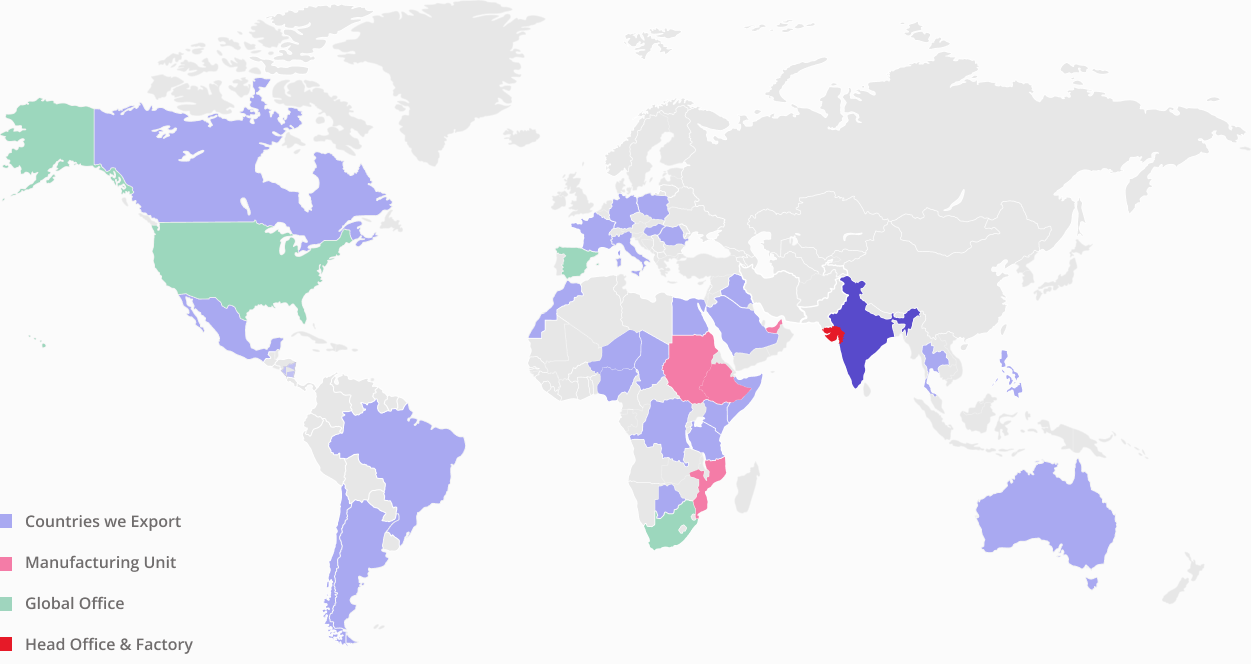
6. Reliable Export Experience Across 50+ Countries
Many Indian FIBC suppliers have established international supply networks and experience serving customers across multiple regions, simplifying documentation, packaging, logistics, and export coordination.
7. Strict Quality Control Throughout Manufacturing
Quality checks can be integrated across fabric weaving, cutting, sewing, printing, lamination, and final inspection, helping minimise defects and maintain batch-to-batch consistency.
8. Sustainable & Recyclable Packaging Solutions
Polypropylene FIBCs are reusable and recyclable when appropriately managed. Manufacturers can also develop lightweight designs that reduce material consumption without compromising required performance.
9. Faster Lead Times & Consistent Supply Chain
Strong domestic raw material availability and established manufacturing ecosystems can support predictable production schedules, replenishment planning, and reliable international shipments.
10. Excellent Customer Support & Technical Expertise
Experienced suppliers provide technical guidance on FIBC design, load requirements, liner selection, safety factors, filling systems, and discharge mechanisms, helping buyers select the right bulk bag for their application.
For businesses comparing global sourcing destinations, these advantages make Indian FIBC manufacturers a strong option for balancing quality, customization, pricing, production capacity, and long-term supply reliability.
Industries That Source FIBC Bags from India
FIBC bags from India are widely used for storing, handling, and transporting dry, powdered, granular, and bulk materials. Their high load capacity, flexible construction, customisation options, and efficient storage make them suitable across numerous industries.
- Agriculture: FIBC bags are used for bulk handling of seeds, grains, pulses, rice, animal feed ingredients, and other agricultural commodities. Their large capacity helps simplify storage and transportation.
- Chemicals: Chemical manufacturers use specialised FIBC bags for transporting powders, granules, and other dry chemical materials. Different bag designs can support specific safety and handling requirements.
- Food Processing: Food-grade FIBCs help businesses transport ingredients such as flour, sugar, starch, cereals, and food additives while maintaining hygienic handling conditions.
- Fertilizers: Durable bulk bags are commonly used for packaging and transporting fertilizers, supporting efficient loading, unloading, warehousing, and distribution.
- Minerals: Mining and mineral-processing companies source heavy-duty FIBC bags for products such as sand, minerals, ores, and industrial powders.
- Construction Materials: FIBCs are suitable for bulk packaging of cement additives, aggregates, construction powders, and other dry building materials.
- Pharmaceuticals: Pharmaceutical manufacturers may use certified and hygienically controlled FIBCs for selected bulk ingredients and materials where strict quality requirements apply.
- Plastic Granules: Polypropylene and other plastic resin producers use FIBC bags to package, store, and transport polymer granules efficiently.
- Animal Feed: Large bulk bags provide a practical solution for handling feed ingredients and finished animal-feed products.
- Recycling Industry: Recyclers use FIBCs for collecting, storing, and transporting recyclable plastics, materials, granules, and processing waste.
How to Choose the Best Indian FIBC Bags Manufacturer for Global Supply?
Selecting the right Indian FIBC bags manufacturer requires more than comparing prices. Start by evaluating the supplier’s manufacturing capacity, product range, quality-control systems, and experience with international buyers.
Check whether the manufacturer can provide required certifications, testing reports, and compliance documentation for your destination market.
Review their expertise in producing custom FIBC bags, including specifications for dimensions, fabric strength, liners, loops, coatings, filling, and discharge systems.
Export experience, production lead times, packaging standards, and shipping capabilities should also be assessed.
Request samples before placing large orders and verify consistency through inspection or third-party testing.
A reliable FIBC supplier should combine competitive pricing with consistent quality, transparent communication, technical support, and dependable long-term supply.
Conclusion:
India offers a compelling sourcing advantage for businesses looking for reliable, cost-effective, and customizable FIBC bags. Strong manufacturing infrastructure, skilled expertise, competitive pricing, quality-control systems, export capabilities, and diverse product options have made Indian FIBC manufacturers increasingly relevant to global buyers. From agriculture and chemicals to food processing, pharmaceuticals, minerals, and construction, Indian suppliers can support varied bulk packaging requirements.
If you are evaluating an experienced partner for your next bulk packaging requirement, SatyendraPackagingLtd. can help you explore suitable FIBC bag solutions based on your product, load capacity, handling method, and shipping requirements. Contact SatyendraPackagingLtd. today to discuss your FIBC bag specifications, customization needs, and bulk order requirements.
For international buyers, choosing the right Indian manufacturer can deliver the right balance of quality, scalability, customization, and supply reliability, making India a strong destination for long-term FIBC sourcing.
Recent Blogs
- Ventilated FIBC Bags: A Bulk Packaging Solution for Heat-Sensitive Products
- BOPP Packaging Film vs CPP vs PET Film: Which Packaging Material Wins?
- PP Woven Bags for Packaging: Types, Uses, Benefits & Manufacturing Process
- Top UV Masterbatch Manufacturer for Agriculture & Industrial Applications
- FIBC Bulk Bags Unloading Guide: Essential Equipment, Safety Checks, and Techniques
- Super Sack Bags Guide: Sizes, Materials, Capacity, and Industrial Uses
- The Ultimate Guide to Tunnel Bags for Cement and Construction Industry
- Non Woven Bags: A Smart Packaging Move That Boosts Sales & Sustainability
- FIBC Jumbo Bags Handling Guide: 8 Expert Tips to Prevent Accidents & Loss
- Woven Polypropylene vs. Paper Bags: Which is Best for Heavy-Duty Industrial Use
- What Is Masterbatch? Types, Advantages, and Role in Plastic Industry
- Ventilated Bulk Bags Explained: Design, Durability, and Real-World Applications
- Pinch Bottom Bags: Why Brands Are Switching to This Smart Packaging?
- FIBC vs. Rigid Containers: Which One Delivers Better ROI for Bulk Transport?
- The Rise of Flexible Packaging: What Manufacturers and Startups Must Know
- What Is PP Multifilament Yarn? Benefits, Uses, and Industry Applications
- Polypropylene (PP): Uses, Benefits, and Applications in Packaging Industry
- Leno Bags: A Stronger Packaging Backbone for India’s Farm Produce Market
- The Ultimate Guide to Choosing the Geotextile Fabric for Your Project
- Top 6 Best Packaging Materials for Bulk Goods: Strong & Sustainable
- What is Flexible Packaging? The Smart Choice for FMCG Export & Supply
- Complete Guide to FIBC Bags – Types, Uses, and Benefits You Should Know
- BOPP Laminated Woven Bags Benefits | Satyendra Packaging
- Innovative BOPP Film | Satyendra Packaging Ltd Manufacturing
- BOPP Pinch Bottom Bags | Reliable Custom Packaging
- BOPP Laminated PP Woven Sacks | Durable Custom Packaging
- Leno Bags for Fresh Produce – Breathable & Durable Packs
- PP Woven Fabric: Meaning, Properties & Applications Guide
- FIBC Jumbo Bags: Uses, Benefits & More | Satyendra Packaging
- Top 5 Benefits of Woven Geotextile Fabrics in Roads
- High-Quality BOPP Film Packaging | Satyendra Packaging India
- Are BOPP Films Safe for Food Packaging? | Satyendra Group
- Are FIBCs Recyclable? A Guide to Sustainable Bulk Bags
- BOPP/PP Block Bottom Bags: Types, Benefits & Industry Uses
- Why PP Multifilament Yarn is Essential for Multiple Industries
- Boost Your Business with BOPP Bags
- Knitted Geotextiles: Game-Changer in Civil Engineering Solutions
- How Flexible Packaging Solutions Help to Grow Business
- FIBC Bags: The Versatile Solution for Bulk Material Handling
- Types of Flexible Packaging and Their Advantages
- Reasons Why PP Leno Mesh Bags Are the Best Choice for Produce Packaging
- Why BOPP Laminated PP Woven Bags Are Right For Your Business?
- Woven Polypropylene Bags: The Complete Guide
- Exploring the Benefits of FIBC Bulk Bags: A Practical Guide