PP Woven Bags for Packaging: Types, Uses, Benefits & Manufacturing Process
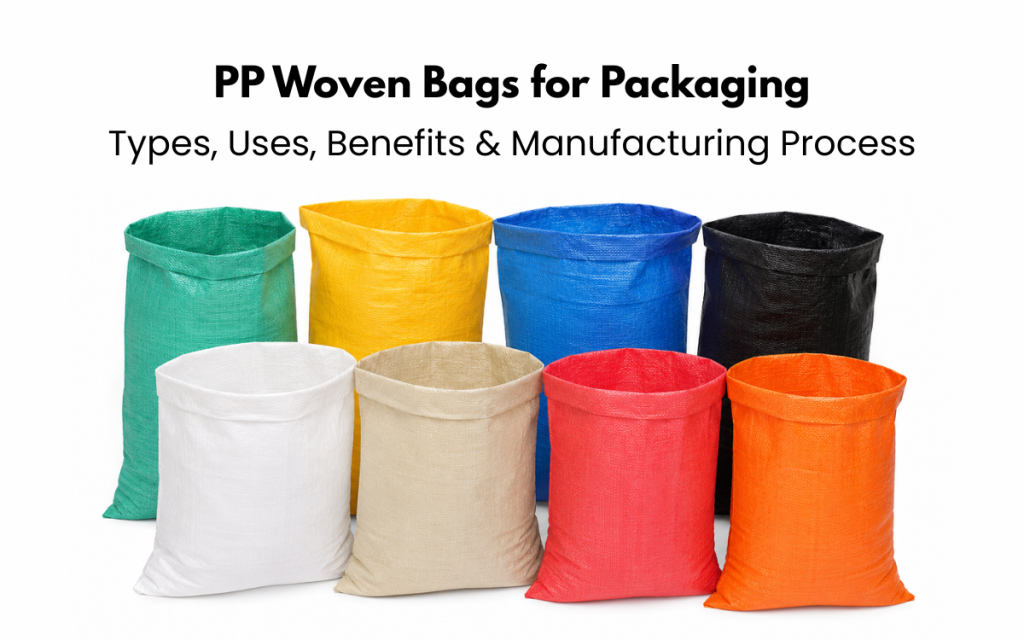
PP woven bags have become the backbone of industrial packaging, serving industries ranging from agriculture and fertilizers to cement, chemicals, food grains, sugar, polymers, and animal feed.
As businesses demand stronger, lighter, and more sustainable packaging, the global PP woven bags market continues to expand, driven by rising industrial production, exports, and the shift toward reusable packaging solutions.
But choosing the right polypropylene woven bag isn't as simple as picking a standard sack. Should you use laminated or unlaminated bags? BOPP laminated or valve bags? How do manufacturers ensure high tensile strength and moisture resistance without increasing costs? If these questions sound familiar, you're in the right place.
In this comprehensive guide, we'll explore the different types of PP woven bags for packaging, their industrial applications, key advantages, material specifications, and the complete manufacturing process.
Whether you're a manufacturer, exporter, distributor, or procurement professional, this guide will help you make informed packaging decisions that improve product protection, logistics efficiency, and overall business profitability.
What are PP Woven Bags?
PP woven bags are high-strength industrial packaging bags manufactured by weaving polypropylene (PP) tapes into a durable fabric. Known for their excellent tensile strength, lightweight structure, moisture resistance, and cost-effectiveness, these bags are widely used for packaging products such as grains, fertilizers, cement, sugar, chemicals, animal feed, and minerals.
They can be customized with lamination, liners, UV stabilization, or BOPP printing, making them suitable for diverse packaging, storage, transportation, and export requirements across multiple industries.
Types of PP Woven Bags that are Being Used by Different Industries
Different industries require different PP woven bags based on product weight, storage conditions, transportation needs, handling methods, and branding requirements. Selecting the right bag improves product protection, reduces packaging losses, and enhances supply chain efficiency. Below are the most widely used types of PP woven bags across industrial and commercial sectors.
a) Standard PP Woven Bags
These are the most basic and economical woven bags, ideal for packaging grains, rice, flour, fertilizers, seeds, and construction materials. They offer excellent strength, durability, and reusability for everyday industrial packaging.
b) Laminated PP Woven Bags
A thin polypropylene coating makes these bags moisture-resistant and improves product protection. They are widely used for sugar, chemicals, animal feed, and food products that require better barrier properties.
c) BOPP Laminated Woven Bags
These bags feature a BOPP printed film laminated onto woven fabric, delivering superior graphics, scratch resistance, and durability. They are popular for premium retail packaging of pet food, flour, rice, and FMCG products.
d) Gusseted PP Woven Bags
Designed with expandable side gussets, these bags provide better stacking stability, higher filling capacity, and maximum utilization of storage and transportation space.
e) Valve PP Woven Bags
Commonly used for cement, dry mortar, gypsum, and powdered chemicals, valve bags enable quick, dust-free, and automated filling operations in high-speed production facilities.
f) Block Bottom PP Woven Bags
With a flat rectangular base, these bags stand upright on shelves and pallets, offering excellent presentation, stability, and efficient stacking for retail and industrial applications.
g) Circular Woven Bags
Manufactured using circular looms, these seamless bags provide high tensile strength and are widely preferred for bulk agricultural and industrial packaging.
h) Perforated PP Woven Bags
Tiny perforations allow proper air circulation, making these bags suitable for packaging onions, potatoes, garlic, and other fresh produce that requires ventilation.
i) UV-Stabilized PP Woven Bags
These bags contain UV additives that protect against prolonged sunlight exposure, making them ideal for outdoor storage of fertilizers, seeds, sand, minerals, and construction materials.
Each type of PP woven bag is engineered to solve specific packaging challenges.
Understanding these variations helps manufacturers, exporters, wholesalers, and distributors select the most suitable packaging solution for improved product safety, reduced logistics costs, enhanced shelf appeal, and longer storage life.
PP Woven Bags Manufacturing Process
The manufacturing of PP woven bags involves a precise sequence of production stages to ensure strength, consistency, and durability. Modern manufacturing plants use automated machinery and strict quality controls to produce bags that meet industry standards.
Step 1 – Polypropylene Granule Feeding
High-quality virgin or recycled polypropylene granules are fed into extrusion machines. UV additives, color masterbatches, or other performance enhancers may also be added based on application requirements.
Step 2 – Extrusion Process
The granules are melted at controlled temperatures and extruded through a flat die to produce thin PP films, which are then slit into narrow tapes.
Step 3 – Tape Stretching and Orientation
The tapes are stretched under controlled heat to improve tensile strength, flexibility, and load-bearing capacity before winding onto bobbins.
Step 4 – Circular Weaving
The stretched tapes are woven on circular looms to create seamless tubular woven fabric with excellent durability and dimensional stability.
Step 5 – Lamination Process
If required, the woven fabric is laminated with a polypropylene coating or BOPP film to enhance moisture resistance, printability, and product protection.
Step 6 – Printing Process
Brand logos, product details, safety instructions, and other graphics are printed using flexographic or rotogravure printing technologies.
Step 7 – Cutting and Stitching
The woven fabric is cut into required dimensions and stitched into finished bags. Features like liners, valves, gussets, or handles are added as needed.
Step 8 – Quality Inspection
Each batch undergoes testing for tensile strength, weight, dimensions, stitching quality, lamination adhesion, and printing accuracy to ensure consistent performance.
Step 9 – Packaging and Dispatch
The finished bags are bundled, compressed, packed, and dispatched for domestic distribution or export after passing all quality checks, ensuring they reach customers ready for immediate industrial use.
Benefits of Using PP Woven Bags for Packaging
PP woven bags have become one of the most preferred industrial packaging solutions because they combine strength, affordability, and versatility. Their ability to protect products while reducing packaging costs makes them suitable for agriculture, food processing, chemicals, construction, and logistics industries.
1. Excellent Strength and Durability
Manufactured from woven polypropylene tapes, these bags offer outstanding tensile strength and resistance to tearing, punctures, and rough handling during transportation.
2. Lightweight Yet Strong
Despite their high load-bearing capacity, PP woven bags are lightweight, helping businesses reduce shipping costs without compromising packaging performance.
3. Cost-Effective Packaging Solution
Compared to many alternative packaging materials, PP woven bags provide long-lasting performance at a competitive price, making them ideal for large-volume packaging operations.
4. Moisture and Weather Resistance
Laminated and BOPP-coated variants offer excellent protection against moisture, dust, and environmental conditions, helping preserve product quality.
5. High Load-Bearing Capacity
These bags are engineered to carry heavy products such as cement, fertilizers, grains, minerals, and chemicals without losing structural integrity.
6. Easy Storage and Transportation
Their flexible construction allows efficient stacking, folding, and palletizing, maximizing warehouse space and simplifying logistics.
7. Reusable and Recyclable
PP woven bags can often be reused multiple times and are recyclable, making them a more sustainable packaging choice than many single-use alternatives.
8. Attractive Printing and Branding Possibilities
BOPP laminated bags support high-quality graphics, vibrant colors, and detailed product information, strengthening shelf appeal and brand recognition.
9. Customizable Sizes and Designs
Manufacturers can customize dimensions, colors, GSM, printing, lamination, liners, gussets, valves, and UV protection to suit specific industry requirements.
10. Long Shelf Life
Their resistance to wear, moisture, UV exposure, and chemicals ensures reliable performance throughout storage, transportation, and extended product shelf life.
By combining durability, customization, sustainability, and cost efficiency, PP woven bags continue to be one of the most reliable packaging solutions for businesses seeking safe product handling, improved logistics, and long-term value across domestic and international markets.
How to Select the Right PP Woven Bag Manufacturer?
Choosing the right PP woven bag manufacturer is crucial for ensuring consistent quality, timely deliveries, and cost-effective packaging. Look for a manufacturer with modern production facilities, ISO-certified quality standards, customization capabilities, and experience serving your industry.
Evaluate factors such as raw material quality, printing expertise, production capacity, export experience, lead times, and after-sales support. Request product samples and certifications before placing bulk orders to ensure the bags meet your strength, durability, and performance requirements.
Conclusion:
PP woven bags have become an indispensable packaging solution for industries that demand durability, cost efficiency, and reliable product protection. From standard woven sacks to advanced BOPP laminated and block bottom bags, each type is designed to meet specific packaging and transportation requirements. Understanding their types, applications, benefits, and manufacturing process enables businesses to select the right packaging solution that improves operational efficiency and reduces overall logistics costs.
If you're looking for high-quality, custom-engineered PP woven bags tailored to your industry, Satyendra Packaging Ltd. offers end-to-end manufacturing solutions with advanced production technology, stringent quality control, and customization options for domestic and international markets. Whether you need agricultural bags, cement bags, food-grade packaging, or industrial woven sacks, their expert team can help you find the ideal solution.
Investing in the right PP woven packaging today not only protects your products but also strengthens your brand reputation, supply chain performance, and long-term business growth.
Recent Blogs
- Ventilated FIBC Bags: A Bulk Packaging Solution for Heat-Sensitive Products
- Top Reasons to Source FIBC Bags from Indian Manufacturers
- BOPP Packaging Film vs CPP vs PET Film: Which Packaging Material Wins?
- Top UV Masterbatch Manufacturer for Agriculture & Industrial Applications
- FIBC Bulk Bags Unloading Guide: Essential Equipment, Safety Checks, and Techniques
- Super Sack Bags Guide: Sizes, Materials, Capacity, and Industrial Uses
- The Ultimate Guide to Tunnel Bags for Cement and Construction Industry
- Non Woven Bags: A Smart Packaging Move That Boosts Sales & Sustainability
- FIBC Jumbo Bags Handling Guide: 8 Expert Tips to Prevent Accidents & Loss
- Woven Polypropylene vs. Paper Bags: Which is Best for Heavy-Duty Industrial Use
- What Is Masterbatch? Types, Advantages, and Role in Plastic Industry
- Ventilated Bulk Bags Explained: Design, Durability, and Real-World Applications
- Pinch Bottom Bags: Why Brands Are Switching to This Smart Packaging?
- FIBC vs. Rigid Containers: Which One Delivers Better ROI for Bulk Transport?
- The Rise of Flexible Packaging: What Manufacturers and Startups Must Know
- What Is PP Multifilament Yarn? Benefits, Uses, and Industry Applications
- Polypropylene (PP): Uses, Benefits, and Applications in Packaging Industry
- Leno Bags: A Stronger Packaging Backbone for India’s Farm Produce Market
- The Ultimate Guide to Choosing the Geotextile Fabric for Your Project
- Top 6 Best Packaging Materials for Bulk Goods: Strong & Sustainable
- What is Flexible Packaging? The Smart Choice for FMCG Export & Supply
- Complete Guide to FIBC Bags – Types, Uses, and Benefits You Should Know
- BOPP Laminated Woven Bags Benefits | Satyendra Packaging
- Innovative BOPP Film | Satyendra Packaging Ltd Manufacturing
- BOPP Pinch Bottom Bags | Reliable Custom Packaging
- BOPP Laminated PP Woven Sacks | Durable Custom Packaging
- Leno Bags for Fresh Produce – Breathable & Durable Packs
- PP Woven Fabric: Meaning, Properties & Applications Guide
- FIBC Jumbo Bags: Uses, Benefits & More | Satyendra Packaging
- Top 5 Benefits of Woven Geotextile Fabrics in Roads
- High-Quality BOPP Film Packaging | Satyendra Packaging India
- Are BOPP Films Safe for Food Packaging? | Satyendra Group
- Are FIBCs Recyclable? A Guide to Sustainable Bulk Bags
- BOPP/PP Block Bottom Bags: Types, Benefits & Industry Uses
- Why PP Multifilament Yarn is Essential for Multiple Industries
- Boost Your Business with BOPP Bags
- Knitted Geotextiles: Game-Changer in Civil Engineering Solutions
- How Flexible Packaging Solutions Help to Grow Business
- FIBC Bags: The Versatile Solution for Bulk Material Handling
- Types of Flexible Packaging and Their Advantages
- Reasons Why PP Leno Mesh Bags Are the Best Choice for Produce Packaging
- Why BOPP Laminated PP Woven Bags Are Right For Your Business?
- Woven Polypropylene Bags: The Complete Guide
- Exploring the Benefits of FIBC Bulk Bags: A Practical Guide