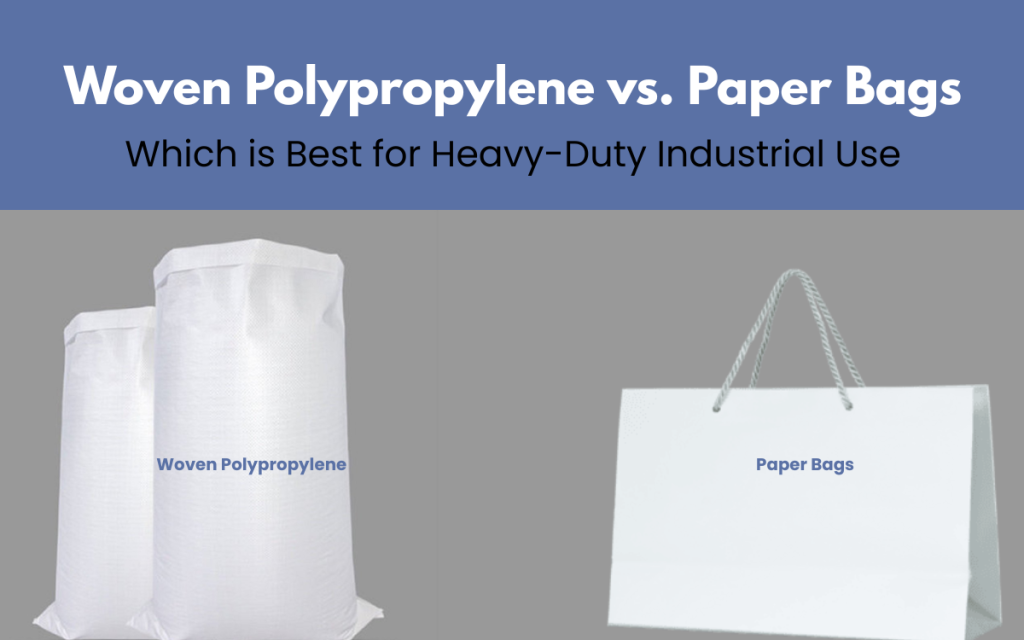
Woven Polypropylene vs. Paper Bags: Which is Best for Heavy-Duty Industrial Use
In today’s industrial packaging landscape, the choice between woven polypropylene (PP) bags and paper bags is no longer just about cost—it’s about performance, durability, and long-term efficiency.
Manufacturers across sectors like cement, agriculture, chemicals, and food processing are increasingly shifting toward packaging solutions that can handle high load capacities without compromising safety.
Woven polypropylene bags are widely preferred for their toughness, moisture resistance, and reusability, while paper bags are gaining attention for their eco-friendly image and recyclability.
Yet, the real question goes beyond surface-level benefits. Can paper bags truly match the rugged performance required in industrial environments, or do PP bags still lead where strength matters most?
Understanding these differences is crucial for making a smart, future-ready packaging decision that balances performance, environmental responsibility, and operational efficiency.
What Are Woven Polypropylene Bags?
Woven polypropylene (PP) bags are durable packaging solutions made by weaving polypropylene plastic strips into a strong, fabric-like material. This woven structure gives the bags high strength, flexibility, and resistance to tearing, making them suitable for heavy-duty industrial applications.
Commonly used across industries like agriculture, cement, chemicals, and food grains, woven PP bags are designed to handle rough handling, stacking, and transportation without losing integrity. They also offer good resistance to moisture, which helps protect products during storage and transit.
Available in laminated and unlaminated forms, these bags can be customized with printing, liners, and coatings based on specific product requirements, making them a practical and cost-effective choice for bulk packaging needs.
What Are Industrial Paper Bags?
Industrial paper bags are heavy-duty packaging solutions made from multiple layers of kraft paper, designed to carry and protect bulk materials. These bags are widely used in industries such as cement, chemicals, food ingredients, and fertilizers where structured, stackable packaging is required.
They are typically manufactured with multi-wall construction, which enhances strength and provides better resistance to external pressure during handling and transport. Many industrial paper bags also include inner liners or coatings to improve moisture resistance and product safety.
Known for their eco-friendly and recyclable nature, paper bags are often preferred by brands aiming to align packaging with sustainability goals while maintaining functional performance.
Points of Difference Between Woven Polypropylene vs. Paper Bags
When comparing woven polypropylene (WPP) bags and paper bags for industrial use, the differences go far beyond appearance. Each material serves specific needs depending on strength, environment, and cost considerations.
1. Strength and Load-Bearing Capacity Comparison
- Woven Polypropylene Bags
WPP bags are engineered for high strength due to their woven structure. The interlaced plastic fibers create a tough, flexible surface that resists tearing under pressure. This makes them highly reliable for industries handling bulk materials where consistent load performance is critical during transportation and stacking.
- Paper Bags
Paper bags, especially multi-wall variants, offer decent strength for structured loads. However, they are more prone to tearing under sharp edges or sudden stress. While suitable for controlled environments, they may not match the rugged handling capabilities of WPP bags in demanding industrial conditions.
2. Durability and Longevity Comparison
- Resistance to Environmental Conditions
WPP bags perform well in challenging environments. They can withstand rough handling, friction, and varying temperatures without significant damage. In contrast, paper bags are more sensitive to external factors like humidity and physical impact, which can weaken their structure over time.
- Reusability Factor
Woven polypropylene bags can often be reused multiple times without losing their strength, making them a practical option for industries focusing on long-term usage. Paper bags, on the other hand, are generally designed for single or limited use, as repeated handling reduces their durability.
3. Moisture & Weather Resistance Comparison
- WPP Bags
WPP bags offer strong resistance to moisture and external weather conditions. Laminated versions, in particular, provide an added protective barrier, making them suitable for storing and transporting products in humid or unpredictable climates.
- Paper Bags
Paper bags are naturally more vulnerable to moisture. Even with coatings or liners, prolonged exposure to humidity or water can compromise their integrity. This limitation makes them less ideal for environments where moisture control is a concern.
4. Cost-Effectiveness Comparison
- WPP Bags
WPP bags are often considered cost-effective in the long run due to their durability and reusability. Their ability to reduce product loss and withstand multiple handling cycles adds value beyond the initial investment.
- Paper Bags
Paper bags may have a competitive upfront cost and appeal to brands focused on sustainability. However, their shorter lifespan and limited reuse can increase overall costs in high-demand industrial operations.
In real-world industrial scenarios, the choice ultimately depends on application needs, handling conditions, and supply chain priorities. Businesses must balance durability, environmental impact, and cost efficiency to select packaging that supports both operational performance and long-term growth.
Which One Should You Choose for Heavy-Duty Industrial Use?
Choosing between woven polypropylene (WPP) bags and paper bags for heavy-duty industrial use depends largely on your operational priorities and product requirements. If your business involves bulk handling, long-distance transportation, or exposure to rough conditions, WPP bags are often the more reliable choice due to their strength, flexibility, and resistance to wear and tear.
On the other hand, if your focus is on eco-friendly packaging and your products are handled in controlled environments with minimal exposure to moisture or damage risks, industrial paper bags can be a suitable option. They align well with sustainability goals and brand perception.
For most heavy-duty applications, performance tends to outweigh other factors. Evaluating storage conditions, handling processes, and long-term costs will help you make a practical, future-ready decision that ensures product safety and operational efficiency.-
Conclusion:
Selecting between woven polypropylene bags and paper bags ultimately comes down to how demanding your industrial operations are. While both have their place, heavy-duty applications often require packaging that delivers consistent strength, durability, and protection across every stage of handling and transport. That’s where woven polypropylene bags tend to stand out.
However, businesses balancing sustainability with performance may still find value in industrial paper bags for specific, controlled use cases. The key is to align your packaging choice with real operational challenges rather than just surface-level benefits.
If you’re looking for reliable, industry-grade packaging solutions, Satyendra Packaging Ltd. (SPL) offers expertly designed woven polypropylene bags tailored for diverse industrial needs. Connect with their team to explore options that enhance efficiency, reduce losses, and support long-term business growth with confidence.
Recent Blogs
- Ventilated FIBC Bags: A Bulk Packaging Solution for Heat-Sensitive Products
- Top Reasons to Source FIBC Bags from Indian Manufacturers
- BOPP Packaging Film vs CPP vs PET Film: Which Packaging Material Wins?
- PP Woven Bags for Packaging: Types, Uses, Benefits & Manufacturing Process
- Top UV Masterbatch Manufacturer for Agriculture & Industrial Applications
- FIBC Bulk Bags Unloading Guide: Essential Equipment, Safety Checks, and Techniques
- Super Sack Bags Guide: Sizes, Materials, Capacity, and Industrial Uses
- The Ultimate Guide to Tunnel Bags for Cement and Construction Industry
- Non Woven Bags: A Smart Packaging Move That Boosts Sales & Sustainability
- FIBC Jumbo Bags Handling Guide: 8 Expert Tips to Prevent Accidents & Loss
- What Is Masterbatch? Types, Advantages, and Role in Plastic Industry
- Ventilated Bulk Bags Explained: Design, Durability, and Real-World Applications
- Pinch Bottom Bags: Why Brands Are Switching to This Smart Packaging?
- FIBC vs. Rigid Containers: Which One Delivers Better ROI for Bulk Transport?
- The Rise of Flexible Packaging: What Manufacturers and Startups Must Know
- What Is PP Multifilament Yarn? Benefits, Uses, and Industry Applications
- Polypropylene (PP): Uses, Benefits, and Applications in Packaging Industry
- Leno Bags: A Stronger Packaging Backbone for India’s Farm Produce Market
- The Ultimate Guide to Choosing the Geotextile Fabric for Your Project
- Top 6 Best Packaging Materials for Bulk Goods: Strong & Sustainable
- What is Flexible Packaging? The Smart Choice for FMCG Export & Supply
- Complete Guide to FIBC Bags – Types, Uses, and Benefits You Should Know
- BOPP Laminated Woven Bags Benefits | Satyendra Packaging
- Innovative BOPP Film | Satyendra Packaging Ltd Manufacturing
- BOPP Pinch Bottom Bags | Reliable Custom Packaging
- BOPP Laminated PP Woven Sacks | Durable Custom Packaging
- Leno Bags for Fresh Produce – Breathable & Durable Packs
- PP Woven Fabric: Meaning, Properties & Applications Guide
- FIBC Jumbo Bags: Uses, Benefits & More | Satyendra Packaging
- Top 5 Benefits of Woven Geotextile Fabrics in Roads
- High-Quality BOPP Film Packaging | Satyendra Packaging India
- Are BOPP Films Safe for Food Packaging? | Satyendra Group
- Are FIBCs Recyclable? A Guide to Sustainable Bulk Bags
- BOPP/PP Block Bottom Bags: Types, Benefits & Industry Uses
- Why PP Multifilament Yarn is Essential for Multiple Industries
- Boost Your Business with BOPP Bags
- Knitted Geotextiles: Game-Changer in Civil Engineering Solutions
- How Flexible Packaging Solutions Help to Grow Business
- FIBC Bags: The Versatile Solution for Bulk Material Handling
- Types of Flexible Packaging and Their Advantages
- Reasons Why PP Leno Mesh Bags Are the Best Choice for Produce Packaging
- Why BOPP Laminated PP Woven Bags Are Right For Your Business?
- Woven Polypropylene Bags: The Complete Guide
- Exploring the Benefits of FIBC Bulk Bags: A Practical Guide