PP Woven Bags for Cement, Fertilizer & Agriculture: A Complete Industry Guide
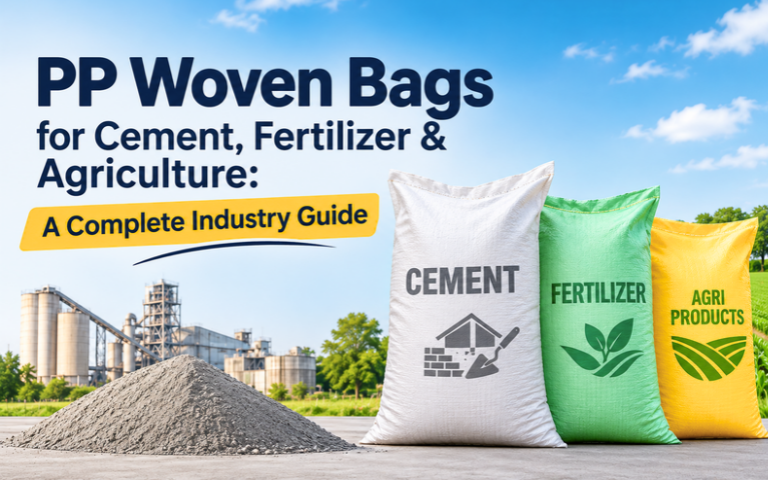
PP woven bags are a preferred packaging solution for industries handling bulk materials, including cement, fertilizers, grains, seeds and agricultural products. Manufactured from polypropylene (PP) woven fabric, these bags offer high tensile strength, tear resistance, moisture protection and cost-effective transportation. India's growing infrastructure development, agricultural output and fertilizer consumption continue to drive demand for durable industrial packaging.
According to industry trends, the shift towards lightweight, recyclable and high-performance packaging is encouraging manufacturers to improve PP woven bag quality, printing and load-bearing capacity. Cement companies commonly use 50 kg PP woven bags, while fertilizer manufacturers require packaging that protects products from moisture, leakage and contamination.
Agriculture businesses increasingly prefer UV-stabilised woven sacks for storing and transporting seeds, grains and animal feed. This guide explains PP woven bags for cement, fertilizer and agriculture, covering material specifications, manufacturing processes, bag types, applications, advantages and selection criteria to help manufacturers, distributors and bulk buyers make informed packaging decisions.
What Are PP Woven Bags?
PP woven bags are packaging sacks manufactured from polypropylene (PP) plastic tapes woven together to create a strong, lightweight and durable fabric. These bags are widely used for packaging, storing and transporting bulk materials such as cement, fertilizers, grains, sugar, animal feed and industrial products.
Their woven construction provides excellent tensile strength, tear resistance and load-bearing capacity. PP woven bags can also be laminated, UV-treated or customised with printed branding to improve moisture resistance, outdoor durability and product identification, making them a cost-effective packaging solution for multiple industries.
Why Are PP Woven Bags Used Across Multiple Industries?
PP woven bags have become a reliable packaging choice for industries that require strength, affordability and efficient bulk transportation. Their versatility makes them suitable for handling everything from construction materials to agricultural produce.
a) Strength for Heavy-Duty Packaging
Polypropylene woven fabric offers excellent tensile strength and resistance to tearing, making these bags suitable for heavy materials such as cement, fertilizers, minerals and grains.
b) Cost-Effective Bulk Packaging
PP woven bags are lightweight, economical to manufacture and available in bulk quantities, helping businesses reduce packaging and transportation expenses.
c) Customization for Different Products
Manufacturers can customise bag sizes, GSM, lamination, printing, liners and stitching according to specific product requirements.
d) Improved Storage and Transportation Efficiency
Their stackable design, consistent dimensions and lightweight construction simplify warehouse handling, palletisation and logistics operations.
e) Moisture and Contamination Protection
Laminated PP woven bags and liner-equipped variants help protect products against moisture, dust, leakage and external contamination.
These advantages make PP woven bags a practical packaging solution for cement manufacturers, fertilizer companies, agricultural businesses and industrial suppliers seeking dependable performance and cost efficiency.
PP Woven Bags for the Cement Industry
PP woven bags are widely used in the cement industry because they offer the strength, durability and handling efficiency required for heavy-duty packaging. Cement manufacturers typically use 50 kg polypropylene woven bags for packing OPC, PPC and PSC cement, although smaller retail packs are also available.
These bags can be laminated or fitted with liners to reduce moisture exposure, improve dust control and maintain product quality during storage and transportation. Their lightweight construction also helps optimise bulk logistics and warehouse operations.
How to Choose PP Woven Bags for Cement Packaging
Selecting the right PP woven bag requires evaluating packaging specifications, filling requirements and supply chain conditions.
- Confirm the required net filling weight: Choose the appropriate bag dimensions, GSM and construction to safely accommodate 25 kg, 50 kg or other cement quantities.
- Evaluate fabric strength and drop-test performance: Ensure the woven fabric can withstand repeated handling, lifting, stacking and accidental drops without tearing.
- Check seam integrity and dimensional consistency: Strong stitching, uniform bag sizes and reliable sealing help minimise cement leakage and packaging failures.
- Select a suitable valve or open-mouth design: Valve bags support automated filling, while open-mouth bags offer flexibility for different packing systems.
- Consider storage conditions and transportation distance: Laminated or liner-equipped bags may be preferable for humid environments, extended storage and long-distance shipping.
- Verify compatibility with automatic packing machinery: Correct bag dimensions, opening design and filling characteristics improve machine efficiency and reduce operational interruptions.
The right cement packaging bag helps manufacturers minimise material loss, maintain packing efficiency and improve product handling throughout the distribution chain.
PP Woven Bags for the Fertilizer Industry
PP woven bags are extensively used in the fertilizer industry for packaging urea, NPK, DAP, potash and other agricultural nutrients. Their woven polypropylene construction provides the strength required to handle heavy fertilizer loads, stacking pressure and long-distance transportation. Fertilizer packaging often requires additional protection against moisture absorption, leakage and contamination, particularly when products are stored in warehouses or transported through humid conditions.
Laminated PP woven bags, liner-equipped sacks and printed packaging help manufacturers maintain product quality, improve handling efficiency and communicate essential product information. These bags are available in different capacities, GSM specifications and dimensions to accommodate fertilizer manufacturers' filling systems and distribution requirements.
How to Choose Bags for Grains, Seeds, and Produce
Selecting PP woven bags for agricultural products requires balancing durability, product protection and storage requirements.
- Identify the product's weight and physical characteristics: Determine whether the bag will contain wheat, rice, maize, pulses, seeds or other agricultural produce.
- Consider moisture sensitivity and ventilation needs: Choose laminated bags for moisture-sensitive products or breathable woven sacks where ventilation is necessary.
- Evaluate puncture and abrasion resistance: Strong fabric construction helps prevent damage during handling, stacking and transportation.
- Select appropriate bag dimensions: Ensure the size supports efficient filling, storage, palletisation and distribution.
- Assess warehouse conditions and transportation requirements: Consider humidity, temperature fluctuations, stacking height and shipping distance.
- Follow applicable food-contact and agricultural packaging regulations: Ensure packaging materials meet relevant safety and compliance requirements.
The right PP woven packaging helps agricultural businesses reduce product losses, maintain quality and improve supply chain efficiency from manufacturing to final delivery.
PP Woven Bags for the Agriculture Industry
PP woven bags play an important role in agricultural packaging by providing a durable, economical and practical solution for storing and transporting farm produce. These bags are commonly used for packaging wheat, rice, maize, pulses, potatoes, onions, seeds, animal feed and other agricultural commodities.
Their woven polypropylene construction offers good load-bearing strength, resistance to tearing and flexibility for bulk handling. Depending on the product requirements, agricultural PP woven bags can be manufactured with different GSM specifications, sizes, ventilation options, UV stabilisation and laminated finishes.
Breathable woven sacks support airflow for certain agricultural products, while laminated bags help protect moisture-sensitive commodities during storage and transportation. Printed PP woven bags also allow agricultural businesses, grain traders and distributors to display product information, branding and handling instructions.
How to Choose PP Woven Bags for Agricultural Products
Selecting suitable agricultural packaging depends on the product type, storage environment and transportation requirements.
- Identify the product's weight and physical characteristics: Determine the packaging requirements for grains, seeds, vegetables, animal feed or other agricultural materials.
- Consider moisture sensitivity and ventilation needs: Select breathable bags for products requiring airflow and laminated options for moisture-sensitive contents.
- Evaluate puncture and abrasion resistance: Ensure the fabric can withstand rough handling, loading, unloading and repeated transportation.
- Select appropriate bag dimensions: Choose sizes that support efficient filling, stacking, storage and distribution.
- Assess warehouse conditions and transportation requirements: Consider humidity, exposure to sunlight, stacking pressure and transportation distance.
- Follow applicable food-contact and agricultural packaging regulations: Ensure packaging materials comply with relevant product safety and industry requirements.
Well-designed PP woven bags help agricultural businesses minimise packaging damage, maintain product quality and improve storage and distribution efficiency across the supply chain.
Conclusion:
PP woven bags have become an essential packaging solution for cement manufacturers, fertilizer companies and agricultural businesses seeking strength, durability and cost-effective bulk packaging. Their versatility, customisation options, moisture protection and efficient handling make them suitable for diverse industrial and agricultural applications. Selecting the right bag requires evaluating load capacity, fabric GSM, lamination, ventilation, dimensions and transportation conditions to ensure reliable performance.
For businesses looking for dependable industrial packaging, SatyendraPackagingLtd. offers packaging expertise and manufacturing solutions designed to meet diverse bulk packaging requirements. From heavy-duty cement sacks to fertilizer packaging and agricultural woven bags, selecting the right packaging partner can improve product protection, operational efficiency and supply chain reliability.
As industries increasingly prioritise durable, lightweight and efficient packaging, PP woven bags continue to offer a practical solution for bulk material handling, storage and transportation across India and international markets.
Recent Blogs
- PP Woven Bags for Cement, Fertilizer & Agriculture: A Complete Industry Guide
- BOPP vs PP Woven Bags: A Complete Guide for Manufacturers and Buyers
- Top Packaging Manufacturers That Export to USA Importers and Brands
- Ventilated FIBC Bags: A Bulk Packaging Solution for Heat-Sensitive Products
- Top Reasons to Source FIBC Bags from Indian Manufacturers
- BOPP Packaging Film vs CPP vs PET Film: Which Packaging Material Wins?
- PP Woven Bags for Packaging: Types, Uses, Benefits & Manufacturing Process
- Top UV Masterbatch Manufacturer for Agriculture & Industrial Applications
- The Ultimate Guide to Tunnel Bags for Cement and Construction Industry
- Pinch Bottom Bags: Why Brands Are Switching to This Smart Packaging?
- FIBC vs. Rigid Containers: Which One Delivers Better ROI for Bulk Transport?
- Polypropylene (PP): Uses, Benefits, and Applications in Packaging Industry
- BOPP Laminated Woven Bags Benefits | Satyendra Packaging
- PP Woven Fabric: Meaning, Properties & Applications Guide
- Are FIBCs Recyclable? A Guide to Sustainable Bulk Bags
- Knitted Geotextiles: Game-Changer in Civil Engineering Solutions
- How Flexible Packaging Solutions Help to Grow Business
- FIBC Bags: The Versatile Solution for Bulk Material Handling
- Why BOPP Laminated PP Woven Bags Are Right For Your Business?
- Flexible Packaging Film: Types, Materials, Uses & Benefits Explained
- FIBC Bulk Bags Unloading Guide: Essential Equipment, Safety Checks, and Techniques
- Super Sack Bags Guide: Sizes, Materials, Capacity, and Industrial Uses
- Non Woven Bags: A Smart Packaging Move That Boosts Sales & Sustainability
- FIBC Jumbo Bags Handling Guide: 8 Expert Tips to Prevent Accidents & Loss
- Woven Polypropylene vs. Paper Bags: Which is Best for Heavy-Duty Industrial Use
- What Is Masterbatch? Types, Advantages, and Role in Plastic Industry
- Ventilated Bulk Bags Explained: Design, Durability, and Real-World Applications
- The Rise of Flexible Packaging: What Manufacturers and Startups Must Know
- What Is PP Multifilament Yarn? Benefits, Uses, and Industry Applications
- Leno Bags: A Stronger Packaging Backbone for India’s Farm Produce Market
- The Ultimate Guide to Choosing the Geotextile Fabric for Your Project
- Top 6 Best Packaging Materials for Bulk Goods: Strong & Sustainable
- What is Flexible Packaging? The Smart Choice for FMCG Export & Supply
- Leno Bags for Fresh Produce – Breathable & Durable Packs
- Complete Guide to FIBC Bags – Types, Uses, and Benefits You Should Know
- Innovative BOPP Film | Satyendra Packaging Ltd Manufacturing
- BOPP Laminated PP Woven Sacks | Durable Custom Packaging
- BOPP Pinch Bottom Bags | Reliable Custom Packaging
- FIBC Jumbo Bags: Uses, Benefits & More | Satyendra Packaging
- Top 5 Benefits of Woven Geotextile Fabrics in Roads
- High-Quality BOPP Film Packaging | Satyendra Packaging India
- Are BOPP Films Safe for Food Packaging? | Satyendra Group
- BOPP/PP Block Bottom Bags: Types, Benefits & Industry Uses
- Why PP Multifilament Yarn is Essential for Multiple Industries
- Boost Your Business with BOPP Bags
- Types of Flexible Packaging and Their Advantages
- Reasons Why PP Leno Mesh Bags Are the Best Choice for Produce Packaging
- Exploring the Benefits of FIBC Bulk Bags: A Practical Guide
- Woven Polypropylene Bags: The Complete Guide