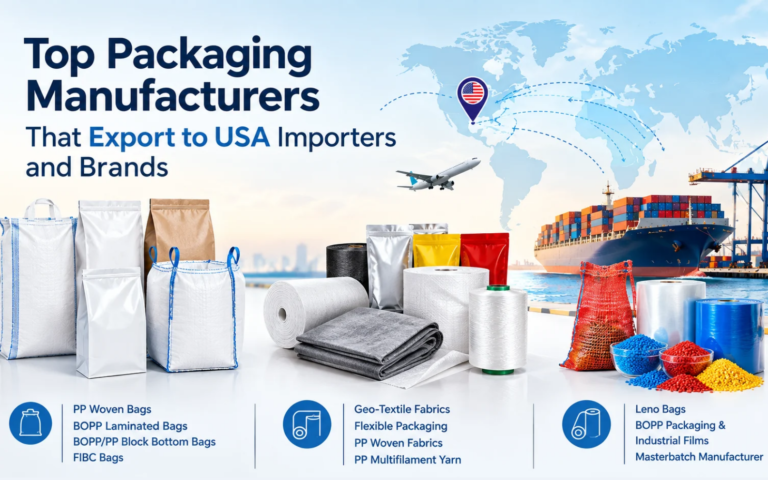
Top Packaging Manufacturers That Export to USA Importers and Brands

The US remains one of the world’s largest packaging markets, driven by strong demand from food, beverage, cosmetics, pharmaceuticals, e-commerce, and consumer goods brands. For US importers, choosing the right packaging manufacturer is about more than price. Product quality, material consistency, production capacity, certifications, lead times, export compliance, and sustainable packaging capabilities all influence supplier selection. Global packaging trends are also changing purchasing decisions. Lightweight materials, recyclable structures, flexible packaging, high-quality printing, and customized formats are gaining attention as brands work to reduce material usage while improving shelf appeal. India, China, Vietnam, Turkey, and other manufacturing hubs have become important sourcing destinations for packaging products exported to the US. Manufacturers supplying American brands increasingly offer OEM production, custom packaging, private-label solutions, and international logistics support. This guide covers the top packaging manufacturers that export to USA importers and brands, along with their capabilities, product categories, export strengths, and the types of businesses they serve.

Why U.S. Importers and Brands Source Packaging From Overseas Manufacturers?

U.S. importers and brands source packaging from overseas manufacturers for several practical reasons. International suppliers can offer competitive production costs, large manufacturing capacities, specialized materials, and customized packaging formats. Countries such as India, China, Vietnam, and Turkey have developed strong packaging industries serving global markets. Overseas manufacturers also provide advanced printing, flexible packaging, rigid packaging, sustainable materials, and private-label production capabilities. For growing brands, international sourcing can support larger production runs while maintaining cost efficiency. However, buyers typically evaluate quality standards, certifications, lead times, minimum order quantities, export experience, compliance requirements, and logistics before selecting an overseas packaging partner.

What Makes a Packaging Manufacturer Suitable for the U.S. Market?

For U.S. importers and brands, selecting a packaging manufacturer requires more than comparing prices. Several operational and technical factors determine whether a supplier can support long-term international requirements.

a) Proven Export Experience

Manufacturers with established export records understand documentation, shipping procedures, timelines, and international buyer expectations.

b) Consistent Quality Control

Reliable suppliers maintain standardized production processes, inspections, testing, and batch-to-batch consistency to minimize quality variations.

c) Material and Product Expertise

Strong technical knowledge across flexible, rigid, paper, plastic, and sustainable packaging helps manufacturers recommend suitable materials for different applications.

d) Customization Capabilities

Custom sizes, structures, finishes, printing, barrier properties, and packaging formats allow brands to develop products aligned with their requirements.

e) Certifications and Compliance

Relevant certifications, testing procedures, traceability, and regulatory compliance demonstrate manufacturing reliability and support smoother U.S. imports. Together, these factors help importers build dependable and scalable packaging supply chains.

Top Packaging Manufacturers That Export to USA Importers and Brands

When U.S. importers compare overseas packaging suppliers, manufacturing capability, product range, export experience, and customization options are important factors. SatyendraPackagingLtd. (SPL) is one Indian manufacturer serving international packaging requirements.

1. SatyendraPackagingLtd. (SPL)

SatyendraPackagingLtd. specializes in FIBC bulk bags, PP woven bags, BOPP laminated bags, and industrial packaging solutions. These products are used across agriculture, chemicals, food ingredients, construction materials, minerals, and other bulk-handling industries. The company provides customized packaging based on dimensions, filling and discharge requirements, material specifications, printing, and load capacity. Its manufacturing focus makes SPL relevant for U.S. importers, distributors, and brands sourcing industrial packaging from India. For buyers evaluating packaging manufacturers for the U.S. market, SPL represents an option for businesses requiring scalable, customized woven and bulk packaging solutions.

Types of Packaging U.S. Importers Can Source From Indian Manufacturers

Indian packaging manufacturers serve a wide range of international industries, offering everything from flexible films to heavy-duty bulk packaging. For U.S. importers, the right product depends on the application, material requirements, order volume, and compliance needs.

a) Flexible Packaging

Flexible packaging includes pouches, laminated films, rolls, sachets, wrappers, and other lightweight formats. Indian manufacturers can produce customized structures using materials such as PE, PET, BOPP, and multilayer laminates. These solutions are widely used for food, beverages, personal care, household products, and consumer goods.

b) Bulk FIBC Bags

FIBC bags, also known as bulk bags or jumbo bags, are designed for transporting and storing large quantities of powders, granules, and other bulk materials. U.S. importers can source customized FIBCs based on capacity, construction, filling and discharge systems, lifting loops, fabric specifications, and printing requirements.

c) Rigid Packaging

Rigid packaging includes containers, jars, bottles, tubs, drums, and other durable formats. Depending on the manufacturer, buyers can source packaging made from plastic, metal, glass, or other rigid materials. These products are commonly required for cosmetics, pharmaceuticals, food products, chemicals, and industrial applications.

d) BOPP Bags

BOPP laminated bags combine woven polypropylene construction with high-quality printed BOPP film. They are commonly used for products such as rice, flour, animal feed, fertilizers, seeds, chemicals, and construction materials. Their printable outer surface also provides strong branding opportunities for international buyers.

Industries That Source Packaging From Indian Manufacturers

Indian packaging suppliers serve multiple industries because they can offer both standardized and customized formats.
  • Food and Beverage

Food manufacturers source pouches, laminated films, bags, labels, and bulk packaging for grains, snacks, spices, beverages, ingredients, and processed foods.
  • Cosmetics and Personal Care

Beauty brands require packaging that combines visual appeal with product protection. Pouches, bottles, jars, flexible films, and customized printed packaging are commonly sourced for skincare, haircare, cosmetics, and personal-care products.
  • Pharmaceutical and Healthcare

Pharmaceutical and healthcare companies require packaging with precise specifications, consistent quality, traceability, and suitable material properties. Packaging may include containers, films, bags, pouches, and specialized formats.
  • FMCG

Fast-moving consumer goods brands source packaging in high volumes for products ranging from household cleaners and personal-care products to food and everyday consumer items.
  • E-commerce and D2C Brands

Online-first brands often need lightweight, protective, customizable packaging that supports efficient shipping while maintaining brand presentation.
  • Industrial Products

Industrial buyers source FIBC bags, woven sacks, BOPP bags, liners, and heavy-duty packaging for chemicals, minerals, agriculture, construction materials, and other bulk products.

Red Flags to Watch for When Selecting an Overseas Packaging Manufacturer

International sourcing can create significant opportunities, but buyers should verify suppliers carefully before placing large orders.
  • No verifiable manufacturing facility: A supplier should be able to provide credible information about its production location and capabilities.
  • No samples: Refusal to provide samples makes it difficult to evaluate construction, printing, materials, and workmanship.
  • Unclear material specifications: Suppliers should clearly identify material grades, thickness, GSM, layers, dimensions, and other relevant technical details.
  • Unusually low pricing: A price significantly below comparable quotations may indicate differences in material quality, specifications, or production standards.
  • Poor communication: Slow, vague, or inconsistent responses can create problems during production and shipping.
  • No quality documentation: Buyers should request relevant inspection reports, test reports, specifications, and quality records where applicable.
  • No export references: A manufacturer with international experience should be able to demonstrate relevant export capability.
  • Inconsistent sample quality: Differences between samples or production batches can indicate weak process control.
  • Unclear lead times: Confirm production timelines, shipping schedules, and expected delivery windows before ordering.
  • Refusal to provide technical information: Reliable manufacturers should be able to explain materials, construction, tolerances, and production processes.
  • Unsupported certification claims: Verify certifications directly rather than relying only on logos or statements provided by the supplier.
  • No clear process for handling quality problems: Agree in advance on inspection, complaint handling, replacement, corrective action, and responsibility for defective goods.

How to Choose the Right Packaging Manufacturer for Your U.S. Brand?

Start by defining your packaging requirements, including product type, dimensions, materials, printing, performance specifications, expected volumes, and target delivery schedule. Shortlist manufacturers with relevant product expertise and proven international experience. Request samples and technical documentation before moving to commercial quantities. Compare quotations on a like-for-like basis because the lowest price may not represent the same material or construction standard. Finally, evaluate communication, production capacity, quality-control procedures, export experience, certifications, lead times, and after-sales support. A suitable packaging manufacturer should be able to provide transparent specifications and consistent production while supporting your brand’s long-term requirements. For U.S. importers, careful supplier evaluation can turn overseas packaging sourcing into a reliable and scalable part of the supply chain.

Conclusion:

Finding the right packaging manufacturer for U.S. importers and brands involves more than comparing product prices. Manufacturing capabilities, material expertise, customization, quality control, export experience, certifications, and reliable communication all influence the success of an international packaging partnership. Indian manufacturers have become an important sourcing option for businesses seeking flexible packaging, FIBC bulk bags, BOPP bags, rigid packaging, and customized industrial solutions. However, buyers should verify samples, technical specifications, production facilities, documentation, lead times, and export references before placing large orders. For U.S. brands, the right supplier should be capable of meeting current packaging requirements while supporting future production volumes and product development. A transparent packaging manufacturer with consistent quality processes and clear communication can help reduce sourcing risks and create a more dependable supply chain. Ultimately, careful supplier evaluation helps importers build long-term packaging partnerships while balancing quality, customization, cost, and delivery requirements.

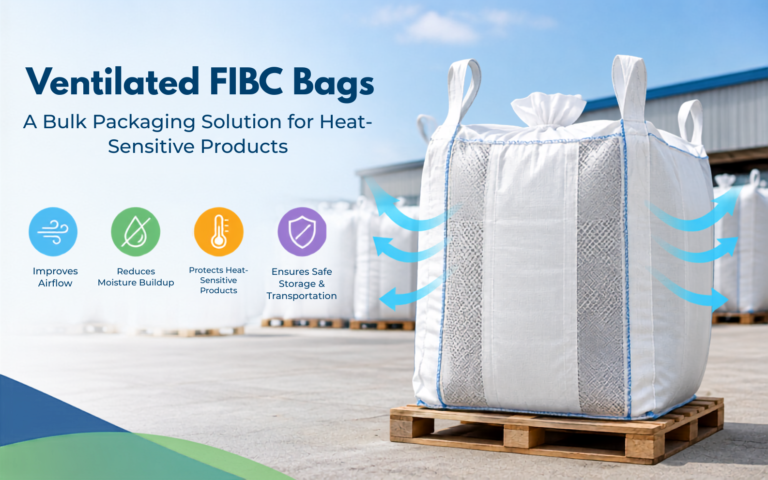
Ventilated FIBC Bags: A Bulk Packaging Solution for Heat-Sensitive Products

Heat, moisture, and poor airflow can turn bulk packaging into a product-quality risk, particularly for agricultural produce, biomass, nuts, and other heat-sensitive materials. Ventilated FIBC bags, also known as breathable bulk bags or ventilated jumbo bags, are engineered to address this challenge by allowing controlled air circulation through specially designed ventilation strips or mesh panels. Why does ventilation matter in bulk packaging? Warm or moisture-releasing products can create condensation inside conventional FIBC bags, increasing the risk of mould, spoilage, softening, and quality deterioration during storage and transportation. Industry adoption is expanding across agriculture, food processing, and other bulk-handling applications. Polypropylene remains the dominant material because it combines strength, lightweight construction, durability, and cost efficiency. In this guide, we explain what ventilated FIBC bags are, how they work, their benefits, applications, capacity options, and how to choose the right breathable bulk packaging solution for heat-sensitive products.

What Are Ventilated FIBC Bags?

Ventilated FIBC bags are flexible intermediate bulk containers made from woven polypropylene fabric with specially designed ventilation panels, strips, or mesh sections. Unlike standard bulk bags, they promote airflow around the packed material, helping regulate heat and reduce moisture accumulation. These breathable FIBC bags are particularly suitable for products that generate heat or require air circulation during storage and transportation. Common applications include agricultural produce, firewood, biomass, nuts, and other moisture-sensitive bulk materials where maintaining product quality is essential.

Why Heat and Moisture Can Become a Problem in Bulk Packaging?

Heat and moisture management is critical when storing or transporting bulk materials. Without adequate airflow, conditions inside an FIBC can gradually affect product quality and shelf life.
  • Heat Build-Up Inside Bulk Bags

Products such as fresh produce, biomass, nuts, and agricultural materials can generate or retain heat during storage. In tightly packed conventional FIBC bags, limited air movement can trap this heat, potentially accelerating deterioration and reducing product quality.
  • Condensation and Moisture Accumulation

Temperature differences can cause condensation to form inside bulk bags. Excess moisture creates a favourable environment for mould, microbial growth, clumping, and spoilage, particularly in moisture-sensitive materials. For these applications, ventilated FIBC bags provide improved airflow, helping manage internal heat and moisture more effectively.

How Ventilated FIBC Bags Help Heat-Sensitive Products?

Ventilated FIBC bags are designed to improve airflow around heat-sensitive bulk products, making them useful where conventional jumbo bags may restrict ventilation.

1. Improved Air Circulation

Ventilation panels allow air to move through the bag, helping dissipate retained heat and maintain more suitable storage conditions.

2. Reduced Moisture Accumulation

Better airflow can reduce moisture build-up and condensation, particularly when products release heat or moisture during handling.

3. Better Product Freshness

For agricultural produce and other sensitive materials, improved ventilation helps maintain quality and freshness for longer periods.

4. Reduced Risk of Mold and Spoilage

Lower moisture levels can help reduce conditions that encourage mould growth, clumping, and spoilage.

5. Improved Storage and Transportation Efficiency

By supporting better product conditions during transit and storage, ventilated FIBC bags can help reduce handling losses and improve bulk packaging efficiency. Overall, they offer a practical bulk packaging solution for businesses handling products where airflow, freshness, and moisture control directly influence quality.

Key Applications of Ventilated FIBC Bags

Ventilated FIBC bags are widely used where bulk products need better airflow during storage, handling, and transportation. Their breathable construction makes them particularly suitable for commodities that can generate heat or require moisture management.

a) Potatoes

Ventilated bulk bags help potatoes maintain airflow after harvesting, reducing heat and moisture accumulation that can contribute to quality deterioration.

b) Onions

Onions benefit from breathable FIBC packaging because continuous air circulation helps limit condensation and supports better storage conditions.

c) Garlic and Root Vegetables

Garlic, carrots, beets, and similar root vegetables can be packed in ventilated jumbo bags to encourage airflow and reduce moisture-related spoilage.

d) Firewood and Wood Products

Ventilated FIBC bags are suitable for firewood, wood chips, and similar products where trapped moisture can affect drying and storage.

d) Agricultural Produce

Farmers and bulk handlers use ventilated bags for various agricultural commodities requiring airflow during transportation and warehousing.

e) Cocoa Beans and Similar Commodities

Cocoa beans and other moisture-sensitive commodities can benefit from breathable bulk packaging, helping manage internal humidity and protect product quality throughout the supply chain.

Benefits of Using Ventilated FIBC Bags for Bulk Packaging

Ventilated FIBC bags offer a practical packaging solution for bulk products that require airflow and moisture management. Their construction combines the handling advantages of standard bulk bags with ventilation features designed for specific storage and transportation needs.

i) Better Airflow and Moisture Control

Ventilated FIBC bags allow improved air circulation around the packed material. This can help release retained heat and reduce moisture accumulation, particularly for agricultural produce, firewood, biomass, and other breathable commodities. Better airflow may also lower the risk of condensation when temperature and humidity conditions fluctuate.

ii) Support for Product Quality

By managing airflow and moisture more effectively, these bulk bags can support product freshness and reduce spoilage risk in appropriate applications. They are especially useful when poor ventilation could contribute to mould growth, deterioration, or quality loss.

iii) Efficient Bulk Handling

FIBC bags are designed for efficient filling, lifting, stacking, storage, and transportation. Their high load capacity allows businesses to move substantial quantities using fewer individual packages, potentially improving warehouse and logistics efficiency.

iv) Customizable Construction

Ventilated FIBC bags can be customized according to product and handling requirements. Options may include different bag dimensions, lifting loops, discharge configurations, ventilation patterns, fabric specifications, and load capacities.

v) Easier Transportation and Storage

Their flexible construction makes them convenient for bulk transportation across warehouses, farms, processing facilities, and distribution networks. When properly specified, their stackable and space-efficient design can also contribute to better storage utilization. Overall, ventilated FIBC bags provide a balance of airflow, moisture management, durability, load capacity, and handling efficiency, making them valuable for bulk packaging applications where product condition matters.

Conclusion:

Ventilated FIBC bags provide an effective bulk packaging solution for products that require better airflow, moisture management, and protection during storage and transportation. By supporting air circulation, these bags can help manage heat build-up, reduce condensation, and lower spoilage risks in suitable applications such as potatoes, onions, agricultural produce, firewood, and cocoa beans. For businesses looking to improve bulk handling without compromising product quality, selecting the right FIBC construction, fabric, ventilation pattern, and load capacity is essential. SatyendraPackagingLtd. offers customized FIBC packaging solutions designed around specific product and supply-chain requirements. Contact SatyendraPackagingLtd. to discuss your bulk packaging needs and identify a suitable ventilated FIBC bag configuration for your application. When properly specified and used under appropriate storage conditions, ventilated FIBC bags can improve handling efficiency while supporting better product quality throughout the logistics cycle.

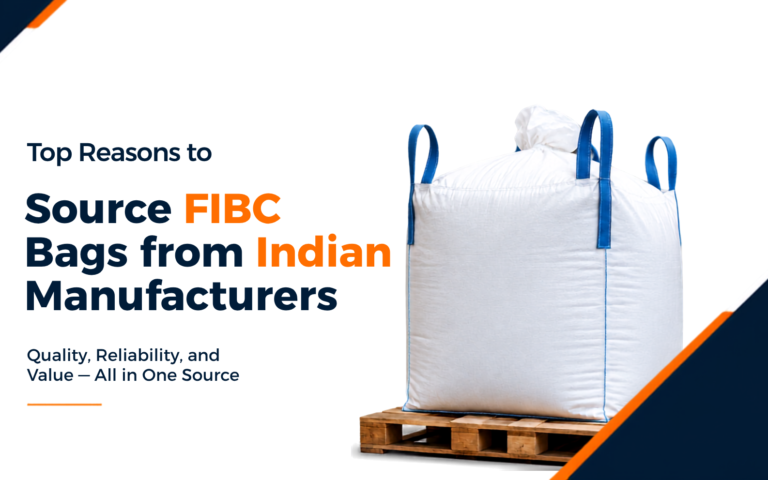
Top Reasons to Source FIBC Bags from Indian Manufacturers

India has emerged as a competitive global hub for FIBC bag manufacturing, offering a strong combination of production capacity, cost efficiency, material expertise, and export readiness. For businesses sourcing Flexible Intermediate Bulk Containers (FIBC bags), Indian manufacturers increasingly provide a practical alternative to suppliers in China, Vietnam, and other established packaging markets. From standard bulk bags and jumbo bags to custom FIBC bags, food-grade bags, conductive bags, and ventilated FIBC bags, Indian suppliers cater to diverse industrial requirements. Competitive pricing, access to polypropylene raw materials, skilled manufacturing capabilities, and international quality standards further strengthen India’s position in the global FIBC market. This guide examines the top reasons to source FIBC bags from Indian manufacturers, including quality, customization, pricing, compliance, scalability, and export capabilities. It also compares key sourcing advantages to help importers, distributors, and industrial buyers make a more informed supplier decision.

Why Has India Become a Global Hub for FIBC Bag Manufacturing?

Strong raw material availability, competitive production costs, skilled manpower, and expanding manufacturing infrastructure have positioned India among the leading FIBC bag manufacturing destinations worldwide. Indian suppliers serve industries such as agriculture, chemicals, food processing, pharmaceuticals, mining, and construction with standard and custom FIBC bags. Their ability to offer large-volume production, tailored specifications, export-quality packaging, and compliance with global standards adds significant sourcing value. Compared with several competing markets, India also offers a favourable balance of FIBC bag quality, pricing, customization, and supply scalability, making Indian manufacturers increasingly attractive to international buyers.

10 Reasons Businesses Choose Indian FIBC Manufacturers

Indian FIBC manufacturers have become a preferred sourcing partner for businesses that need dependable bulk packaging, competitive pricing, and scalable production. Here are ten key reasons global buyers consider India for their FIBC bag requirements.

1. Cost-Effective Manufacturing Without Compromising Quality

Efficient production, local polypropylene availability, and competitive labour costs allow Indian manufacturers to offer cost-effective FIBC bags while maintaining consistent construction and performance.

2. International Quality Standards & Certifications

Leading suppliers follow recognised quality systems and can provide certifications and documentation required for international trade, regulated industries, and customer-specific procurement standards.

3. Wide Variety of FIBC Bags

Businesses can source Type A, Type B, Type C, and Type D FIBC bags, along with food-grade, UN-certified, conductive, ventilated, and specialised bulk bags for different applications.

4. Extensive Customization Options

Indian manufacturers can customise bag dimensions, fabric GSM, filling and discharge systems, lifting loops, liners, printing, coatings, and construction according to product and handling requirements.

5. High Production Capacity for Bulk Orders

Established manufacturing units are equipped to handle high-volume orders, making India suitable for distributors, importers, manufacturers, and multinational buyers requiring consistent bulk supply.

6. Reliable Export Experience Across 50+ Countries

Many Indian FIBC suppliers have established international supply networks and experience serving customers across multiple regions, simplifying documentation, packaging, logistics, and export coordination.

7. Strict Quality Control Throughout Manufacturing

Quality checks can be integrated across fabric weaving, cutting, sewing, printing, lamination, and final inspection, helping minimise defects and maintain batch-to-batch consistency.

8. Sustainable & Recyclable Packaging Solutions

Polypropylene FIBCs are reusable and recyclable when appropriately managed. Manufacturers can also develop lightweight designs that reduce material consumption without compromising required performance.

9. Faster Lead Times & Consistent Supply Chain

Strong domestic raw material availability and established manufacturing ecosystems can support predictable production schedules, replenishment planning, and reliable international shipments.

10. Excellent Customer Support & Technical Expertise

Experienced suppliers provide technical guidance on FIBC design, load requirements, liner selection, safety factors, filling systems, and discharge mechanisms, helping buyers select the right bulk bag for their application. For businesses comparing global sourcing destinations, these advantages make Indian FIBC manufacturers a strong option for balancing quality, customization, pricing, production capacity, and long-term supply reliability.

Industries That Source FIBC Bags from India

FIBC bags from India are widely used for storing, handling, and transporting dry, powdered, granular, and bulk materials. Their high load capacity, flexible construction, customisation options, and efficient storage make them suitable across numerous industries.
  • Agriculture: FIBC bags are used for bulk handling of seeds, grains, pulses, rice, animal feed ingredients, and other agricultural commodities. Their large capacity helps simplify storage and transportation.
  • Chemicals: Chemical manufacturers use specialised FIBC bags for transporting powders, granules, and other dry chemical materials. Different bag designs can support specific safety and handling requirements.
  • Food Processing: Food-grade FIBCs help businesses transport ingredients such as flour, sugar, starch, cereals, and food additives while maintaining hygienic handling conditions.
  • Fertilizers: Durable bulk bags are commonly used for packaging and transporting fertilizers, supporting efficient loading, unloading, warehousing, and distribution.
  • Minerals: Mining and mineral-processing companies source heavy-duty FIBC bags for products such as sand, minerals, ores, and industrial powders.
  • Construction Materials: FIBCs are suitable for bulk packaging of cement additives, aggregates, construction powders, and other dry building materials.
  • Pharmaceuticals: Pharmaceutical manufacturers may use certified and hygienically controlled FIBCs for selected bulk ingredients and materials where strict quality requirements apply.
  • Plastic Granules: Polypropylene and other plastic resin producers use FIBC bags to package, store, and transport polymer granules efficiently.
  • Animal Feed: Large bulk bags provide a practical solution for handling feed ingredients and finished animal-feed products.
  • Recycling Industry: Recyclers use FIBCs for collecting, storing, and transporting recyclable plastics, materials, granules, and processing waste.

How to Choose the Best Indian FIBC Bags Manufacturer for Global Supply?

Selecting the right Indian FIBC bags manufacturer requires more than comparing prices. Start by evaluating the supplier’s manufacturing capacity, product range, quality-control systems, and experience with international buyers. Check whether the manufacturer can provide required certifications, testing reports, and compliance documentation for your destination market. Review their expertise in producing custom FIBC bags, including specifications for dimensions, fabric strength, liners, loops, coatings, filling, and discharge systems. Export experience, production lead times, packaging standards, and shipping capabilities should also be assessed. Request samples before placing large orders and verify consistency through inspection or third-party testing. A reliable FIBC supplier should combine competitive pricing with consistent quality, transparent communication, technical support, and dependable long-term supply.

Conclusion:

India offers a compelling sourcing advantage for businesses looking for reliable, cost-effective, and customizable FIBC bags. Strong manufacturing infrastructure, skilled expertise, competitive pricing, quality-control systems, export capabilities, and diverse product options have made Indian FIBC manufacturers increasingly relevant to global buyers. From agriculture and chemicals to food processing, pharmaceuticals, minerals, and construction, Indian suppliers can support varied bulk packaging requirements. If you are evaluating an experienced partner for your next bulk packaging requirement, SatyendraPackagingLtd. can help you explore suitable FIBC bag solutions based on your product, load capacity, handling method, and shipping requirements. Contact SatyendraPackagingLtd. today to discuss your FIBC bag specifications, customization needs, and bulk order requirements. For international buyers, choosing the right Indian manufacturer can deliver the right balance of quality, scalability, customization, and supply reliability, making India a strong destination for long-term FIBC sourcing.

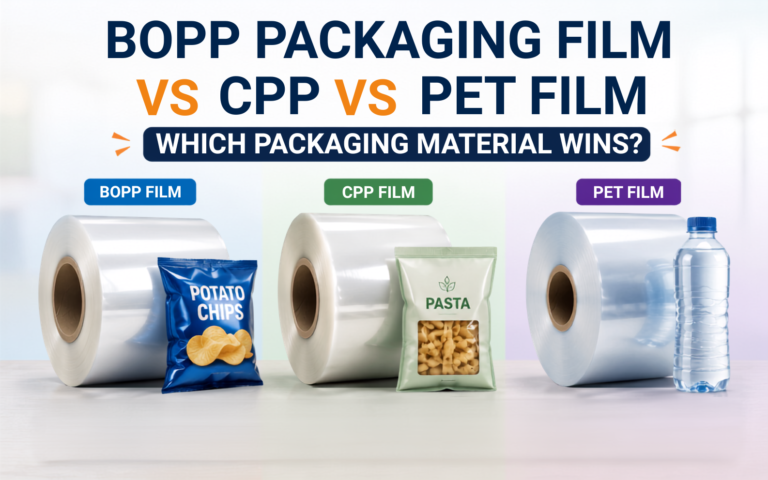
BOPP Packaging Film vs CPP vs PET Film: Which Packaging Material Wins?

Choosing between BOPP packaging film, CPP film, and PET film isn’t just about picking a plastic film. It directly impacts product freshness, packaging speed, print quality, transportation safety, and overall packaging cost. If you’re wondering which packaging material performs best, the answer depends on your product, sealing method, barrier requirements, and end-use application. BOPP excels in printability and affordability, CPP stands out for heat sealing and flexibility, while PET offers unmatched strength and high-temperature resistance. Every packaging material has a purpose, but using the wrong one can increase production costs, reduce shelf life, or even affect customer perception. That is why packaging engineers and manufacturers evaluate film performance before finalizing a packaging structure. In this guide, we’ll compare BOPP packaging film vs CPP vs PET film across key parameters such as mechanical strength, moisture barrier, transparency, sealing performance, recyclability, applications, and pricing. By the end, you’ll know exactly which packaging film delivers the right balance of protection, performance, and commercial value for your products.

What is Packaging Film?

Packaging film is a thin, flexible material used to protect, preserve, and present products throughout storage, transportation, and retail display. Made from polymers like BOPP, CPP, PET, PE, and PVC, packaging films provide essential properties such as moisture resistance, oxygen barrier, heat sealability, durability, and high-quality printability. They are widely used across food, beverages, pharmaceuticals, cosmetics, agriculture, and consumer goods industries to extend shelf life, improve product safety, enhance branding, and support efficient packaging operations.

What is BOPP Packaging Film?

BOPP (Biaxially Oriented Polypropylene) packaging film is a high-performance plastic film produced by stretching polypropylene in both machine and transverse directions. This process enhances its strength, clarity, moisture resistance, and printability. BOPP packaging film is widely used for food packaging, labels, overwraps, pouches, and FMCG products because it offers excellent durability, attractive shelf appearance, and cost-effective performance. Its lightweight structure and compatibility with high-speed packaging machines make it a preferred choice across multiple industries.

What is CPP Film?

CPP (Cast Polypropylene) film is a flexible packaging film manufactured using the cast extrusion process, giving it excellent transparency, flexibility, and superior heat-sealing performance. It is commonly used as the inner sealing layer in food packaging, retort pouches, bakery products, confectionery, and medical packaging. CPP film also provides good moisture resistance, puncture strength, and chemical resistance, making it suitable for applications that require reliable sealing, product protection, and extended shelf life.

What is PET Film?

PET (Polyethylene Terephthalate) film is a strong, high-performance packaging material known for its exceptional tensile strength, dimensional stability, heat resistance, and excellent barrier properties. It is widely used for laminated food packaging, pharmaceutical products, beverages, electronics, and premium consumer goods. PET film offers outstanding clarity, superior print quality, and resistance to moisture, chemicals, and high temperatures. These qualities make it a preferred choice for packaging applications that demand durability, product safety, and long-term performance.

How to Choose the Right Packaging Film?

Selecting the right packaging film requires balancing product protection, production efficiency, branding, and cost. Here are the key factors every manufacturer and packaging buyer should evaluate.

a) Consider Product Type

Different products need different film properties. Dry snacks, frozen foods, cosmetics, pharmaceuticals, and industrial products each require specific levels of barrier protection, flexibility, and strength.

b) Required Shelf Life

If extending product freshness is a priority, choose a film with suitable moisture and oxygen barrier properties. The longer the desired shelf life, the more important the film structure becomes.

c) Printing Requirements

For brands that rely on attractive packaging, print quality matters. Films with excellent surface smoothness and ink adhesion deliver sharper graphics, vibrant colours, and a stronger shelf presence.

d) Packaging Machinery

Not every film performs the same on every machine. Select a packaging film compatible with your sealing temperature, packaging speed, and automated production line to reduce downtime.

e) Transportation Conditions

Products exposed to humidity, temperature fluctuations, or long-distance shipping require films with higher puncture resistance, durability, and dimensional stability to prevent packaging failures.

f) Budget

The lowest-priced film isn’t always the most economical. Compare overall performance, material efficiency, product protection, and waste reduction to determine the best long-term value.

g) Sustainability Goals

Many businesses are adopting recyclable and lightweight packaging materials to reduce environmental impact. Choose films that align with your sustainability commitments without compromising performance.

h) Export Requirements

Export packaging often demands stronger barrier protection, longer shelf life, and reliable durability to withstand international storage and transportation conditions.

i) Regulatory Compliance

Ensure the packaging film complies with food safety standards, pharmaceutical regulations, and industry-specific requirements in your target markets. Using certified materials improves product safety, builds customer confidence, and supports smooth market approval.

Expert Tips Before Buying Packaging Films

Selecting the right packaging film goes beyond comparing material specifications. A well-informed decision improves product protection, reduces production issues, and delivers better long-term value. Before finalizing your purchase, keep these expert recommendations in mind.

1. Request Technical Data Sheets

Always ask suppliers for detailed technical data sheets (TDS). These documents provide critical information about film thickness, tensile strength, sealing temperature, barrier performance, transparency, and recommended applications, helping you compare materials objectively.

2. Conduct Product Compatibility Trials

Every product interacts differently with packaging materials. Perform real-world trials to evaluate sealing quality, product freshness, print performance, and machine efficiency before approving the film for commercial production.

3. Verify Barrier Property Requirements

Different products require different levels of protection against moisture, oxygen, aroma loss, grease, or light. Choose a packaging film with barrier properties that match your product’s storage conditions and expected shelf life.

4. Assess Machine Speed Compatibility

High-speed packaging lines demand films that run smoothly without frequent breaks or sealing failures. Confirm that the selected film is compatible with your packaging equipment to maintain production efficiency.

5. Evaluate Sealing Performance

Strong and consistent seals are essential for preventing leakage, contamination, and product damage. Test sealing strength across different temperatures and production speeds before making a bulk purchase.

6. Compare Lifecycle Costs, Not Just Material Price

The cheapest film may increase waste, downtime, or product returns. Consider overall ownership costs, including production efficiency, storage, transportation, shelf life, and packaging reliability, instead of focusing only on the purchase price.

7. Partner with Certified Manufacturers

Choose experienced manufacturers with recognized quality certifications and proven production standards. Reliable suppliers provide consistent quality, technical support, and dependable delivery schedules for uninterrupted operations.

8. Ensure Compliance with Food Safety and Export Regulations

For food, pharmaceutical, and export packaging, verify that the film complies with relevant regulatory standards and industry certifications. Using compliant packaging materials protects product integrity, simplifies market approvals, and strengthens customer trust in your brand.

Which Packaging Film Works Best for Different Industries and Product Categories?

Choosing the right packaging film depends on your product’s protection, shelf life, and presentation requirements. Different industries rely on different film types to achieve the best performance.
    • Food & Snacks: BOPP and CPP films for freshness and moisture resistance.
    • Frozen Foods: PET laminated films for superior barrier protection.
    • Pharmaceuticals: High-barrier multilayer films for product safety.
    • Personal Care & Cosmetics: Glossy BOPP and PET films for premium shelf appeal.
    • Agriculture & Industrial Products: Durable laminated films for strength and durability.
Selecting the appropriate packaging film ensures product protection, attractive packaging, and efficient performance throughout storage, transportation, and retail display.

Conclusion:

There is no single winner in the BOPP Packaging Film vs CPP vs PET Film comparison because every packaging material serves a different purpose. BOPP excels in print quality, shelf appeal, and moisture resistance, CPP offers excellent heat sealing and flexibility, while PET stands out for its strength, durability, and high-temperature performance. The right choice depends on your product category, storage conditions, transportation needs, and branding goals. If you’re looking for premium packaging films tailored to your business, Satyendra Packaging Ltd. (SPL) is your trusted manufacturing partner. With advanced production capabilities, strict quality standards, and customized film solutions, SPL helps brands achieve better product protection and stronger shelf presence across industries. Whether you need BOPP, CPP, PET, or multilayer packaging films, partnering with the right manufacturer ensures long-term performance and cost efficiency. Contact Satyendra Packaging Ltd. today to discuss your packaging requirements and discover the ideal film solution for your products and industry.

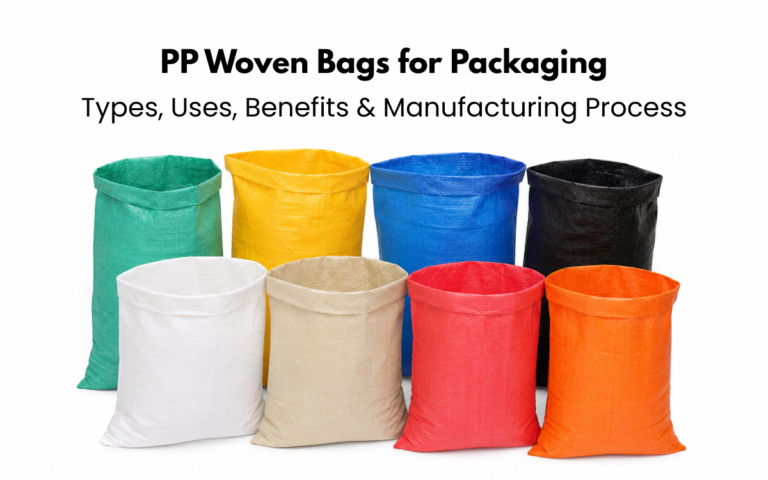
PP Woven Bags for Packaging: Types, Uses, Benefits & Manufacturing Process

PP woven bags have become the backbone of industrial packaging, serving industries ranging from agriculture and fertilizers to cement, chemicals, food grains, sugar, polymers, and animal feed. As businesses demand stronger, lighter, and more sustainable packaging, the global PP woven bags market continues to expand, driven by rising industrial production, exports, and the shift toward reusable packaging solutions. But choosing the right polypropylene woven bag isn’t as simple as picking a standard sack. Should you use laminated or unlaminated bags? BOPP laminated or valve bags? How do manufacturers ensure high tensile strength and moisture resistance without increasing costs? If these questions sound familiar, you’re in the right place. In this comprehensive guide, we’ll explore the different types of PP woven bags for packaging, their industrial applications, key advantages, material specifications, and the complete manufacturing process. Whether you’re a manufacturer, exporter, distributor, or procurement professional, this guide will help you make informed packaging decisions that improve product protection, logistics efficiency, and overall business profitability.

What are PP Woven Bags?

PP woven bags are high-strength industrial packaging bags manufactured by weaving polypropylene (PP) tapes into a durable fabric. Known for their excellent tensile strength, lightweight structure, moisture resistance, and cost-effectiveness, these bags are widely used for packaging products such as grains, fertilizers, cement, sugar, chemicals, animal feed, and minerals. They can be customized with lamination, liners, UV stabilization, or BOPP printing, making them suitable for diverse packaging, storage, transportation, and export requirements across multiple industries.

Types of PP Woven Bags that are Being Used by Different Industries

Different industries require different PP woven bags based on product weight, storage conditions, transportation needs, handling methods, and branding requirements. Selecting the right bag improves product protection, reduces packaging losses, and enhances supply chain efficiency. Below are the most widely used types of PP woven bags across industrial and commercial sectors.

a) Standard PP Woven Bags

These are the most basic and economical woven bags, ideal for packaging grains, rice, flour, fertilizers, seeds, and construction materials. They offer excellent strength, durability, and reusability for everyday industrial packaging.

b) Laminated PP Woven Bags

A thin polypropylene coating makes these bags moisture-resistant and improves product protection. They are widely used for sugar, chemicals, animal feed, and food products that require better barrier properties.

c) BOPP Laminated Woven Bags

These bags feature a BOPP printed film laminated onto woven fabric, delivering superior graphics, scratch resistance, and durability. They are popular for premium retail packaging of pet food, flour, rice, and FMCG products.

d) Gusseted PP Woven Bags

Designed with expandable side gussets, these bags provide better stacking stability, higher filling capacity, and maximum utilization of storage and transportation space.

e) Valve PP Woven Bags

Commonly used for cement, dry mortar, gypsum, and powdered chemicals, valve bags enable quick, dust-free, and automated filling operations in high-speed production facilities.

f) Block Bottom PP Woven Bags

With a flat rectangular base, these bags stand upright on shelves and pallets, offering excellent presentation, stability, and efficient stacking for retail and industrial applications.

g) Circular Woven Bags

Manufactured using circular looms, these seamless bags provide high tensile strength and are widely preferred for bulk agricultural and industrial packaging.

h) Perforated PP Woven Bags

Tiny perforations allow proper air circulation, making these bags suitable for packaging onions, potatoes, garlic, and other fresh produce that requires ventilation.

i) UV-Stabilized PP Woven Bags

These bags contain UV additives that protect against prolonged sunlight exposure, making them ideal for outdoor storage of fertilizers, seeds, sand, minerals, and construction materials. Each type of PP woven bag is engineered to solve specific packaging challenges. Understanding these variations helps manufacturers, exporters, wholesalers, and distributors select the most suitable packaging solution for improved product safety, reduced logistics costs, enhanced shelf appeal, and longer storage life.

PP Woven Bags Manufacturing Process

The manufacturing of PP woven bags involves a precise sequence of production stages to ensure strength, consistency, and durability. Modern manufacturing plants use automated machinery and strict quality controls to produce bags that meet industry standards.

Step 1 – Polypropylene Granule Feeding

High-quality virgin or recycled polypropylene granules are fed into extrusion machines. UV additives, color masterbatches, or other performance enhancers may also be added based on application requirements.

Step 2 – Extrusion Process

The granules are melted at controlled temperatures and extruded through a flat die to produce thin PP films, which are then slit into narrow tapes.

Step 3 – Tape Stretching and Orientation

The tapes are stretched under controlled heat to improve tensile strength, flexibility, and load-bearing capacity before winding onto bobbins.

Step 4 – Circular Weaving

The stretched tapes are woven on circular looms to create seamless tubular woven fabric with excellent durability and dimensional stability.

Step 5 – Lamination Process

If required, the woven fabric is laminated with a polypropylene coating or BOPP film to enhance moisture resistance, printability, and product protection.

Step 6 – Printing Process

Brand logos, product details, safety instructions, and other graphics are printed using flexographic or rotogravure printing technologies.

Step 7 – Cutting and Stitching

The woven fabric is cut into required dimensions and stitched into finished bags. Features like liners, valves, gussets, or handles are added as needed.

Step 8 – Quality Inspection

Each batch undergoes testing for tensile strength, weight, dimensions, stitching quality, lamination adhesion, and printing accuracy to ensure consistent performance.

Step 9 – Packaging and Dispatch

The finished bags are bundled, compressed, packed, and dispatched for domestic distribution or export after passing all quality checks, ensuring they reach customers ready for immediate industrial use.

Benefits of Using PP Woven Bags for Packaging

PP woven bags have become one of the most preferred industrial packaging solutions because they combine strength, affordability, and versatility. Their ability to protect products while reducing packaging costs makes them suitable for agriculture, food processing, chemicals, construction, and logistics industries.

1. Excellent Strength and Durability

Manufactured from woven polypropylene tapes, these bags offer outstanding tensile strength and resistance to tearing, punctures, and rough handling during transportation.

2. Lightweight Yet Strong

Despite their high load-bearing capacity, PP woven bags are lightweight, helping businesses reduce shipping costs without compromising packaging performance.

3. Cost-Effective Packaging Solution

Compared to many alternative packaging materials, PP woven bags provide long-lasting performance at a competitive price, making them ideal for large-volume packaging operations.

4. Moisture and Weather Resistance

Laminated and BOPP-coated variants offer excellent protection against moisture, dust, and environmental conditions, helping preserve product quality.

5. High Load-Bearing Capacity

These bags are engineered to carry heavy products such as cement, fertilizers, grains, minerals, and chemicals without losing structural integrity.

6. Easy Storage and Transportation

Their flexible construction allows efficient stacking, folding, and palletizing, maximizing warehouse space and simplifying logistics.

7. Reusable and Recyclable

PP woven bags can often be reused multiple times and are recyclable, making them a more sustainable packaging choice than many single-use alternatives.

8. Attractive Printing and Branding Possibilities

BOPP laminated bags support high-quality graphics, vibrant colors, and detailed product information, strengthening shelf appeal and brand recognition.

9. Customizable Sizes and Designs

Manufacturers can customize dimensions, colors, GSM, printing, lamination, liners, gussets, valves, and UV protection to suit specific industry requirements.

10. Long Shelf Life

Their resistance to wear, moisture, UV exposure, and chemicals ensures reliable performance throughout storage, transportation, and extended product shelf life. By combining durability, customization, sustainability, and cost efficiency, PP woven bags continue to be one of the most reliable packaging solutions for businesses seeking safe product handling, improved logistics, and long-term value across domestic and international markets.

How to Select the Right PP Woven Bag Manufacturer?

Choosing the right PP woven bag manufacturer is crucial for ensuring consistent quality, timely deliveries, and cost-effective packaging. Look for a manufacturer with modern production facilities, ISO-certified quality standards, customization capabilities, and experience serving your industry. Evaluate factors such as raw material quality, printing expertise, production capacity, export experience, lead times, and after-sales support. Request product samples and certifications before placing bulk orders to ensure the bags meet your strength, durability, and performance requirements.

Conclusion:

PP woven bags have become an indispensable packaging solution for industries that demand durability, cost efficiency, and reliable product protection. From standard woven sacks to advanced BOPP laminated and block bottom bags, each type is designed to meet specific packaging and transportation requirements. Understanding their types, applications, benefits, and manufacturing process enables businesses to select the right packaging solution that improves operational efficiency and reduces overall logistics costs. If you’re looking for high-quality, custom-engineered PP woven bags tailored to your industry, Satyendra Packaging Ltd. offers end-to-end manufacturing solutions with advanced production technology, stringent quality control, and customization options for domestic and international markets. Whether you need agricultural bags, cement bags, food-grade packaging, or industrial woven sacks, their expert team can help you find the ideal solution. Investing in the right PP woven packaging today not only protects your products but also strengthens your brand reputation, supply chain performance, and long-term business growth.
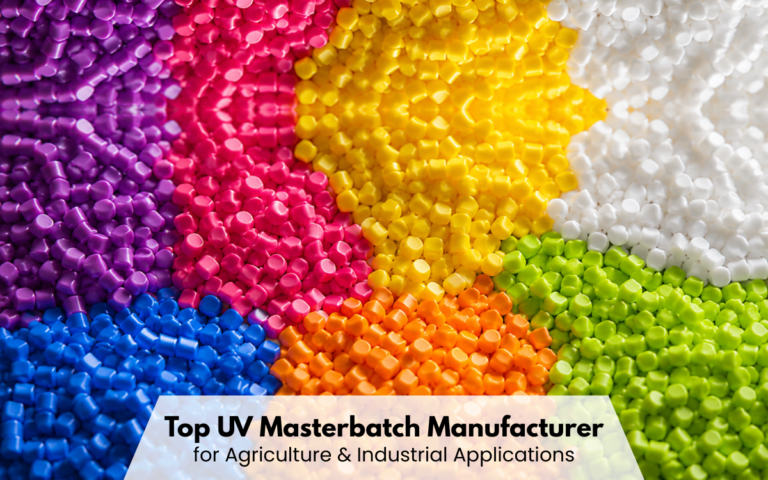
Top UV Masterbatch Manufacturer for Agriculture & Industrial Applications

UV radiation is one of the biggest reasons plastic products lose strength, fade in colour, crack, and fail much earlier than expected. Whether used in agriculture, construction, packaging, automotive, or industrial manufacturing, plastic materials require long-lasting UV protection to maintain performance in harsh outdoor conditions. This is where choosing a trusted UV masterbatch manufacturer becomes essential. High-quality UV masterbatch is specially formulated with advanced ultraviolet stabilizers that help extend the lifespan of plastic products without affecting their appearance or processing properties. From greenhouse films and irrigation pipes to outdoor furniture, woven sacks, and industrial containers, the right formulation improves durability, reduces replacement costs, and ensures consistent product quality. This guide explores how UV masterbatch works, its major applications, key benefits, selection factors, and why partnering with an experienced UV masterbatch manufacturer can improve product performance, manufacturing efficiency, and long-term business value across diverse agriculture and industrial sectors.

What is UV Masterbatch?

UV masterbatch is a concentrated blend of ultraviolet (UV) stabilizers, polymers, and performance additives added to plastic during manufacturing to protect it from harmful sunlight. It absorbs or blocks UV radiation, preventing plastic from fading, cracking, becoming brittle, or losing strength over time. Commonly used in agricultural films, pipes, outdoor furniture, packaging, automotive parts, and industrial products, masterbatch significantly extends product life while maintaining colour, durability, and overall performance in outdoor environments.

Why Every Plastic Manufacturer Needs UV Masterbatch in 2026?

With growing demand for durable outdoor plastic products, UV masterbatch has become a necessity rather than an option. Customers expect longer-lasting products that can withstand intense sunlight, extreme weather, and changing environmental conditions without losing quality. Key reasons manufacturers rely on UV masterbatch include:
  • Extends the service life of plastic products.
  • Prevents fading, cracking, and surface deterioration.
  • Reduces product replacement and warranty costs.
  • Maintains colour stability and mechanical strength.
  • Supports reliable performance in agricultural and industrial applications.
In 2026, investing in premium UV masterbatch helps manufacturers improve product quality, strengthen brand reputation, meet customer expectations, and stay competitive in markets where durability directly influences purchasing decisions.

Applications of UV Masterbatch in Agriculture

Agricultural plastics remain exposed to sunlight throughout their service life, making UV protection essential for maintaining performance, durability, and crop productivity.

a) Greenhouse Films

UV masterbatch protects films from sunlight degradation, helping maintain transparency, strength, and a longer operational life.

b) Mulch Films

It prevents premature cracking and tearing, allowing mulch films to perform effectively throughout the growing season.

c) Irrigation Pipes and Drip Systems

UV stabilizers reduce weather-related damage, ensuring reliable water distribution and longer-lasting irrigation infrastructure.

d) Shade Nets and Crop Covers

These products retain their strength and flexibility even after continuous outdoor exposure, protecting crops more effectively.

e) Silage Films

UV masterbatch preserves film integrity, safeguarding stored fodder from environmental damage and reducing material failure. By improving the lifespan and reliability of agricultural plastic products, UV masterbatch helps farmers reduce maintenance costs, minimise replacement frequency, and achieve better long-term productivity under demanding outdoor conditions.

Applications of UV Masterbatch in Industrial Sectors

Industrial plastic products are often exposed to harsh weather, continuous sunlight, and demanding operating conditions. UV masterbatch improves their durability, appearance, and long-term performance across multiple industries.

a) Plastic Pipes and Fittings

Protects pipes from UV degradation, reducing cracks, brittleness, and premature failure in outdoor installations.

b) Water Storage Tanks

Maintains structural strength and colour stability, ensuring tanks remain reliable despite prolonged sunlight exposure.

c) Industrial Packaging Materials

Enhances the lifespan of woven sacks, containers, crates, and outdoor packaging by preventing fading and material deterioration.

d) Automotive Components

Used in exterior trims, bumpers, and plastic accessories to resist sunlight, helping retain strength and finish over time.

e) Construction Materials

Improves the durability of roofing sheets, panels, cable ducts, and outdoor plastic building products exposed to changing weather.

f) Electrical and Cable Industries

Protects cable insulation, conduits, and electrical components from UV damage, supporting long-lasting performance and safety. By extending product life and reducing maintenance costs, UV masterbatch helps manufacturers deliver reliable, high-quality plastic products for demanding industrial environments.

India’s Top UV Masterbatch Manufacturer for Durable Plastic Applications

1. SPL India (Satyendra Packaging Ltd.)

SPL India (Satyendra Packaging Ltd.) is a trusted UV masterbatch manufacturer known for delivering high-performance solutions for agriculture, packaging, construction, automotive, and industrial plastic applications. Its UV masterbatches are formulated with advanced ultraviolet stabilizers that protect plastic products from fading, cracking, brittleness, and premature ageing caused by prolonged sunlight exposure. Designed for excellent dispersion and consistent processing, these masterbatches enhance product durability without compromising colour or mechanical properties. With a strong focus on quality, innovation, and customized formulations, SPL India helps manufacturers improve the lifespan, reliability, and overall performance of plastic products used in demanding outdoor and industrial environments.

Types of UV Masterbatch Available in the Market

Different plastic applications require different levels of UV protection, making the choice of UV masterbatch important for long-term product performance. HALS-Based UV Masterbatch: Uses Hindered Amine Light Stabilizers (HALS) to prevent polymer degradation and extend the lifespan of outdoor plastic products. UV Absorber-Based Masterbatch: Absorbs harmful ultraviolet rays before they can damage the plastic, making it suitable for films and transparent applications. Combination UV Stabilizer Masterbatch: Combines UV absorbers and HALS technology to deliver enhanced protection in harsh environmental conditions. Customized UV Masterbatch Solutions: Developed to meet specific industry requirements, polymer types, climatic conditions, and desired product life.

Benefits of Partnering with a Professional UV Masterbatch Manufacturer

Selecting the right UV masterbatch manufacturer is as important as choosing the right formulation. An experienced manufacturer provides consistent quality, technical expertise, and customized solutions that enhance the durability and reliability of plastic products.

1. Superior Product Performance

High-quality UV masterbatch improves resistance to sunlight, weathering, fading, cracking, and mechanical degradation.

2. Customized Solutions

Manufacturers develop tailored formulations based on polymer type, application, climate, and required product lifespan.

3. Reduced Material Failure

Advanced UV stabilizers minimize premature product damage, lowering replacement rates and maintenance costs.

4. Enhanced Customer Satisfaction

Durable, long-lasting plastic products increase customer confidence and strengthen long-term business relationships.

5. Improved Brand Reputation

Reliable product performance helps manufacturers build trust, improve market credibility, and differentiate their brand.

6. Long-Term Cost Efficiency

Extended product life, fewer warranty claims, reduced material wastage, and improved manufacturing efficiency contribute to significant long-term cost savings, making quality UV masterbatch a valuable investment.

How UV Masterbatch Protects Plastic from Sun Damage and Color Fading?

UV masterbatch protects plastic by incorporating specialized ultraviolet stabilizers that either absorb harmful UV rays or neutralize the free radicals generated by sunlight. This prevents the polymer chains from breaking down, reducing the risk of fading, chalking, cracking, brittleness, and loss of mechanical strength. Advanced technologies such as Hindered Amine Light Stabilizers (HALS) continuously protect the plastic, even during prolonged outdoor exposure. As a result, products retain their original colour, surface finish, flexibility, and structural integrity for a longer period. This makes UV masterbatch an essential additive for agricultural, industrial, construction, automotive, and packaging applications that require long-lasting outdoor performance.

Conclusion:

Selecting the right UV masterbatch manufacturer plays a crucial role in improving the durability, appearance, and long-term performance of plastic products used in agriculture and industrial applications. High-quality UV masterbatch protects plastics from harmful sunlight, prevents colour fading, reduces material degradation, and extends product life, helping manufacturers deliver reliable products while lowering maintenance and replacement costs. If you’re looking for customized UV masterbatch solutions that meet the highest quality standards, Satyendra Packaging Ltd. (SPL India) offers advanced formulations designed for diverse polymer applications and challenging outdoor environments. Backed by industry expertise, consistent quality, and technical support, SPL India helps businesses achieve superior product performance and long-lasting results. Partner with SPL to enhance the strength, reliability, and value of your plastic products. Investing in the right UV masterbatch today ensures better product quality, stronger customer trust, and sustainable business growth for years to come.

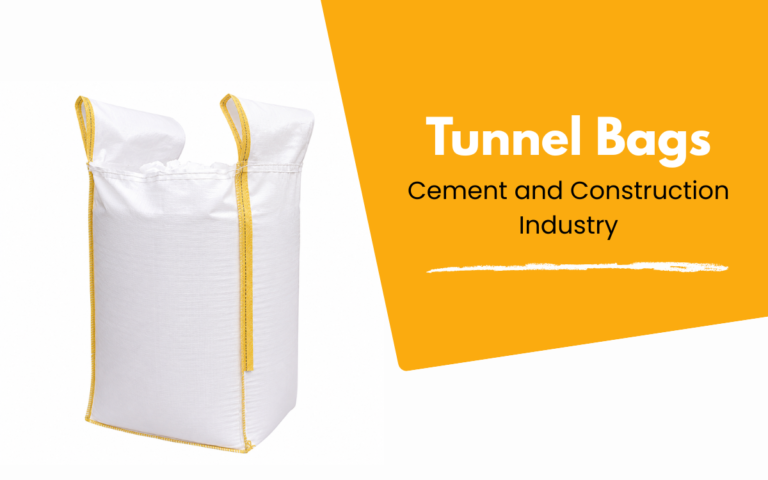
The Ultimate Guide to Tunnel Bags for Cement and Construction Industry

In the cement and construction industry, packaging problems often create bigger challenges than expected. A torn bag during transportation. Moisture-damaged cement. Material loss during loading and unloading. Delayed deliveries at construction sites. Small packaging failures can quickly increase operational costs and affect project timelines. Think about it. How many manufacturers and suppliers still struggle with wastage because traditional packaging cannot handle heavy industrial demands efficiently? With global cement consumption reaching billions of tons every year, industries are under growing pressure to improve transportation, reduce product loss, and ensure stronger packaging performance. This is where Tunnel Bags, are creating a major difference. Designed for heavy-duty applications, tunnel bags offer better load stability, safer handling, and efficient storage solutions. In this guide, we will explore tunnel bag benefits, applications, and why industries are rapidly adopting these FIBC bulk bags for smarter construction packaging manufacturing solutions.

Why Tunnel Bags Are Becoming the Backbone of the Cement Industry?

The cement industry operates in an environment where handling efficiency, product safety, and transportation reliability directly impact profitability. Traditional packaging methods often struggle with issues like tearing, moisture exposure, material spillage, and difficult handling during transit. This is why tunnel bags, are becoming the backbone of the cement industry. Their heavy-duty woven polypropylene structure supports high load capacities while offering better stability and durability throughout the supply chain. These FIBC bags help reduce material wastage, simplify loading and unloading processes, and improve storage efficiency. As construction demand continues to grow, manufacturers are increasingly adopting tunnel bags to optimize operations and lower packaging-related losses. More than just a packaging option, tunnel bags are becoming a practical FIBC packaging solution for modern cement logistics and industrial handling needs.

Key Factors to Consider When Choosing Tunnel Bags

Selecting the right tunnel bags is not simply about packaging materials; it directly affects product protection, transportation efficiency, and operational costs. A wrong choice can lead to material losses, handling difficulties, and unnecessary expenses. Here are the key factors businesses should evaluate before choosing tunnel bags:

a) Material Quality and Strength

The quality of the FIBC bag material determines its durability and performance under industrial conditions. High-strength woven polypropylene fabrics provide better resistance against tearing, punctures, and heavy handling. Stronger tunnel bags reduce the chances of packaging failure during transportation and storage.

b) Load Capacity Requirements

Every industry has different weight-handling needs. Cement, aggregates, and construction materials often require heavy-duty packaging manufacturer. Selecting tunnel bags with suitable load capacities ensures safer handling and prevents stress-related damage during lifting and transit.

c) Environmental Conditions (Moisture, Heat)

Construction materials are frequently exposed to challenging environments. Moisture can damage cement quality, while heat and harsh weather conditions can affect packaging performance. Tunnel FIBC bags designed with protective features help maintain product integrity across different storage and transportation conditions.

d) Reusability Needs

Many businesses now focus on reducing packaging waste and improving sustainability. Reusable FIBC tunnel bags can support multiple handling cycles, making them a practical option for industries looking for long-term operational efficiency and lower replacement costs.

e) Cost vs Long-Term Benefits

Lower-priced packaging may appear economical initially, but poor-quality bags often create higher losses over time. Investing in durable tunnel bags can reduce material wastage, improve productivity, and deliver stronger long-term returns for cement and construction businesses.

Top Benefits of Using Tunnel Bags in Cement & Heavy Construction Materials

The cement and construction industry requires packaging that can withstand heavy loads, rough handling, and demanding transportation conditions. Tunnel bags have become a preferred FIBC packaging choice because they solve multiple operational challenges while improving overall efficiency.

1. High Load-Bearing Capacity

Tunnel bags are designed to handle heavy industrial materials such as cement, sand, aggregates, and construction compounds. Their strong FIBC structure supports large weight capacities without compromising safety.

2. Enhanced Durability

Heavy construction environments expose packaging to pressure, friction, and rough handling. Tunnel bags offer excellent resistance against tears, punctures, and wear, ensuring reliable performance throughout transportation and storage.

3. Cost-Effective Packaging Solution

Packaging failures can create hidden expenses through damaged materials and operational delays. Tunnel bags help reduce these costs by providing long-lasting performance and minimizing replacement requirements.

4. Easy Handling & Transportation

Efficient material movement is critical in construction operations. Tunnel lift bags are designed for easier lifting, loading, unloading, and transportation, helping streamline logistics and reduce labor effort.

5. Reduced Material Wastage

Spillage and damaged packaging often result in product losses. Tunnel bags provide better product containment and stability, reducing material wastage during handling and transit.

6. Space Optimization

Storage efficiency plays a major role in industrial operations. Their design allows organized stacking and better space utilization in warehouses, transport vehicles, and construction sites.

7. Reusability & Sustainability

Many tunnel bags can be reused for multiple handling cycles, helping businesses reduce packaging waste and improve sustainability efforts while lowering long-term packaging costs.

8. Customizable Design Options

Different projects require different packaging specifications. Tunnel bags can be customized according to material type, size requirements, weight capacity, and handling needs, making them suitable for various industrial applications. As cement and infrastructure projects continue expanding globally, industries need packaging systems that improve efficiency and reduce operational risks. Tunnel bags are no longer just carrying solutions; they have become an important part of modern construction logistics, helping businesses improve productivity, protect materials, and achieve stronger long-term performance.

Applications of Tunnel Bags in Construction Industry

Tunnel bags have become an important FIBC packaging solution across multiple segments of the construction industry due to their strength, flexibility, and handling efficiency. Their ability to safely transport and store heavy materials makes them suitable for demanding industrial operations.

a) Cement Storage and Transport

Tunnel bags are widely used for storing and transporting cement while protecting materials from moisture exposure and reducing product loss during transit.

b) Sand and Aggregate Handling

Construction projects involve large volumes of sand, gravel, and aggregates. Tunnel bags simplify handling and improve movement efficiency for these bulk materials.

c) Ready-Mix Concrete Supply Chains

Reliable material flow is critical in ready-mix concrete operations. Tunnel bags help maintain smooth supply chain processes by supporting easier transportation and material management.

d) Infrastructure and Large-Scale Projects

Large construction projects require heavy-duty FIBC packaging solutions that can support frequent movement and rough handling. Tunnel bags offer reliable performance for roads, bridges, and industrial developments.

e) Industrial Material Storage

Apart from cement products, tunnel bags are also used for storing construction chemicals, powders, minerals, and various industrial materials across manufacturing and infrastructure sectors.

Conclusion:

As the cement and construction industry continues expanding, businesses need packaging solutions that can support efficiency, durability, and large-scale material handling demands. Tunnel bags, which are a highly efficient type of FIBC bags, have emerged as more than just industrial packaging. They help reduce material wastage, simplify transportation, improve storage management, and enhance operational performance across construction supply chains. Choosing the right tunnel FIBC bag can directly impact productivity and long-term cost savings. If your business is looking for reliable and high-performance industrial packaging solutions, Satyendra Packaging Ltd. offers quality tunnel bag solutions designed for heavy-duty construction and cement applications. The right packaging partner can make a significant difference in protecting materials and optimizing operations. As industrial requirements evolve, investing in stronger and smarter FIBC packaging solutions today can help businesses build more efficient operations for tomorrow.

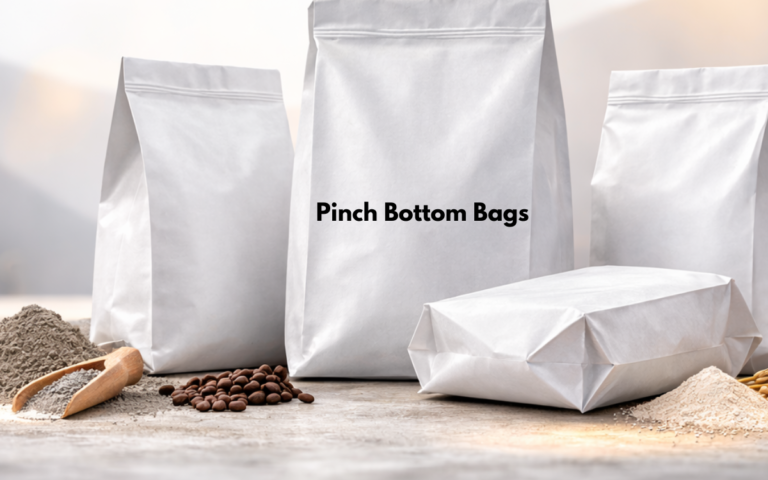
Pinch Bottom Bags: Why Brands Are Switching to This Smart Packaging?

In an era where packaging does more than just contain a product, pinch bottom bags have emerged as a strategic upgrade for brands across food, agriculture, industrial, and retail sectors. These bags aren’t just aesthetically pleasing — their design delivers real functional advantages: outstanding stability on shelves, superior sealing properties, and easier automated filling compared to traditional flat bags. Market analysts note that the flexible packaging segment, which includes bags like pinch bottom formats, accounts for over 33% of the global flexible packaging market — a sector expected to expand from roughly USD 284.6 billion in 2026 (Source) with a strong CAGR through the next decade thanks to rising demand for convenience and sustainable formats. From a brand perspective, the benefits are clear. Pinch bottom bags help reduce product damage and waste during transport, enhance on-shelf visibility, and support high-resolution branding — critical in crowded retail spaces. Plus, with increasing consumer and regulatory pressure for recyclable and compostable packaging, these bags give brands a smart, future-ready solution that aligns growth with sustainability goals.

What Are Pinch Bottom Bags?

Pinch bottom bags are a type of flexible packaging designed with a folded and sealed bottom closure that creates a flat, stable base. Unlike traditional flat or stitched bags, the bottom of a pinch bottom bag is heat-sealed or glued, allowing it to stand upright on retail shelves. This structure improves product presentation, storage efficiency, and stacking strength. Commonly used for packaging flour, animal feed, rice, chemicals, pet food, and powdered products, these bags are known for their durability and clean, premium appearance. They are typically made from multi-wall paper, polyethylene, or laminated materials, offering strong barrier protection against moisture and contamination while supporting high-speed automated filling processes.

1. Better Shelf Stability

Pinch bottom bags are designed with a flat, sealed base that allows them to stand upright securely. This improves shelf presence and reduces the chances of tipping or product spillage in retail environments. For brands, better stability means cleaner displays and stronger visual impact at the point of sale.

2. Space-Efficient Packaging

Thanks to their structured shape, these bags stack neatly during storage and transportation. They optimize pallet space, lower shipping costs, and improve warehouse efficiency—an important advantage for brands managing large distribution networks.

3. Premium Brand Appeal

The smooth surface and structured form offer ample printable area for high-quality graphics. This gives brands the opportunity to create eye-catching, premium packaging that strengthens brand identity and consumer trust.

4. Easy Filling & Sealing

Pinch bottom bags support automated filling systems and secure sealing, ensuring faster production, reduced product loss, and consistent packaging quality.

Industries that are Actively Using Pinch Bottom Bags

Pinch bottom bags are gaining strong adoption across multiple industries where durability, hygiene, and shelf presentation matter.

a) Food & FMCG (flour, rice, pulses, sugar, snacks)

In the food and FMCG sector, pinch bottom bags are widely used for staples like flour, rice, pulses, sugar, and packaged snacks. Their sturdy bottom seal prevents leakage, while the flat base ensures attractive shelf display in supermarkets and kirana stores. The structure also supports bulk packaging without compromising visual appeal.

b) Pet Food and Animal Feed

Pet food brands and livestock feed manufacturers prefer pinch bottom bags for their strength and load-bearing capacity. These bags handle heavier weights efficiently and protect dry kibble or feed from moisture during storage and transport.

c) Coffee, Tea, and Dry Beverage Mixes

For premium products like coffee, tea, and powdered beverage mixes, pinch bottom bags provide a clean, high-quality look. They also support barrier layers that preserve freshness and aroma.

d) Agricultural Products and Seeds

Seed companies and agro-product suppliers use these bags for secure packaging and easy stacking in warehouses.

e) Chemical Powders and Industrial Goods

Industrial manufacturers rely on pinch bottom bags for safe handling of powdered chemicals and construction materials.

Things to Consider Before Choosing Pinch Bottom Bags

Choosing the right pinch bottom bag requires more than just selecting an attractive design. Several technical and strategic factors should guide your decision.

i) Product Weight and Density

Start by evaluating the weight and density of your product. Heavier or high-density items like flour, animal feed, or chemical powders require stronger multi-wall paper or laminated structures to prevent tearing or bottom seal failure. The bag’s load-bearing capacity must match your packaging volume.

ii) Storage Conditions (Humidity, Temperature)

Environmental conditions play a critical role. If your product is stored in humid warehouses or transported across varying climates, moisture-resistant or laminated pinch bottom bags are essential. Proper barrier protection ensures product freshness, prevents contamination, and maintains structural integrity.

iii) Printing and Branding Requirements

Pinch bottom bags offer excellent printable surfaces, but you should define your branding needs in advance. Consider high-resolution graphics, color consistency, regulatory labeling, and whether you need matte, gloss, or specialty finishes for a premium appearance.

iv) Supplier and Quality Consistency

Finally, partner with a reliable supplier who maintains strict quality control standards. Consistent sealing strength, material thickness, and dimensional accuracy are crucial for automated filling lines and long-term brand reputation.

Why Brands in India Are Rapidly Adopting Pinch Bottom Bags

The Indian packaging landscape is evolving quickly, and pinch bottom bags are becoming a preferred choice for forward-thinking brands.

I. Growth of Organized Retail and Private Labels

With the rapid expansion of supermarkets, hypermarkets, and private label brands across India, shelf-ready packaging has become essential. Pinch bottom bags stand upright neatly, ensuring better product visibility and organized displays—key factors in modern retail environments.

2. Demand for Cost-Effective Yet Premium Packaging

Indian brands are constantly balancing cost control with premium appeal. Pinch bottom bags offer a structured, high-quality look without significantly increasing packaging costs. This makes them ideal for brands aiming to upgrade their packaging without affecting profit margins.

3. Consumer Preference for Neat, Sturdy Packaging

Today’s consumers prefer packaging that looks clean, stable, and easy to store at home. The flat base and strong sealing of pinch bottom bags reduce spillage and improve handling, increasing trust and satisfaction.

4. Export-Friendly Packaging Requirements

For Indian manufacturers targeting global markets, durable and stackable packaging is critical. Pinch bottom bags meet export standards by offering strength, moisture protection, and efficient palletization for international shipping.

Conclusion:

Pinch bottom bags are no longer just an alternative packaging option—they are becoming a strategic choice for brands that value durability, efficiency, and premium shelf presence. From better stability and space optimization to stronger sealing and enhanced branding opportunities, this packaging format offers clear operational and marketing advantages. As retail competition grows and logistics costs rise, brands need solutions that protect products while strengthening visual appeal. In India and global markets alike, the shift toward structured, export-friendly, and cost-effective packaging is accelerating. This is where choosing the right manufacturing partner makes all the difference. Satyendra Packaging Ltd. (SPL) delivers high-quality pinch bottom bags designed for performance, consistency, and brand impact. If you’re planning to upgrade your packaging strategy, now is the time to explore smarter solutions. Partner with SPL and give your products the stability, strength, and standout presence they deserve.

FIBC vs. Rigid Containers: Which One Delivers Better ROI for Bulk Transport?

In today’s high-stakes logistics landscape, choosing between FIBC and rigid containers isn’t just about pack-and-ship — it’s about optimizing ROI for bulk transport. As supply chains tighten and costs climb, 65% of bulk handling market share in 2025 is already dominated by FIBCs, a testament to their efficiency in dry, flowable cargo movement like grains, cement, and resins. Compared to traditional rigid containers, FIBCs can slash storage and freight costs by up to 30% thanks to lightweight, collapsible designs that shrink empty return costs and maximize payloads. Meanwhile, rigid IBCs still reign for liquids and high-value applications where structure and containment trump flexibility. But if your operation prioritizes transport cost per ton, reduced labor, and scalable bulk packaging, the data speaks loud: flexible bulk bags are reshaping industry norms — delivering cost efficiencies and superior ROI over fixed-frame alternatives.

What FIBC Bags Are and How They Are Used?

Flexible Intermediate Bulk Containers (FIBC) bags are large, industrial-grade woven polypropylene containers designed for storing and transporting dry, flowable materials in bulk. Commonly used across agriculture, construction, chemicals, and food processing, these bulk bags can safely handle loads ranging from 500 kg to over 2,000 kg. Their lightweight, foldable structure reduces storage space, lowers freight costs, and simplifies handling with forklifts or cranes. From grains and fertilizers to cement and polymer resins, FIBCs provide a cost-efficient, scalable, and contamination-controlled packaging solution for modern supply chains across industries worldwide.

What Are Rigid Containers?

Rigid containers are strong, fixed-shape storage units made from materials like high-density polyethylene, steel, or composite plastic. They are designed to safely store and transport liquids, semi-solids, and sensitive dry materials over long distances. Unlike flexible bulk bags, rigid Intermediate Bulk Containers (IBCs), drums, and tanks keep their shape, stack securely, and provide better protection against impact, moisture, and contamination. These containers are commonly used in chemicals, pharmaceuticals, food ingredients, and hazardous material handling where safety and product quality are critical. Although they are heavier and cost more to store or return, rigid containers offer high durability, reusability, and reliable protection, making them suitable for applications where safety and compliance are more important than lightweight or space-saving packaging.

Cost Comparison: Initial Investment vs Long-Term Spend

The real cost difference between FIBC bags and rigid containers goes beyond the initial purchase price. It includes maintenance effort, cleaning needs, storage space, and replacement frequency over time. Flexible bulk bags help reduce upfront spending, minimize handling of empty units, and simplify operations. Rigid containers, on the other hand, offer stronger structure and longer reuse where product protection is critical. The better option depends on shipment volume, material sensitivity, and available handling infrastructure rather than a single cost element.

Transportation & Space Efficiency

In logistics planning, weight, foldability, stacking ability, and warehouse usage play a major role in operational smoothness. FIBC bags support efficient high-volume dry transport through lighter construction and compact storage when empty. Rigid containers remain important where stability, containment strength, and regulated handling are required. Reviewing transport distance, storage capacity, and workflow design helps businesses choose the packaging format that best supports efficient movement and consistent supply chain performance.

How to Choose the Right Bulk Packaging for Your Business?

Choosing the right bulk packaging for your business requires balancing product safety, logistics efficiency, regulatory compliance, and long-term cost control. Start by assessing the material you handle—dry, flowable goods often suit FIBC bags, while liquids, hazardous chemicals, or high-value ingredients demand rigid containers with certified protection. Next, evaluate transport distance, handling frequency, and return logistics, since lightweight, collapsible solutions reduce freight and storage expenses, whereas durable rigid units support repeated reuse. Storage infrastructure, stacking needs, and automation compatibility should also guide the decision. Consider sustainability goals as well, including recyclability, reuse cycles, and overall carbon impact across the supply chain. Finally, calculate total cost of ownership rather than unit price alone, factoring maintenance, labor, cleaning, and replacement timelines. A clear, data-driven comparison aligned with operational priorities will help businesses select bulk packaging that improves efficiency, protects product quality, and delivers measurable return on investment. This strategic choice strengthens resilience in competitive markets.

Conclusion:

Selecting between FIBC bags and rigid containers depends on product type, handling risks, transport distance, and total lifecycle economics. Flexible bulk bags deliver clear ROI advantages through lighter weight, reduced freight costs, faster loading, and minimal storage space for high-volume dry materials. Rigid containers remain essential where structural strength, contamination control, and regulatory compliance are critical, especially for liquids or hazardous goods. For businesses aiming to improve bulk transport efficiency, Satyendra Packaging Ltd. (SPL) provides reliable, industry-proven FIBC solutions designed to balance safety, durability, and long-term cost performance. Evaluating operational priorities, sustainability goals, and return on investment together ensures smarter packaging decisions and stronger margins across evolving global supply chains. Partnering with the right manufacturer also supports consistent quality, compliance assurance, and scalable supply, helping organizations stay competitive while controlling logistics costs in rapidly changing industrial and export environments over the coming years.

Polypropylene (PP): Uses, Benefits, and Applications in Packaging Industry

Polypropylene (PP) has quietly become one of the most relied-upon materials in the global packaging industry—and for good reason. Accounting for nearly 20% of total plastic demand worldwide, PP packaging is valued for its balance of strength, flexibility, and cost efficiency. From food containers and FMCG packaging to pharmaceutical and industrial applications, PP continues to outperform many alternatives. What makes polypropylene stand out is its high heat resistance, lightweight nature, and excellent moisture barrier properties. These benefits allow brands to extend shelf life, reduce transportation costs, and meet growing sustainability goals. In fact, PP is among the most recycled plastics globally, with rising adoption in mono-material packaging structures designed for easier recycling. For packaging manufacturers and brand owners, PP offers design freedom without compromising durability. Whether it’s rigid containers, flexible pouches, or caps and closures, polypropylene packaging adapts seamlessly to high-speed production lines. In an industry driven by performance, compliance, and scalability, PP remains a smart, future-ready choice for modern packaging businesses today.

What Is Polypropylene?

Polypropylene (PP) is a versatile thermoplastic polymer widely used across industries, especially in packaging, automotive, textiles, and healthcare. It is derived from propylene monomers through a controlled polymerization process, resulting in a material known for its strength, flexibility, and resistance to heat and chemicals. What sets polypropylene apart is its ability to maintain shape under stress while remaining lightweight. In the packaging industry, PP is valued for its excellent moisture barrier, food-safe properties, and durability, making it suitable for both rigid and flexible packaging formats. It is commonly used for containers, caps, labels, films, and woven sacks. With increasing focus on recyclable and mono-material packaging, polypropylene continues to be a preferred choice for modern manufacturing and sustainable packaging solutions.

Key Properties of Polypropylene Relevant to Packaging

Polypropylene (PP) is widely used in packaging because it delivers a strong mix of durability, safety, and visual appeal. Its properties support high-speed manufacturing while meeting the practical demands of modern packaging applications.

a) Mechanical Properties

PP offers excellent tensile strength, flexibility, and impact resistance. This allows packaging to withstand handling, stacking, and transportation without cracking or deforming.

b) Thermal Properties

With a high melting point, polypropylene performs well in heat-based processes. It is suitable for hot-fill packaging and maintains stability under temperature variations.

c) Chemical Properties

PP resists moisture, acids, alkalis, and many chemicals. This makes it ideal for food, pharmaceutical, and household product packaging.

d) Aesthetic & Performance Features

Polypropylene provides clarity, smooth surface finish, and easy printability. It also supports lightweight packaging without compromising strength. These combined properties make polypropylene a dependable, cost-effective material for diverse packaging needs across industries.

Types of Polypropylene Used in Packaging

Polypropylene used in packaging is not a one-size-fits-all material. Different types of PP are engineered to meet specific performance, durability, and visual requirements across packaging formats, from rigid containers to flexible films.

1. PP Homopolymer

PP homopolymer is the most widely used form in packaging. It offers high stiffness, good tensile strength, and excellent chemical resistance. This type is commonly used for rigid packaging such as caps, closures, thin-wall containers, and food trays where strength and cost efficiency matter.

2. PP Random Copolymer

PP random copolymer is created by adding ethylene during polymerization. This improves clarity, flexibility, and impact resistance. It is preferred for transparent food containers, medical packaging, and applications where better aesthetics and low-temperature performance are required.

3. PP Block Copolymer

Block copolymer PP provides superior toughness and impact resistance, especially at low temperatures. It is widely used in heavy-duty packaging like crates, large containers, and industrial packaging where durability is critical.

4. BOPP (Biaxially Oriented Polypropylene)

BOPP is a stretched PP film known for high clarity, gloss, and printability. It is extensively used for labels, snack packaging, and laminated pouches. Together, these PP types allow packaging manufacturers to tailor performance, appearance, and cost based on product needs.

Major Uses of Polypropylene in the Packaging Industry

Polypropylene (PP) plays a vital role in the packaging industry due to its adaptability across multiple product categories. Its balance of strength, safety, and cost-efficiency makes it a preferred material for both everyday and specialized packaging needs.

i) Food Packaging

In food packaging, polypropylene is widely used for containers, trays, films, and microwave-safe packaging. Its excellent moisture resistance and food-grade safety help preserve freshness, extend shelf life, and maintain product quality during storage and transportation.

ii) Beverage Packaging

PP is commonly used for bottle caps, closures, straws, and in-mold labels in beverage packaging. Its durability and heat resistance ensure leak-proof sealing and consistent performance in both hot-fill and cold-fill applications.

iii) Pharmaceutical & Medical Packaging

The pharmaceutical industry relies on polypropylene for pill bottles, syringes, medical trays, and protective packaging. PP’s chemical stability, sterilization compatibility, and contamination resistance make it suitable for sensitive healthcare applications.

iv) Consumer Goods Packaging

From cosmetics and personal care products to household cleaners, polypropylene packaging offers design flexibility and durability. It supports attractive finishes, complex shapes, and high-quality printing that enhance shelf appeal.

v) Industrial Packaging

In industrial use, PP is applied in woven sacks, bulk containers, and protective packaging. Its high strength-to-weight ratio and resistance to chemicals make it ideal for handling raw materials and heavy-duty products. Across industries, polypropylene continues to support efficient, reliable, and scalable packaging solutions.

Benefits of Using Polypropylene in Packaging

Polypropylene (PP) has become a preferred packaging material across industries because it delivers practical advantages that directly impact product safety, branding, and operational efficiency. Its versatility allows manufacturers to balance performance with cost while meeting modern packaging expectations.
  • Lightweight and Cost-Effective Polypropylene is significantly lighter than many alternative materials, helping brands reduce transportation costs and overall packaging expenses. Its high strength-to-weight ratio ensures durability without adding unnecessary bulk.
  • High Chemical and Heat Resistance PP withstands exposure to chemicals, oils, and acids without reacting. Its heat resistance makes it suitable for hot-fill applications, microwave-safe containers, and products stored under varying temperature conditions.
  • Excellent Barrier Properties Polypropylene offers strong resistance to moisture and vapor transmission. This helps maintain product freshness, prevent contamination, and extend shelf life, especially for food and pharmaceutical packaging.
  • High Customizability PP supports a wide range of shapes, finishes, and printing techniques. From transparent containers to high-gloss films, it enables creative packaging designs that improve shelf visibility.
  • Hygienic and Food-Safe Being non-toxic and odorless, polypropylene meets food-grade standards. It resists bacterial growth, making it ideal for hygiene-sensitive applications.
  • Recyclable and Environment-Friendly PP is widely recyclable and increasingly used in mono-material packaging, supporting sustainability goals and reducing environmental impact.
These benefits make polypropylene a reliable, future-ready choice for packaging solutions.

Polypropylene Applications in Modern Packaging

Polypropylene has become an integral material in modern packaging, supporting a wide range of applications that combine performance, design flexibility, and sustainability. Its adaptability allows brands to meet evolving market demands without compromising efficiency.
  • Flexible Packaging Polypropylene is widely used in films, pouches, and wraps due to its excellent moisture resistance and durability. BOPP films, in particular, are popular for snack foods and FMCG products.
  • Rigid Packaging In rigid formats, PP is used for containers, jars, caps, and lids. Its strength and heat resistance make it suitable for reusable and microwave-safe packaging.
  • Protective Packaging PP provides reliable protection for goods during storage and transit. It is used in trays, inserts, and cushioning materials that prevent damage to sensitive products.
  • Labeling & Branding Polypropylene supports high-quality printing, gloss, and clarity. This makes it ideal for in-mold labels and pressure-sensitive labels that enhance shelf appeal.
  • Sustainable Packaging Innovations Modern packaging increasingly uses recyclable and mono-material PP structures. Recycled polypropylene and lightweight designs are helping brands reduce environmental impact while maintaining performance.
These applications highlight polypropylene’s role in shaping efficient, future-focused packaging solutions.

Conclusion:

Polypropylene (PP) has firmly established itself as a backbone material in the packaging industry, thanks to its versatility, durability, and cost efficiency. From food and beverage packaging to pharmaceuticals, consumer goods, and industrial applications, PP consistently meets the performance demands of modern supply chains. Its lightweight nature, strong barrier properties, heat resistance, and recyclability make it a smart choice for brands focused on both functionality and sustainability. For businesses looking to upgrade or innovate their packaging solutions, partnering with an experienced manufacturer makes all the difference. SatyendraPackagingLtd. (SPL) brings deep industry expertise, advanced production capabilities, and quality-driven processes to deliver customized polypropylene packaging that aligns with market needs. Whether you require flexible films, rigid containers, or sustainable PP formats, SPL offers solutions built for scale and reliability. As packaging continues to evolve toward efficiency and eco-conscious design, polypropylene remains future-ready—and with the right partner, it can unlock long-term value for your brand.

Global Existence

map01