BOPP Laminated Woven Bags Benefits | Satyendra Packaging

Learn how BOPP Laminated PP Woven Bags protect products with barrier properties, enhance branding, and serve industries with long-lasting solutions.

How BOPP Laminated PP Woven Bags Can Benefit Your Business

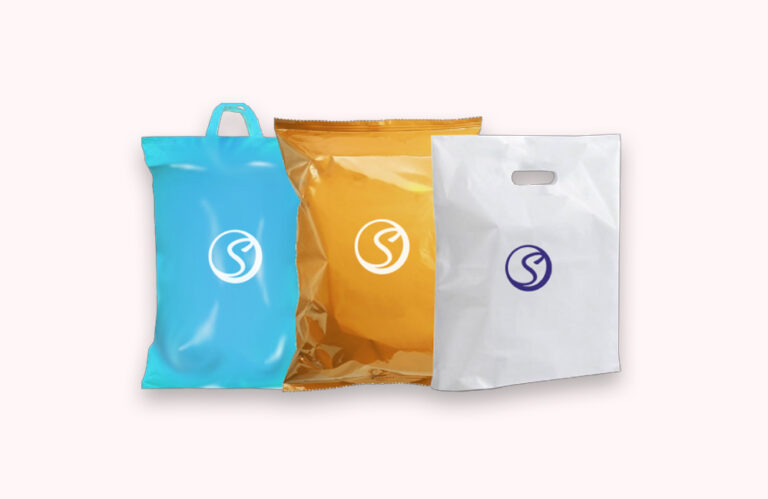
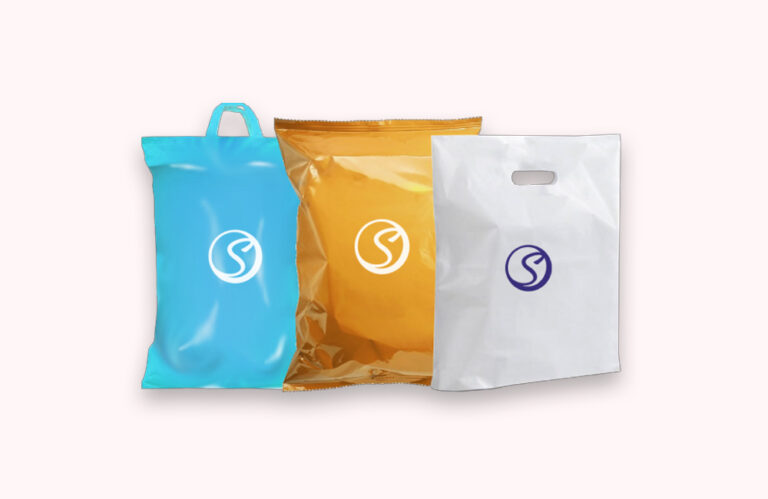
BOPP Laminated PP Woven Sacks/Bags are one of the most reliable and modern packaging solutions available today. These bags combine the strength of woven polypropylene with the advanced features of BOPP (Biaxially Oriented Polypropylene) film, creating packaging that is not only durable but also highly functional.

Unique Properties of BOPP Laminated Sacks

Polypropylene, the base material of these sacks, already offers strength, flexibility, and resistance. When enhanced with BOPP’s biaxial orientation technique, the bags gain additional properties such as:

  • High resistance to oil, grease, and moisture
  • Improved clarity and better printing quality for branding
  • Enhanced toughness and stiffness
  • Excellent low-temperature resistance
  • Flex crack and impact resistance

These features make BOPP Laminated PP Woven Sacks/Bags ideal for long-lasting product protection.

Materials Used in Manufacturing

The production of these sacks involves high-quality inputs such as Polypropylene Granules, PP Base Additive Compounds, and other co-polymers. For metallized versions, additional materials like Evaporation Boats are used. This ensures the final product meets industry standards while catering to diverse packaging needs.

Types of BOPP Films Used

Depending on the application, manufacturers produce different varieties of BOPP films:

  • Transparent BOPP Film
  • Matte BOPP Film
  • Metallized BOPP Film

There are also special grades available such as SIT films at 75°C, 85°C, 95°C, and 105°C, High Seal Strength films, Low COF BOPP films, and Smooth/Matte Release films. These variations make BOPP Laminated PP Woven Sacks/Bags versatile across industries.

Applications Across Industries

Thanks to their strength and print quality, these bags are widely used in food grains, sugar, flour, cement, fertilizers, animal feed, and chemical packaging. Their superior barrier properties against oxygen and water vapor help extend product shelf life, making them a preferred choice for both manufacturers and end-users.

Conclusion

In today’s competitive market, packaging plays a vital role in protecting products and promoting brands. BOPP Laminated PP Woven Sacks/Bags offer a perfect balance of strength, durability, and visual appeal. With multiple film grades and high customization options, they have become the go-to solution for businesses looking for long-lasting and reliable packaging.

PP Woven Fabric: Meaning, Properties & Applications Guide

PP Woven Fabric is strong, lightweight, and versatile-ideal for packaging, agriculture, and construction with high durability and wide industrial use.

PP Woven Fabrics are one of the most widely used packaging materials across various industries today. ‘PP’ stands for polypropylene, a thermoplastic polymer known for its strength, durability, and resistance to many external elements. When this material is woven into fabric using circular or flat looms, it creates what we know as PP Woven Fabrics.

Meaning of PP Woven Fabrics

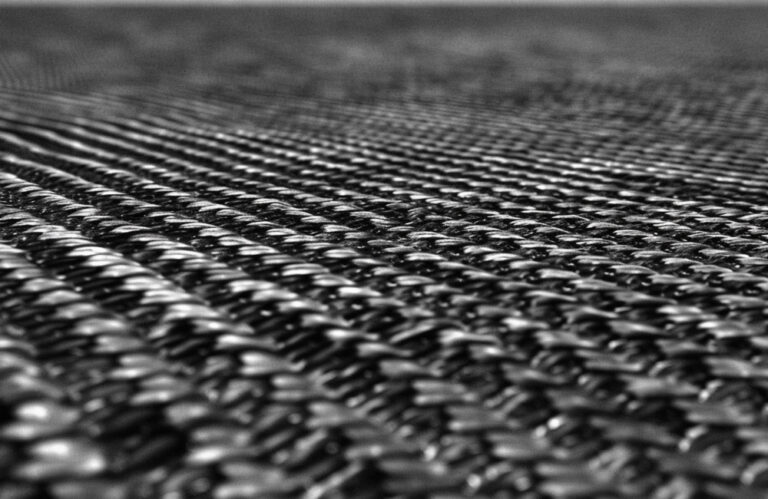
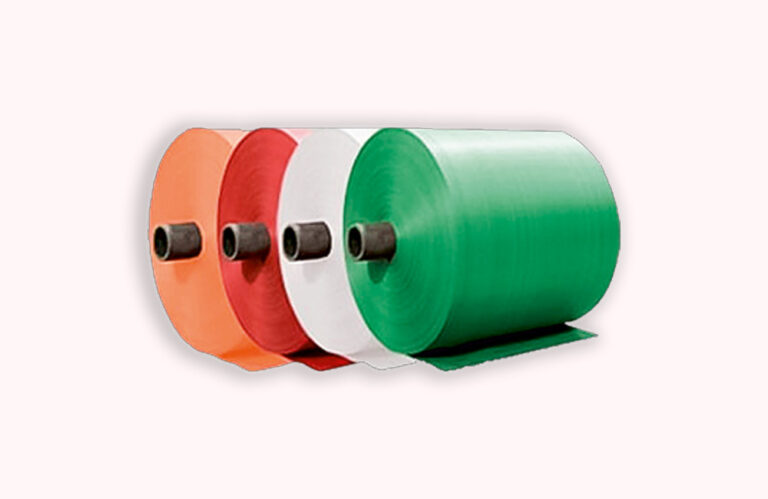
PP Woven Fabrics are made by weaving polypropylene tapes in a crisscross pattern, resulting in a strong yet lightweight fabric. These fabrics are known for their high tensile strength and ability to withstand heavy loads, making them an ideal choice for industrial and commercial packaging needs.

Key Properties of PP Woven Fabrics

PP woven fabrics offer an excellent strength-to-weight ratio, making them both exceptionally durable and lightweight. This combination simplifies handling and reduces transportation costs.. PP Woven Fabrics are also water-resistant, UV-stabilized (if required), and can be laminated for added protection against moisture and dust. Additionally, they are reusable, recyclable, and can be customized in various colors, prints, and sizes.

Applications of PP Woven Fabrics

PP Woven Fabrics have a wide range of applications across sectors like agriculture, construction, packaging, and logistics. They are commonly used for making bags to pack grains, fertilizers, sugar, cement, and animal feed. In the construction industry, PP Woven Fabrics are used as ground covers, barrier fabrics, and temporary fencing. Their strength and flexibility also make them suitable for tarpaulins, protective sheets, and even geo-textiles.

At Satyendra Packaging, we specialize in manufacturing high-quality PP Woven Fabrics tailored to meet your unique requirements. Whether you need them in roll form or as finished sacks, we ensure durability, consistency, and timely delivery with every order.

To sum it up, PP Woven Fabrics are a versatile, reliable, and economical solution for a wide range of packaging and industrial needs. With their outstanding properties and applications, they continue to play a vital role in modern-day packaging.

Are FIBCs Recyclable? A Guide to Sustainable Bulk Bags

Learn about the recyclability of FIBCs. Discover the recycling process, benefits, challenges, and best practices for sustainable waste management.

Understanding FIBCs: Are They Recyclable?

Flexible Intermediate Bulk Containers (FIBCs), also known as Big Bags or Bulk Bags, are widely used in industries such as agriculture, construction, and manufacturing for storing and transporting dry, flowable materials. Given their extensive use, an important question arises: Are FIBCs recyclable? Understanding their recyclability is essential for ensuring sustainable industrial practices.

Composition and Types of FIBCs

FIBCs are primarily made from woven polypropylene, a durable and reusable thermoplastic. They are available in various types, each designed for specific applications:

  • Type A: Made from plain polypropylene fabric, these bags provide no static protection and are unsuitable for flammable environments.
  • Type B: These have a lower breakdown voltage than Type A, reducing but not eliminating the risk of static buildup.
  • Type C: Constructed with conductive fabric and grounding threads, they can safely dissipate static electricity when properly grounded, making them ideal for handling flammable materials.

Are FIBCs Recyclable?

FIBCs are recyclable, but their ability to be reprocessed depends on their material composition and the type of substances they have stored. Polypropylene is a recyclable plastic, making FIBC bags an eco-friendly choice when handled correctly. However, if the bags are contaminated with hazardous materials, they may require special treatment before recycling.

Recycling Process of FIBCs

Recycling bulk bags involves several steps to ensure they are effectively repurposed:

  1. Collection:
    Used bags are gathered from various industries, with careful segregation to avoid contamination.
  2. Sorting and Inspection:
    Bags are examined to determine if they can be recycled or need special disposal.
  3. Shredding:
    The polypropylene fabric is cut into smaller pieces for easier processing.
  4. Washing:
    The shredded material is thoroughly cleaned to remove residues.
  5. Reprocessing:
    Clean polypropylene is melted and reformed into plastic pellets, which can be used to produce new FIBC bags or other plastic products.

Benefits of Recycling FIBCs

Recycling FIBCs contributes to environmental sustainability in several ways:

  • Conserves Resources: Reduces the need for virgin polypropylene, decreasing petroleum consumption.
  • Energy Efficiency: Recycled materials require less energy to process compared to raw materials.
  • Waste Reduction: Minimizes landfill waste, promoting a circular economy.

Challenges in FIBC Recycling

Despite the benefits, certain challenges exist:

  • Contamination Issues: Bags used for hazardous materials may not be suitable for recycling.
  • Economic Considerations: The cost of collecting and processing used bags can impact recycling feasibility.
  • Limited Infrastructure: Some regions lack adequate recycling facilities for bulk bags.

Best Practices for FIBC Recycling

To enhance the recyclability of FIBCs, businesses should:

  • Store and handle bulk bags properly to prevent contamination.
  • Clearly label bags to indicate their contents and recyclability.
  • Partner with a trusted manufacturer like Satyendra Packaging Limited., a leading FIBC bags manufacturer in India, to ensure sustainable disposal and repurposing options.

FIBCs, or Big Bags, are a recyclable and sustainable solution for bulk material handling when managed properly. By adopting responsible recycling practices and collaborating with experienced FIBC bag manufacturers, businesses can reduce waste and support environmental conservation. As industries shift towards greener alternatives, working with an environmentally conscious FIBC company can help enhance sustainability efforts.

Knitted Geotextiles: Game-Changer in Civil Engineering Solutions

Explore the versatility of knitted geotextile fabrics in civil engineering and environmental protection. Learn about their flexibility, durability, and applications.

Knitted Geo Textile Fabrics: Revolutionizing Civil Engineering and Environmental Protection

In the world of civil engineering and environmental protection, geotextiles play a critical role in improving the durability and performance of infrastructure. Among the various types of geotextiles, knitted geotextile fabrics have emerged as an innovative solution, providing a range of benefits for soil stabilization, erosion control, drainage systems, and more. Satyendra Packaging Limited crafted these fabrics through a unique knitting process, offering distinct advantages over traditional woven and non-woven geotextiles.

In this blog, we will explore the properties, applications, and benefits of knitted geotextile fabrics and why they are becoming a preferred choice in the construction and environmental sectors.

What Are Knitted Geo Textile Fabrics?

Knitted geotextile fabrics are produced using a specialized knitting process, where threads or yarns are interlocked in a consistent pattern to create a fabric. Unlike woven fabrics, which involve interlacing two sets of yarns at right angles, knitted fabrics are created by interlocking loops of yarn, resulting in a more flexible and stretchable material. This gives knitted geotextiles unique characteristics that make them suitable for specific applications in civil engineering and environmental protection.

Key Characteristics of Knitted Geo Textile Fabrics

  1. Flexibility and Stretchability One of the standout features of knitted geotextiles is their flexibility. The interlocking loops of yarn allow the fabric to stretch and conform to various shapes and surfaces. This characteristic is especially useful in applications where the fabric needs to accommodate movement or deformation, such as in erosion control projects or soil reinforcement.
  2. High Durability Knitted geotextiles are designed to withstand harsh environmental conditions. The knitted structure provides excellent tensile strength, making the fabric resistant to tearing and puncturing. This durability ensures that the fabric can endure the stresses and strains associated with heavy construction equipment, soil movement, and extreme weather conditions.
  3. Enhanced Drainage Properties The open structure of knitted fabrics promotes efficient water flow through the material, making them ideal for drainage applications. The fabric allows water to pass through while preventing soil erosion, which is particularly beneficial in applications such as road construction, embankments, and landfills.
  4. Lightweight Yet Strong Knitted geotextiles offer a balance of lightweight construction and strong performance. Their reduced weight makes them easier to handle and install, yet they still provide the strength needed to support large-scale infrastructure projects.
  5. Resistance to Chemical Degradation Geotextiles used in environmental protection must be able to withstand exposure to various chemicals, including oils, acids, and alkalis. Knitted geotextile fabrics are highly resistant to chemical degradation, making them suitable for use in industrial applications, landfills, and other environments where chemical exposure is a concern.

Applications of Knitted Geo Textile Fabrics

Knitted geotextile fabrics have a wide range of applications across various industries. Some of the most common uses include:

  1. Soil Stabilization and Reinforcement Knitted geotextiles are often used to reinforce weak or unstable soils, providing additional strength and stability. They are commonly used in road construction, railway embankments, and slope stabilization projects. The fabric helps distribute the load evenly, preventing soil movement and reducing the risk of erosion.
  2. Erosion Control Erosion is a significant concern in areas with heavy rainfall or wind, especially in coastal regions, riverbanks, and steep slopes. Knitted geotextiles are used to prevent soil erosion by stabilizing the soil surface and allowing vegetation to grow. The fabric provides a protective barrier that prevents soil from being washed away by water while allowing water to pass through.
  3. Drainage Systems The excellent drainage properties of knitted geotextiles make them ideal for use in drainage systems. They are commonly used in the construction of roadways, landfills, and retaining walls, where proper water management is crucial. The fabric helps facilitate water flow, preventing the accumulation of water that could compromise the integrity of the structure.
  4. Landfill Liners and Covers Knitted geotextiles are used in landfills to provide a protective layer that prevents the leakage of contaminants into the surrounding environment. The fabric serves as a barrier, ensuring that harmful substances do not seep into the soil or groundwater. Additionally, the drainage capabilities of knitted geotextiles help manage leachate and groundwater flow in landfill systems.
  5. Reinforced Concrete Structures In certain applications, knitted geotextiles are used to reinforce concrete structures, such as bridges, tunnels, and foundations. The fabric helps distribute the load more evenly, improving the strength and longevity of the structure. It also provides a protective layer against moisture and chemical degradation, extending the lifespan of the concrete.

Benefits of Using Knitted Geo Textile Fabrics

  1. Cost-Effectiveness Knitted geotextiles are often more cost-effective compared to other types of geotextiles, such as woven fabrics. Their lightweight nature reduces transportation and installation costs, making them an attractive option for large-scale projects.
  2. Environmental Sustainability The use of knitted geotextiles contributes to environmental sustainability. The fabric helps prevent soil erosion, protects natural resources, and promotes the growth of vegetation. Additionally, many knitted geotextiles are made from recycled materials, further reducing their environmental impact.
  3. Improved Performance and Longevity Knitted geotextiles are designed to perform well in challenging conditions, offering long-lasting durability and resistance to wear and tear. This reduces the need for frequent maintenance or replacement, making them a more reliable and cost-effective solution in the long term.
  4. Ease of Installation The lightweight nature of knitted geotextiles makes them easier to handle and install. They can be quickly deployed in a variety of applications, reducing labor costs and project timelines.

Knitted geotextile fabrics are a versatile and innovative solution for various civil engineering and environmental applications. Their flexibility, durability, and excellent drainage properties make them ideal for soil stabilization, erosion control, drainage systems, and more. As the demand for sustainable and cost-effective materials grows, knitted geotextiles are likely to play an even more significant role in shaping the future of infrastructure and environmental protection.

By incorporating knitted geotextiles into construction and environmental projects, industries can ensure the long-term stability and safety of their structures while contributing to a more sustainable and resilient future.

How Flexible Packaging Solutions Help to Grow Business

Discover how flexible packaging solutions like laminate bags and pouches enhance branding, cut costs, ensure sustainability, and protect products.

In today’s fast-paced world, packaging isn’t just about wrapping a product—it’s about creating an experience. Whether you’re in food, retail, or e-commerce, flexible packaging solutions are revolutionizing the way businesses operate, grow, and thrive. But how exactly does this type of packaging make a difference? Let’s dive in!

Lightweight and Cost-Effective

Traditional packaging can be bulky, expensive, and difficult to manage. Enter flexible packaging laminate bags and flexible packing pouches – lightweight, easy to transport, and cost-effective. These solutions reduce shipping costs, minimize material waste, and improve handling efficiency. Businesses save money, and customers enjoy hassle-free products.

Customization That Stands Out

In a crowded market, standing out is everything. Flexible packaging allows for vibrant designs, customizable shapes, and sizes that cater to your branding needs. As leading flexible packaging manufacturers like Satyendra Group offer advanced printing and lamination technologies, businesses can create visually striking products that grab attention on shelves. Whether it’s a laminating pouch film manufacturer providing premium finishes or unique shapes for packaging, customization drives customer appeal and loyalty.

Better Product Protection

Durability and freshness are key for any product. Flexible packaging solutions—like flexible packaging laminate bags – offer excellent barrier properties that protect against moisture, light, and contaminants. Whether you’re packing food, pharmaceuticals, or electronics, this ensures products remain intact and fresh for longer, reducing waste and improving customer satisfaction.

Sustainability Drives Growth

Modern consumers are eco-conscious, and businesses need to adapt. Flexible packaging uses fewer raw materials compared to rigid alternatives, making it a greener option. Many flexible packaging suppliers are now offering recyclable and sustainable solutions, helping businesses align with environmental goals and win over eco-friendly customers.

Versatility Across Industries

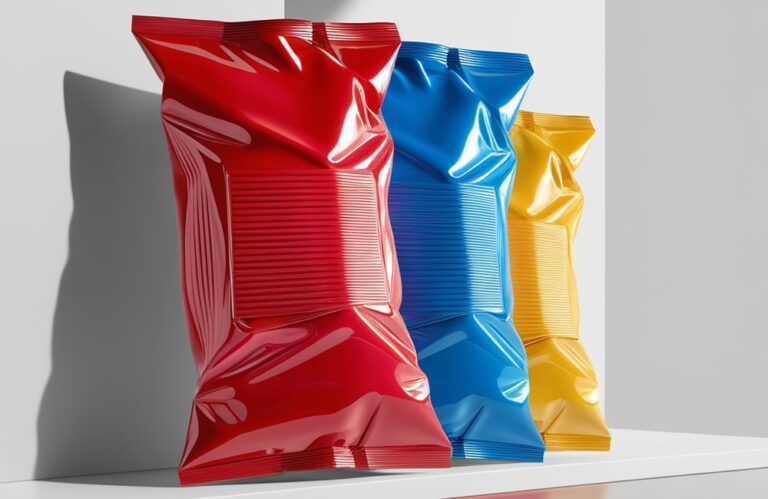
From food to healthcare, flexible packaging fits all industries. A flexible packing pouch can hold snacks, liquids, powders, or personal care products, offering unmatched versatility. This adaptability allows businesses to explore new markets and expand their product range effortlessly.

Choosing the right packaging partner matters. As a trusted flexible packaging supplier, Satyendra Group delivers solutions that combine innovation, quality, and sustainability. Flexible packaging is a strategy for business growth, not merely a fad. It protects your product, enhances your brand, and delights your customers, all while keeping costs low.

So, if you’re ready to take your business to the next level, flexible packaging is the way forward!

FIBC Bags: The Versatile Solution for Bulk Material Handling

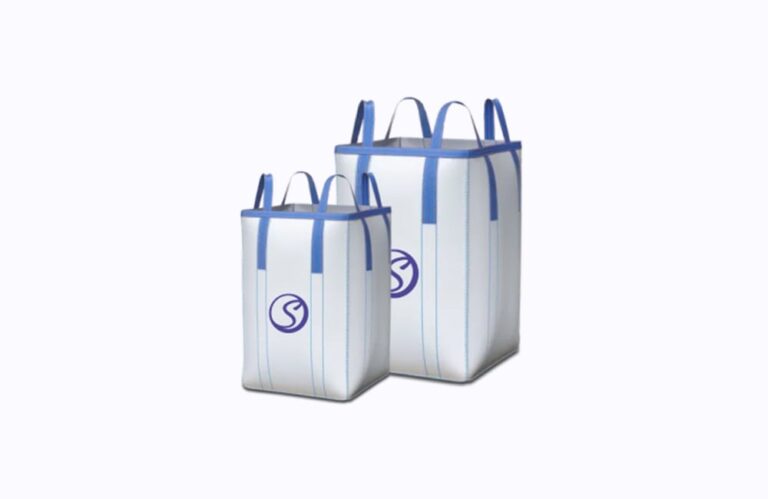
Let’s talk about Flexible Intermediate Bulk Containers, or as most of us know them, FIBC bags. These tough, versatile bags are like the workhorses of the packaging world, used in all sorts of industries. Made primarily from woven polypropylene, they’re perfect for storing and moving large quantities of dry materials. From agriculture to pharmaceuticals, FIBCs have a special place in many sectors. So, let’s dive into the different types of FIBC bags, what they’re used for, and the many perks they offer.

Different Types of FIBC Bags

FIBC Bags come in a variety of designs, and each type is made to fit specific needs. Choosing the right one depends on factors like how much the product weighs, how it will be handled, and what storage conditions are like.

Four-loop FIBCs are super popular. If you’re transporting heavy loads like grains or powders, these are your go-to bags.

Additionally, FIBCs can be classified based on their loop configuration: single-loop or double-loop. With fewer lifting points, they make handling even simpler. These bags are great for agricultural and construction tasks, perfect for carrying sand, cement, and fertilizers.

Then there are U-panel and circular FIBCs. U-panel bags are stitched from three pieces of fabric, giving them extra strength, while circular bags are woven in a seamless, cylindrical shape, which helps prevent spills and keeps their shape when filled.

If you’re storing fresh produce like potatoes or onions, you’d want to look at ventilated FIBCs. They’re designed to allow airflow, which helps keep those perishable goods fresh and prevents spoilage.

Now, baffle bags, or Q-bags, have internal baffles that help them hold a square shape when filled. This design makes them perfect for maximizing storage space and improving stability during transport.

For industries dealing with sensitive or flammable materials, conductive and anti-static FIBCs are a must. These bags prevent static electricity from building up, ensuring safe handling of chemicals and pharmaceuticals.

And if you’re transporting hazardous materials, you’ll want UN-certified FIBCs. These bags meet strict United Nations safety standards and undergo thorough testing to ensure they’re safe for transporting dangerous goods.

Where FIBC Bags Are Used

So, where can you find these handy bags?

In the agriculture and food industry, they transport grains, seeds, flour, sugar, and animal feed. Ventilated bags help maintain the freshness of produce, while food-grade FIBCs follow strict hygiene standards for safe handling.

The chemical and pharmaceutical industries rely on them to move powdered chemicals, minerals, and resins. Conductive FIBCs are vital for preventing static buildup, making them suitable for flammable substances. You’ll also find specialized FIBCs for bulk transport of active pharmaceutical ingredients.

In construction and mining, FIBCs are used for transporting sand, cement, gravel, and aggregates. Their robust design and high load capacity make them perfect for moving raw materials, while mining companies use them for efficiently transporting minerals and ores.

FIBCs are key in waste management and environmental operations, too. They help manage waste, sludge, and hazardous materials. UN-certified FIBCs ensure compliance with international regulations, while recycling facilities effectively use them to collect recyclables.

Lastly, the petrochemical and resin industries benefit from FIBCs for moving resins, polymers, and plastic granules. Anti-static FIBCs are crucial in preventing static-related incidents.

Why Choose FIBC Bags?

FIBCs come with a whole bunch of benefits that make them an ideal choice for bulk handling. Let’s take a look:

Cost-effectiveness is a big one. Because they’re lightweight, FIBCs can help reduce transportation costs compared to other packaging options. Plus, they’re reusable, which means long-term savings and a more eco-friendly approach.

These bags are highly customizable as well. You can tailor them to specific dimensions and load capacities, ensuring you get the perfect fit for your needs. Their adaptability to various sectors is increased by features like liners, baffles, and anti-static coatings.

Another benefit is space optimization. Baffle bags and circular designs hold their shape, making stacking and storage efficient. When they’re not in use, they can be folded flat, taking up minimal storage space.

Handling and transport are made easy with FIBCs, thanks to their lifting loops that work with cranes, forklifts, or hoists. Many bags come with spouts or discharge ports, simplifying the filling and emptying process, which can save on labor costs.

Strength and durability are also key features of FIBCs. Some can carry up to 2,000 kg and are resistant to moisture, UV rays, and temperature fluctuations, making them reliable for outdoor storage and transport.

On top of that, FIBCs are environmentally friendly. They are recyclable, helping reduce waste and lessen environmental impact. Their reusability also supports eco-friendly practices by cutting down on single-use packaging.

Finally, FIBCs help businesses meet regulatory compliance in industries with strict safety and hygiene standards. UN-certified and food-grade bags follow strict regulations to guarantee the safe transportation and storage of hazardous materials and food items.

FIBC bags have truly transformed bulk handling practices across a multitude of industries, combining strength, adaptability, and cost-effectiveness. Their versatility makes them essential in agriculture, construction, chemicals, and much more. As businesses continue to seek sustainable and efficient packaging solutions, the demand for specialized FIBCs is likely to grow.

By Choosing Satyendra Packaging Limited you will find the right type of FIBC tailored to their specific product needs and industry regulations, companies can streamline operations and ensure safe transport. With benefits like reusability, environmental advantages, and adherence to regulatory standards, FIBCs are indeed a vital asset in today’s logistics and supply chain management.

Why BOPP Laminated PP Woven Bags Are Right For Your Business?

Ever found yourself juggling between choosing the right packaging for your products and making sure it doesn’t break the bank? If you’re nodding along, let’s talk about a secret weapon that’s been making waves in the packaging world: BOPP laminated PP woven bags. These bags aren’t just a trend; they’re a game-changer for businesses looking for durability, style, and cost-effectiveness.

Built to Last

Let’s face it—nobody wants to deal with packaging that falls apart before it even reaches its destination. That’s where BOPP laminated PP woven sacks come into play. These bags are tough as nails, thanks to the fusion of polypropylene (PP) and a shiny BOPP (Biaxially Oriented Polypropylene) film. They can handle heavy loads and rough treatment like a pro. So, if you’re in agriculture, construction, or any field where durability is key, these bags will be your new best friend.

Your Brand’s Best Canvas

Imagine your product arriving in a bag that looks as good as it performs. With BOPP laminated woven bags, you’re not just getting any old packaging—you’re getting a high-resolution, vibrant canvas that makes your brand stand out. The BOPP film creates a smooth surface that makes colors pop and details crisp. It’s like giving your brand its own billboard, right on the bag!

Wallet-Friendly Wonders

Who doesn’t enjoy getting great quality without breaking the bank? BOPP laminated PP woven bags offer both durability and cost-efficiency. They’re lightweight yet robust, so you spend less on shipping and extra padding. It’s the perfect blend of quality and economy—making your packaging budget stretch further without skimping on performance.

Green and Clean

In today’s environmentally aware world, opting for sustainable choices is more crucial than ever. These BOPP laminated bags are not only tough but also recyclable. By opting for these bags, you’re doing your bit for the planet and showing your customers that you care about the environment. It’s a win-win situation!

Tailored Just for You

Need a bag that’s just right for your unique needs? BOPP laminated PP woven sacks offer incredible versatility. They come in all shapes, sizes, and designs, so you can find the perfect fit for whatever you’re packing. Plus, working with a reliable BOPP laminated woven bags supplier means you get all the customizations you need to make your packaging truly yours.

Partner with the Pros

When you’re ready to dive into the world of BOPP laminated woven bags, teaming up with the right manufacturers and exporters is crucial. You want to work with experts who ensure top-quality production and cutting-edge technology. Trustworthy BOPP laminated woven sacks manufacturers and exporters will ensure you get bags that meet your high standards and your business’s needs.

In a nutshell, BOPP laminated PP woven bags offer a stellar mix of durability, visual appeal, cost savings, and environmental friendliness. They’re more than just a packaging option—they’re a savvy business choice. So why not try them and see how they can transform your packaging game?

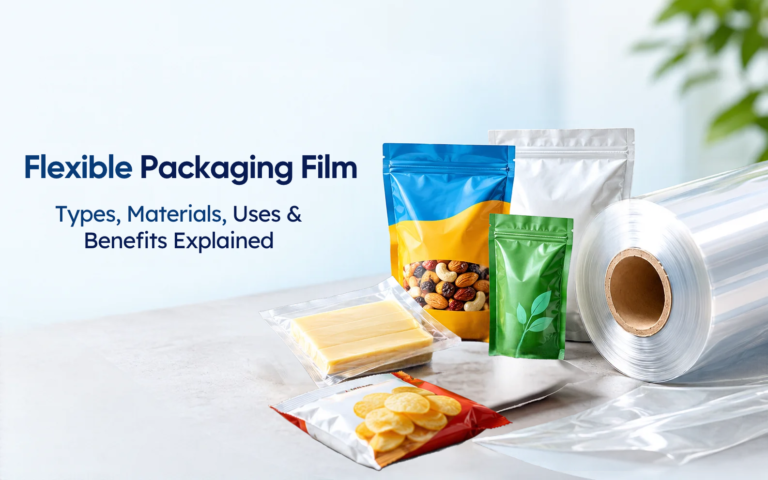
Flexible Packaging Film: Types, Materials, Uses & Benefits Explained

If you have ever launched a new product, selected packaging materials, or worked with a packaging manufacturer, you have probably come across this question: “Which flexible packaging film is right for my product?” At first glance, packaging films may seem similar. They come in different thicknesses, finishes, and material combinations. But in reality, each type offers different levels of strength, flexibility, moisture resistance, printability, and product protection. Think about the last snack packet, detergent pouch, or food wrapper you used. The packaging film helped protect the product, preserve its quality, and make the storage and transportation much easier. That’s why The right material can also improve shelf appeal and reduce unnecessary packaging weight. That’s why manufacturers use to carefully evaluate flexible packaging films before finalising their packaging structure. Materials such as BOPP, PET, PE, and CPP each serve specific packaging requirements across food, pharmaceutical, personal care, and industrial applications. As demand grows for lightweight, cost-effective, and resource-efficient packaging, choosing the right film has become increasingly important for businesses. Let’s explore the types, materials, uses, and benefits of flexible packaging film.

What Is Flexible Packaging Film?

Flexible packaging film is a thin, flexible material which is used to wrap, protect, store, and transport products across various industries. It is commonly manufactured from plastic polymers such as polyethylene (PE), polypropylene (PP), polyester (PET), and BOPP. These films can also be used individually or combined into multiple layers to achieve specific properties, including moisture resistance, oxygen barriers, heat sealability, and durability. Flexible packaging films are widely used in food packaging, pharmaceutical products, personal care items, and industrial goods because they offer lightweight protection, efficient storage, and versatile printing options.

Types of Flexible Packaging Film That Are Being Used in Packaging

Flexible packaging films are available in different materials, each designed to meet specific product protection, shelf-life, printing, and sealing requirements. Here are 10 commonly used types of flexible packaging film and their applications.

1. Polyethylene (PE) Film

Polyethylene film is widely used because of its major features like flexibility, moisture resistance, and excellent heat-sealing properties. It is commonly used in shopping bags, milk pouches, detergent packaging, frozen food bags, and laminated packaging structures.

2. BOPP Film

Biaxially Oriented Polypropylene (BOPP) film offers excellent clarity, stiffness, printability, and moisture resistance. It is also popular for packaging used for products like snack packets, biscuit wrappers, confectionery packaging, and product labels.

3. CPP Film

Cast Polypropylene (CPP) film provides a good heat-sealing performance, with flexibility, and resistance to tearing. This film is widely used in food packaging, bakery products, textile packaging, and as a sealing layer in multilayer packaging.

4. PET Film

Polyethylene Terephthalate (PET) film is known for its high strength, dimensional stability, transparency, and it’s durability. It is commonly used in laminated pouches, beverage packaging, ready-to-eat food packs, and pharmaceutical packaging.

5. Nylon / Polyamide Film

Nylon film offers excellent puncture resistance, toughness, and flexibility. This is particularly suitable for vacuum packaging, meat products, cheese packaging, and applications that require high protection against mechanical damage.

6. EVOH Film

Ethylene Vinyl Alcohol (EVOH) film provides an excellent oxygen and aroma barrier properties. This film is mostly incorporated into multilayer packaging for processed foods, meat products, dairy items, and products requiring extended shelf life.

7. Metallized Film

Metallized film also features a thin metal coating, usually aluminium, that improves light, moisture, and oxygen barrier performance. It is widely used for chips, coffee, confectionery, and premium snack packaging.

8. PVC Film

Polyvinyl Chloride (PVC) film offers transparency, flexibility, and cling properties. It is used in selected food wraps, shrink packaging, and retail product packaging, depending on application-specific regulations.

9. Paper-Based Flexible Film

Paper-based flexible packaging combines paper with barrier coatings or other materials to improve functionality. It is used for tea bags, dry food pouches, sachets, and sustainable packaging applications.

10. High-Barrier Flexible Film

High-barrier films combine multiple materials or specialised coatings to minimise oxygen, moisture, and light transmission. They are suitable for pharmaceuticals, coffee, sensitive food products, and other applications requiring enhanced product protection.

Uses of Flexible Packaging Film

Flexible packaging film is used across a wide range of industries because it offers lightweight protection, convenient storage, efficient transportation, and versatile printing options. From everyday food products to sensitive pharmaceutical goods, the right packaging film helps maintain product quality while meeting specific storage and handling requirements.

1. Food Packaging

Flexible packaging film is widely used for chips, biscuits, frozen foods, spices, snacks, dairy products, and ready-to-eat meals. Materials such as BOPP, PET, and PE help provide moisture resistance, sealing performance, and freshness protection.

2. Beverage Packaging

Packaging films are used in juice pouches, liquid sachets, milk packaging, and beverage concentrate packs. Multilayer films help prevent leakage and maintain product quality during storage and distribution.

3. Pharmaceutical Packaging

Pharmaceutical manufacturers use flexible films for medicine sachets, strip packaging, powder pouches, and medical product packaging. High-barrier films help protect sensitive products from moisture, oxygen, and contamination.

4. Personal Care and Cosmetics

Shampoo sachets, face mask packs, cosmetic refill pouches, and skincare sample packaging commonly use flexible films for product protection and attractive presentation.

5. Home Care Products

Detergent powders, liquid cleaners, fabric conditioners, and household cleaning products use flexible packaging films for convenient handling and secure sealing.

6. Agriculture and Agrochemical Packaging

Flexible films are used for fertiliser bags, pesticide sachets, seed packaging, and agricultural chemical pouches, with material selection based on product compatibility and safety requirements.

7. Industrial Packaging

Industrial applications include protective liners, component bags, chemical pouches, and packaging for raw materials. Overall, flexible packaging film helps businesses improve product protection, storage efficiency, and packaging performance across diverse applications.

Benefits of Flexible Packaging Film

Flexible packaging film offers several advantages for manufacturers, retailers, and consumers. Its combination of lightweight materials, protective properties, printing flexibility, and adaptable formats makes it a practical solution for packaging products across multiple industries.

1. Lightweight

Flexible films weigh less than many rigid packaging materials, helping reduce packaging weight and improve handling efficiency.

2. Cost-Effective

Lower material requirements and efficient production processes can help businesses manage packaging costs and reduce distribution expenses.

3. Excellent Product Protection

Depending on the material structure, flexible films protect products against moisture, dust, oxygen, light, and external contamination.

4. Extended Shelf Life

Barrier films help preserve freshness, flavour, aroma, and product quality by limiting exposure to environmental factors.

5. High-Quality Printing

Flexible packaging films support vibrant colours, sharp graphics, and detailed product information, helping brands create attractive shelf presentations.

6. Flexible Packaging Formats

These films can be converted into pouches, sachets, wrappers, bags, roll stock, and laminated packaging structures for different requirements.

7. Easy Storage and Transportation

Their lightweight, compact formats can improve warehouse utilisation and simplify product transportation.

8. Consumer Convenience

Features such as resealable closures, easy-tear openings, and portion-sized sachets make products easier to use and store.

9. Customization

Manufacturers can customise film thickness, dimensions, finishes, barrier properties, and printing according to product specifications.

10. Material Efficiency

Flexible packaging can use less material than some rigid alternatives, reducing packaging weight. Actual material savings depend on the product and packaging design. Overall, flexible packaging film helps businesses balance product protection, visual appeal, operational efficiency, and cost management while meeting diverse packaging requirements.

Conclusion:

However, choosing the right flexible packaging film requires careful consideration of product compatibility, barrier performance, durability, printing requirements, and budget. Looking for reliable flexible packaging solutions for your business? Connect with SatyendraPackagingLtd. to explore packaging materials and solutions that align with your product requirements, operational needs, and quality expectations. As packaging technology continues to evolve, businesses must also consider material efficiency, recyclability, and sustainability when selecting packaging structures. The right choice can help manufacturers protect their products while improving packaging performance throughout the supply chain.
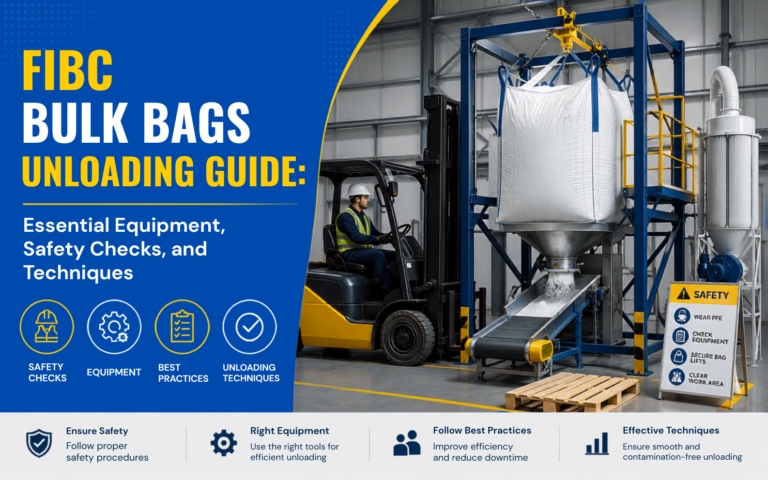
FIBC Bulk Bags Unloading Guide: Essential Equipment, Safety Checks, and Techniques

Efficient unloading is one of the most critical stages in the FIBC (Flexible Intermediate Bulk Container) supply chain. A poorly managed unloading process can lead to product contamination, material loss, workplace injuries, and costly production delays. As industries such as chemicals, food processing, agriculture, pharmaceuticals, and construction continue to rely on bulk packaging, the demand for safer and more efficient unloading systems is growing rapidly. According to recent market research, the global FIBC market is expected to surpass USD 9 billion within the next decade, driven by increasing demand for cost-effective bulk material handling solutions across industrial sectors. ( source: FIBC Market Report by Grand View Research ) Whether handling powders, granules, minerals, or food ingredients, selecting the right unloading equipment and following strict safety procedures can significantly improve operational efficiency. This guide explores essential FIBC bulk bag unloading equipment, pre-operation safety checks, proven unloading techniques, and industry best practices that help businesses minimize risks, reduce downtime, and maintain a smooth material flow throughout the unloading process.

Why Proper FIBC Bag Unloading Matters?

a) Workplace Safety Benefits

Proper unloading procedures reduce the risk of bag collapse, dust exposure, falling materials, and operator injuries. Using the right equipment and safety checks creates a safer working environment.

b) Operational Efficiency

Efficient unloading minimizes material wastage, prevents production delays, and ensures a continuous flow of bulk materials. This helps businesses maintain productivity and meet operational targets.

c) Product Quality Protection

Incorrect unloading can contaminate products with dust, moisture, or foreign particles. Controlled unloading methods preserve product integrity, especially in food, pharmaceutical, and chemical industries.

d) Equipment Longevity

Overloading, improper handling, and sudden material discharge can damage unloading stations and conveying systems. Following recommended unloading practices reduces wear and tear, lowers maintenance costs, and extends equipment lifespan.

Essential Equipment for FIBC Bulk Bag Unloading

Efficient FIBC bulk bag unloading depends on using the right equipment for safe handling and consistent material flow.

i) Bulk Bag Unloading Stations

These stations provide a secure framework for holding bulk bags during discharge. They improve operator safety and ensure controlled material release.

ii) Forklifts and Hoists

Forklifts and electric hoists are commonly used to lift and position FIBC bags onto unloading stations. Choosing equipment with adequate load capacity is essential for safe operations.

iii) Bag Lifting Frames and Cross Beams

Lifting frames and cross beams evenly distribute the bag’s weight, reducing stress on lifting loops and minimizing the risk of damage during handling.

iv) Bulk Bag Conditioners

Conditioners help break up hardened or compacted materials inside the bag. They are particularly useful for powders and materials that tend to solidify during storage or transportation.

v) Vibratory Flow Aids

These devices use controlled vibration to improve material movement and prevent bridging or rat-holing within the bag, ensuring a smooth discharge process.

vi) Bag Massagers

Bag massagers apply gentle pressure to the sides of the FIBC, loosening compacted contents and improving flow without damaging the bag structure.

vii) Dust Collection Systems

Dust collectors capture airborne particles generated during unloading. They help maintain workplace cleanliness, improve air quality, and support compliance with safety regulations.

viii) Feeding and Conveying Equipment

Screw conveyors, pneumatic conveyors, and feeders transport discharged materials to the next stage of production. Proper integration of conveying systems reduces manual handling and increases process efficiency. Together, these equipment solutions create a safer, cleaner, and more productive bulk material handling operation.

Step-by-Step FIBC Bulk Bag Unloading Process

Step 1: Prepare the Unloading Area

Before unloading begins, inspect the work area for hazards, ensure sufficient space for equipment movement, and verify that all unloading systems are clean and operational. Operators should wear the required personal protective equipment (PPE).

Step 2: Position the Bulk Bag Correctly

Move the FIBC bag to the unloading station using a forklift or hoist. Align the bag properly to ensure stable lifting and accurate placement above the discharge point.

Step 3: Lift and Secure the Bag

Attach the lifting loops to the designated lifting frame or cross beam. Raise the bag carefully and secure it according to equipment guidelines to prevent shifting during discharge.

Step 4: Connect the Discharge Spout

Locate the bag’s discharge spout and securely connect it to the receiving hopper, feeder, or conveyor system. Proper sealing helps minimize dust generation and product loss.

Step 5: Begin Controlled Discharge

Gradually open the discharge spout to allow material to flow at a controlled rate. Avoid sudden opening, which can cause surges, spills, or equipment strain.

Step 6: Monitor Material Flow

Observe the discharge process continuously. If material bridging, clogging, or uneven flow occurs, use approved flow aids such as vibrators or bag massagers to restore movement safely.

Step 7: Empty Residual Material

Once most of the material has discharged, inspect the bag for remaining contents. Gently use conditioning equipment or flow aids to release residual material and maximize product recovery.

Step 8: Remove and Dispose of the Empty Bag

After complete discharge, disconnect the spout and lower the empty bag carefully. Follow facility procedures for recycling, reuse, or disposal. A final inspection of the unloading area ensures cleanliness, safety, and readiness for the next bulk bag operation.

Conclusion:

Efficient FIBC bulk bag unloading is more than simply emptying a container—it is a critical process that directly impacts workplace safety, product quality, operational efficiency, and equipment performance.  By selecting the right unloading equipment, conducting thorough safety inspections, and following proven unloading techniques, businesses can minimize material loss, reduce downtime, and maintain a safer working environment. Whether handling food ingredients, chemicals, minerals, or agricultural products, a well-designed unloading system helps ensure smooth and consistent material flow throughout the production process. Companies that invest in proper unloading practices often achieve better productivity and lower maintenance costs over time. If you’re looking for high-quality FIBC bulk bags designed for durability, safety, and reliable bulk material handling, consider partnering with Satyendra Packaging Ltd. (SPL). With industry expertise and advanced manufacturing capabilities, SPL provides packaging solutions that support efficient storage, transportation, and unloading operations across diverse industries.

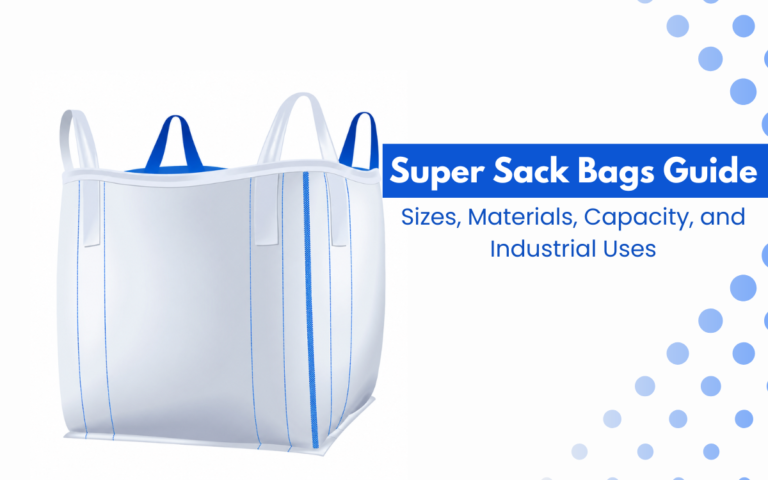
Super Sack Bags Guide: Sizes, Materials, Capacity, and Industrial Uses

Bulk material handling has become a critical part of modern industries, with manufacturers constantly looking for packaging solutions that improve efficiency, reduce waste, and lower transportation costs. This is where Super Sack Bags, also known as Flexible Intermediate Bulk Containers (FIBCs), play a vital role. According to a report by Grand View Research, the global FIBC market was valued at USD 5.64 billion in 2024 and is projected to reach USD 9.69 billion by 2033, driven by increasing demand from agriculture, food processing, chemicals, pharmaceuticals, construction, and mining sectors. Designed to store and transport large quantities of dry, flowable materials, Super Sack Bags offer high load-bearing strength, space-saving storage, and cost-effective logistics compared to traditional packaging methods. However, selecting the right bag requires understanding key factors such as size, material type, weight capacity, safety standards, and intended industrial application. This guide covers everything you need to know about Super Sack Bags, including available sizes, fabric materials, carrying capacities, and their most common industrial uses. Whether you are managing bulk grain, chemicals, minerals, or food ingredients, this comprehensive guide will help you choose the most suitable FIBC solution for improved operational efficiency and product protection.

What Are Super Sack Bags?

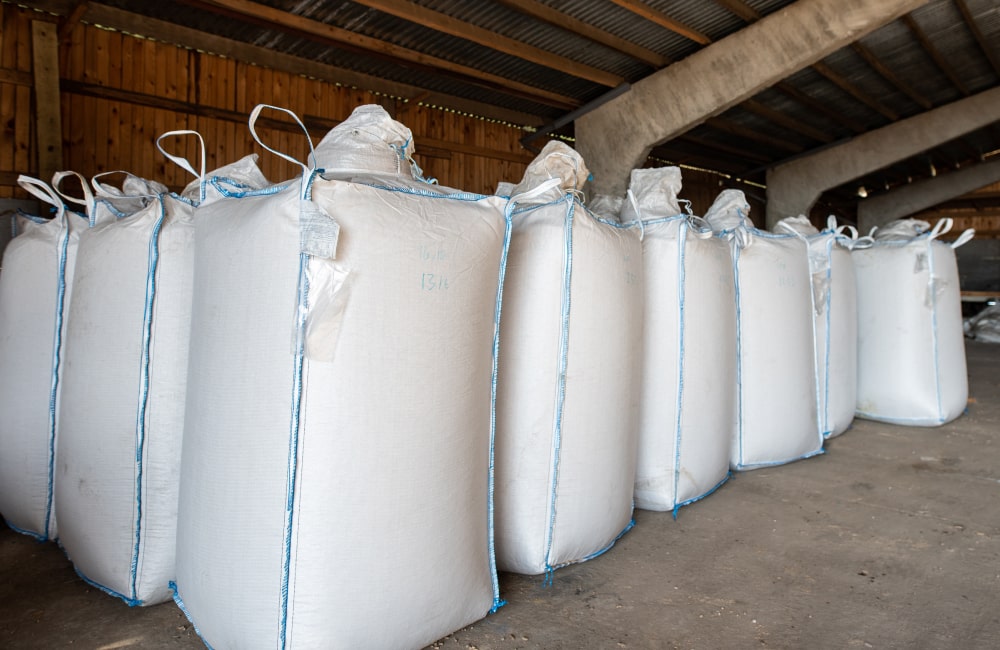
Super Sack Bags, commonly known as Flexible Intermediate Bulk Containers (FIBCs), are large industrial-grade bags designed for storing, handling, and transporting bulk dry materials. Manufactured from woven polypropylene fabric, these bags offer exceptional strength, durability, and load-bearing capacity while remaining lightweight and cost-effective.  Super Sack Bags are widely used across industries such as agriculture, food processing, chemicals, pharmaceuticals, construction, and mining for moving products like grains, powders, fertilizers, minerals, and aggregates. Available in various sizes and configurations, they can typically carry between 500 kg and 2,000 kg of material, making them an efficient solution for bulk packaging and logistics operations.

Why Industries Switched to Super Sacks?

As industries expanded production and supply chain operations, traditional packaging methods often became costly, labor-intensive, and inefficient. Super Sack Bags emerged as a practical solution for handling large volumes of materials while improving overall operational efficiency.

a) Reduced Labor Costs

Super Sacks can hold hundreds or even thousands of kilograms of material in a single bag. This reduces the need for handling multiple smaller bags, lowering manual labor requirements and minimizing loading and unloading time.

b) Improved Transportation Efficiency

The high-capacity design of FIBC bags allows more material to be transported per shipment. Their lightweight construction also helps reduce packaging weight, resulting in lower freight costs and improved logistics performance.

c) Better Warehouse Utilization

Designed for stacking and space optimization, Super Sack Bags help maximize storage capacity. Their flexible structure occupies less space when empty and allows efficient inventory management. For these reasons, Super Sacks have become a preferred bulk packaging solution across manufacturing, agriculture, food processing, chemical, and construction industries.

Types of Super Sack Bags

Super Sack Bags are available in different categories based on their ability to handle static electricity and the environments in which they are used. Choosing the right FIBC type is essential for safety, compliance, and efficient material handling.

1. Type A FIBC Bags

Type A bags are made from standard woven polypropylene fabric without any anti-static properties. They are suitable for transporting non-flammable products in environments where combustible dust or gases are not present.

2. Type B FIBC Bags

Type B bags are similar to Type A but are designed with low breakdown voltage properties. They help prevent highly energetic brush discharges, making them suitable for handling dry, combustible powders. However, they should not be used around flammable gases or solvents.

3. Type C Conductive Bags

Also known as groundable FIBCs, Type C bags contain conductive threads woven into the fabric. These bags must be properly grounded during filling and discharge operations to safely dissipate static electricity and reduce the risk of sparks.

4. Type D Anti-Static Bags

Type D bags are manufactured using static-dissipative fabrics that safely release electrostatic charges into the atmosphere. Unlike Type C bags, they do not require grounding, making them a convenient and safe choice for handling combustible materials in sensitive industrial environments.

Super Sack Bag Sizes

Super Sack Bags are available in various dimensions to accommodate different material volumes, storage requirements, and transportation needs. Selecting the right size helps maximize efficiency while reducing handling and logistics costs.

Small Super Sack Sizes (35 × 35 × 35 Inches)

These compact FIBC bags are ideal for lower-volume applications and facilities with limited storage space. They are commonly used for specialty powders, seeds, food ingredients, and smaller bulk material shipments.

Medium Super Sack Sizes (35 × 35 × 50 Inches)

Medium-sized Super Sacks offer a balance between capacity and maneuverability. They are widely used across agriculture, food processing, chemical, and manufacturing industries for storing and transporting bulk products efficiently.

Large Super Sack Sizes (42 × 42 × 60 Inches)

Large FIBC bags provide higher storage capacity and are suitable for handling heavy materials such as minerals, aggregates, fertilizers, grains, and industrial raw materials. Their larger volume helps reduce packaging and transportation costs.

Custom Super Sack Sizes (Height × Width Variations)

For unique operational requirements, manufacturers can customize bag dimensions, capacity, and design features to meet specific material handling, storage, and shipping needs.

Industrial Uses of Super Sack Bags

Super Sack Bags have become an essential bulk packaging solution across multiple industries due to their high capacity, durability, and cost-effective material handling capabilities.

Agriculture Industry

Used for storing and transporting grains, seeds, fertilizers, animal feed, and other agricultural products.

Construction Industry

Ideal for handling sand, cement, gravel, aggregates, and construction waste on project sites.

Food Industry

Widely used for bulk packaging of flour, sugar, rice, starch, spices, and other food-grade ingredients.

Chemical Industry

Suitable for transporting powders, resins, pigments, fertilizers, and various industrial chemicals safely.

Pharmaceutical Industry

Used for storing and moving pharmaceutical raw materials, powders, and active ingredients under controlled conditions.

Mining Industry

Helps transport minerals, ores, coal, and other extracted materials efficiently from mining locations.

Recycling Industry

Commonly used for collecting, storing, and transporting recyclable materials such as plastic scraps, metal pieces, and paper waste.

Plastic Manufacturing Industry

Essential for handling plastic granules, polymers, resin pellets, and raw materials used in production processes. Their versatility, strength, and logistical advantages make Super Sack Bags a preferred choice for modern industrial operations worldwide.

Advantages of Using Super Sack Bags

Super Sack Bags have become a preferred bulk packaging solution because they improve efficiency while reducing operational costs across various industries.

Reduced Packaging Costs

A single Super Sack can replace multiple smaller bags, lowering packaging material and handling expenses.

Easy Transportation

Their high-capacity design allows large quantities of materials to be moved in fewer shipments, improving logistics efficiency.

Space Optimization

Super Sack Bags utilize warehouse space effectively and can be stored compactly when empty.

Improved Worker Safety

Designed for forklift and lifting equipment handling, they reduce manual lifting and help minimize workplace injuries.

Lower Product Wastage

Durable woven polypropylene construction protects materials from contamination, spills, and product loss during storage and transport.

Stackability Benefits

Many FIBC designs can be stacked safely, helping businesses maximize storage capacity and maintain organized inventory management.

Reusability Features

Certain Super Sack Bags are designed for multiple uses, making them a cost-effective and environmentally responsible packaging option. With their durability, flexibility, and operational benefits, Super Sack Bags continue to support safer, more efficient, and more economical bulk material handling across industries worldwide.

How to Choose the Right Super Sack Bag Manufacturer/Supplier?

Selecting the right Super Sack Bag supplier is crucial for product quality, safety, and long-term reliability. Look for manufacturers with proven industry experience, quality certifications, and compliance with international FIBC standards. Evaluate their customization capabilities, production capacity, material quality, and testing procedures.  A reliable supplier should also offer technical support, competitive pricing, and consistent delivery schedules. Reading customer reviews and reviewing past projects can help ensure you partner with a manufacturer that meets your specific bulk packaging requirements.

Conclusion:

Super Sack Bags have transformed bulk material handling by offering a durable, cost-effective, and highly efficient packaging solution for industries ranging from agriculture and food processing to chemicals, mining, and construction. Understanding the different FIBC types, sizes, materials, load capacities, and industrial applications is essential for selecting the right bag for your operational needs. The right choice can improve workplace safety, reduce transportation costs, optimize warehouse space, and minimize product wastage. If you are looking for reliable, high-quality Super Sack Bags tailored to your business requirements, Satyendra Packaging Ltd. can help. With extensive industry expertise, advanced manufacturing capabilities, and a commitment to quality, the company provides customized FIBC solutions designed for safe and efficient bulk packaging. Choosing a trusted manufacturer ensures consistent performance, regulatory compliance, and long-term value. By investing in the right Super Sack Bags today, businesses can streamline logistics, improve productivity, and build a more efficient supply chain for the future.  

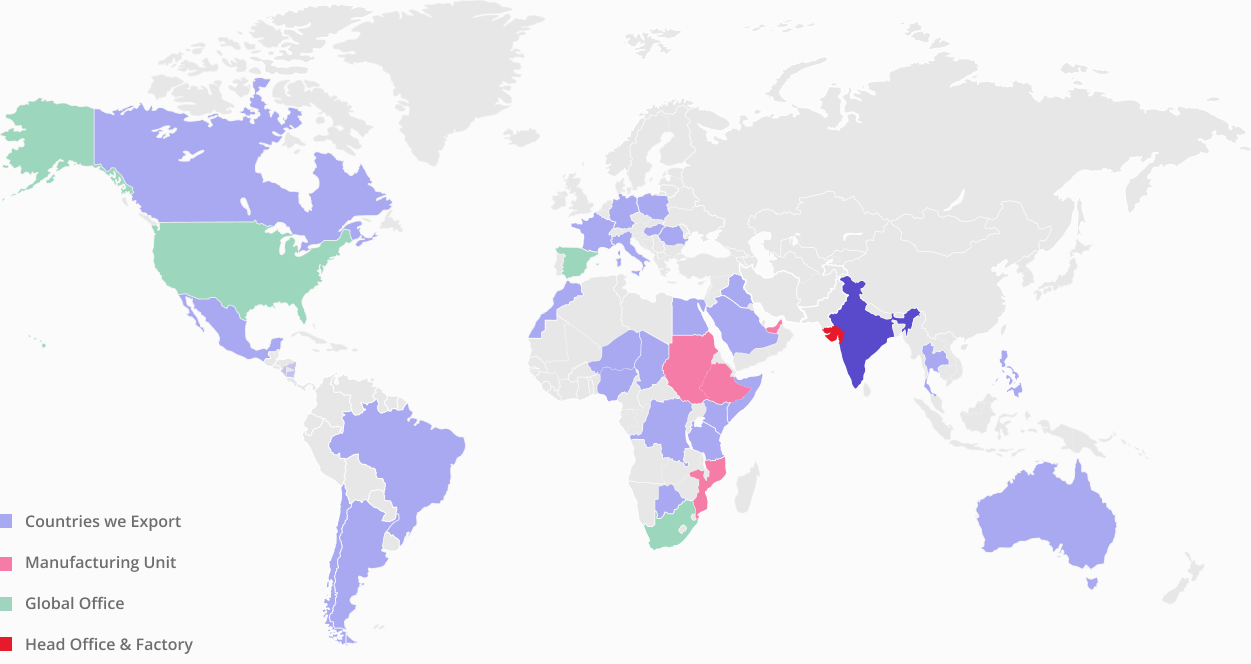
Global Existence

map01