Category: blog
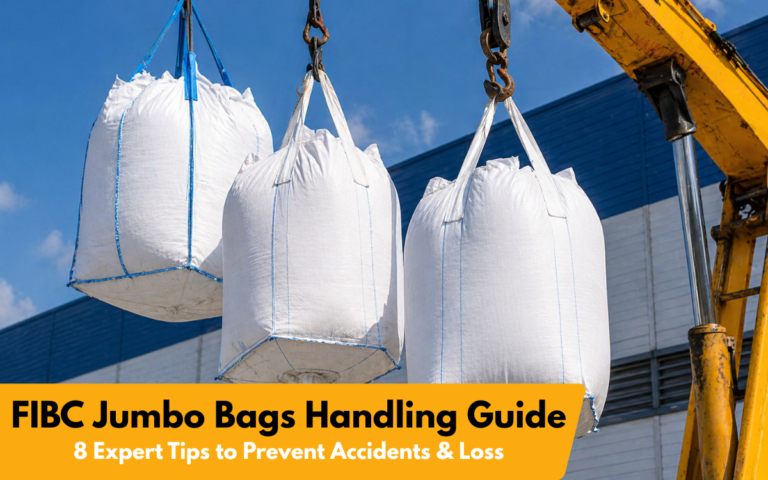
FIBC Jumbo Bags Handling Guide: 8 Expert Tips to Prevent Accidents & Loss
Why Proper Handling of Jumbo Bags Is Critical?
Proper handling of jumbo bags is critical because it directly impacts product safety, operational efficiency, and workplace risk management. FIBC bags are designed to carry heavy loads, but improper lifting, stacking, or storage can lead to bag failure, material spillage, and costly losses. Even slight mishandling can weaken lifting loops or damage the fabric, increasing the chances of accidents. In industries like chemicals, food processing, and agriculture, contamination risks also rise when bags are not handled correctly. Beyond safety, poor handling slows down operations and affects supply chain reliability. Adopting the right jumbo bag handling practices ensures durability, reduces downtime, and protects both workers and valuable bulk materials.8 Expert Tips to Prevent Accidents & Loss While Handling FIBC Jumbo Bags
Handling FIBC (Flexible Intermediate Bulk Container) jumbo bags requires care, precision, and the right practices to avoid accidents, product loss, and workplace hazards. These large-capacity bags are widely used across industries, but improper handling can lead to serious damage or safety risks. Here are eight expert tips to ensure safe and efficient operations.1. Always Lift Using All Loops
FIBC bags are designed with multiple lifting loops for a reason. Using all loops evenly helps maintain balance and prevents tearing or sudden drops during lifting.2. Use the Right Lifting Equipment
Always choose appropriate equipment such as forklifts, cranes, or hoists with proper attachments. Mismatched or faulty equipment increases the risk of accidents.3. Maintain Proper Load Limits
Every jumbo bag has a Safe Working Load (SWL). Exceeding this limit can weaken the bag structure and lead to breakage or spillage.4. Ensure Even Weight Distribution
Uneven filling creates imbalance, making the bag unstable during lifting and storage. Proper distribution ensures safer handling and reduces strain on loops.5. Avoid Dragging Bags
Dragging damages the fabric and compromises the bag’s strength. Always lift or use pallets to move bags safely across surfaces.6. Store Bags in a Dry and Clean Environment
Moisture and dirt can weaken the material and contaminate the contents. Clean, dry storage conditions help maintain durability and product quality.7. Stack Bags Safely
Stacking should be done on level ground with proper alignment. Avoid over-stacking, as it can lead to collapse and safety hazards.8. Train Staff for Safe Handling
Well-trained staff can identify risks and follow best practices. Regular training ensures everyone understands proper procedures and safety standards. Following these practical tips not only improves workplace safety but also enhances operational efficiency and reduces material loss.How to Choose the Right FIBC Bag Supplier?
Choosing the right FIBC (Flexible Intermediate Bulk Container) bag supplier plays a crucial role in ensuring product safety, operational efficiency, and long-term cost savings. A reliable supplier doesn’t just provide bags—they contribute to your overall supply chain performance.a) Certifications and Quality Assurance
Start by checking whether the supplier follows international quality standards. Certifications like ISO and compliance with safety guidelines ensure that the bags are tested for strength, durability, and safe handling. This reduces the risk of leakage, contamination, or accidents during transport.b) Experience in Industry
An experienced supplier understands different industry requirements, whether it’s food-grade storage, chemicals, or construction materials. Their expertise helps in recommending the right type of FIBC bags suited to your application, ensuring better performance and reliability.c) Custom Design Capabilities
Every business has unique needs. A good supplier should offer customization options such as size, fabric type, loop design, and printing. This flexibility helps improve storage efficiency, branding, and ease of handling.d) Customer Support and Delivery Reliability
Timely delivery and responsive support are critical. Delays can disrupt your operations, so choose a supplier known for consistent supply and clear communication. Strong customer service ensures quick resolution of issues and a smoother business relationship. Making a thoughtful choice here helps you avoid risks and build a dependable packaging system.Conclusion:
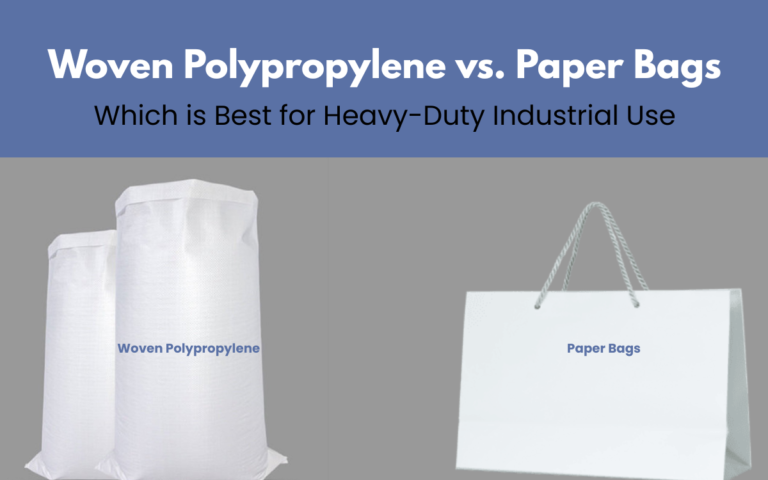
Handling FIBC jumbo bags the right way is not just about safety—it directly impacts your product quality, operational efficiency, and overall business costs. By following these expert tips, you can significantly reduce accidents, prevent material loss, and create a safer working environment for your team. Small practices like proper lifting, correct storage, and staff training make a big difference over time. If you are looking for high-quality, durable, and industry-compliant FIBC solutions, Satyendra Packaging Ltd. (SPL) offers a wide range of reliable jumbo bags designed for safe handling and long-term performance. Partnering with the right manufacturer ensures you get both quality and peace of mind. Adopting these best practices today will help you build a more efficient, safe, and loss-free material handling system for the future.Woven Polypropylene vs. Paper Bags: Which is Best for Heavy-Duty Industrial Use
What Are Woven Polypropylene Bags?
Woven polypropylene (PP) bags are durable packaging solutions made by weaving polypropylene plastic strips into a strong, fabric-like material. This woven structure gives the bags high strength, flexibility, and resistance to tearing, making them suitable for heavy-duty industrial applications. Commonly used across industries like agriculture, cement, chemicals, and food grains, woven PP bags are designed to handle rough handling, stacking, and transportation without losing integrity. They also offer good resistance to moisture, which helps protect products during storage and transit. Available in laminated and unlaminated forms, these bags can be customized with printing, liners, and coatings based on specific product requirements, making them a practical and cost-effective choice for bulk packaging needs.What Are Industrial Paper Bags?
Industrial paper bags are heavy-duty packaging solutions made from multiple layers of kraft paper, designed to carry and protect bulk materials. These bags are widely used in industries such as cement, chemicals, food ingredients, and fertilizers where structured, stackable packaging is required. They are typically manufactured with multi-wall construction, which enhances strength and provides better resistance to external pressure during handling and transport. Many industrial paper bags also include inner liners or coatings to improve moisture resistance and product safety. Known for their eco-friendly and recyclable nature, paper bags are often preferred by brands aiming to align packaging with sustainability goals while maintaining functional performance.Points of Difference Between Woven Polypropylene vs. Paper Bags
When comparing woven polypropylene (WPP) bags and paper bags for industrial use, the differences go far beyond appearance. Each material serves specific needs depending on strength, environment, and cost considerations.1. Strength and Load-Bearing Capacity Comparison
– Woven Polypropylene Bags WPP bags are engineered for high strength due to their woven structure. The interlaced plastic fibers create a tough, flexible surface that resists tearing under pressure. This makes them highly reliable for industries handling bulk materials where consistent load performance is critical during transportation and stacking. – Paper Bags Paper bags, especially multi-wall variants, offer decent strength for structured loads. However, they are more prone to tearing under sharp edges or sudden stress. While suitable for controlled environments, they may not match the rugged handling capabilities of WPP bags in demanding industrial conditions.2. Durability and Longevity Comparison
– Resistance to Environmental Conditions WPP bags perform well in challenging environments. They can withstand rough handling, friction, and varying temperatures without significant damage. In contrast, paper bags are more sensitive to external factors like humidity and physical impact, which can weaken their structure over time. – Reusability Factor Woven polypropylene bags can often be reused multiple times without losing their strength, making them a practical option for industries focusing on long-term usage. Paper bags, on the other hand, are generally designed for single or limited use, as repeated handling reduces their durability.3. Moisture & Weather Resistance Comparison
– WPP Bags WPP bags offer strong resistance to moisture and external weather conditions. Laminated versions, in particular, provide an added protective barrier, making them suitable for storing and transporting products in humid or unpredictable climates. – Paper Bags Paper bags are naturally more vulnerable to moisture. Even with coatings or liners, prolonged exposure to humidity or water can compromise their integrity. This limitation makes them less ideal for environments where moisture control is a concern.4. Cost-Effectiveness Comparison
– WPP Bags WPP bags are often considered cost-effective in the long run due to their durability and reusability. Their ability to reduce product loss and withstand multiple handling cycles adds value beyond the initial investment. – Paper Bags Paper bags may have a competitive upfront cost and appeal to brands focused on sustainability. However, their shorter lifespan and limited reuse can increase overall costs in high-demand industrial operations. In real-world industrial scenarios, the choice ultimately depends on application needs, handling conditions, and supply chain priorities. Businesses must balance durability, environmental impact, and cost efficiency to select packaging that supports both operational performance and long-term growth.Which One Should You Choose for Heavy-Duty Industrial Use?
Choosing between woven polypropylene (WPP) bags and paper bags for heavy-duty industrial use depends largely on your operational priorities and product requirements. If your business involves bulk handling, long-distance transportation, or exposure to rough conditions, WPP bags are often the more reliable choice due to their strength, flexibility, and resistance to wear and tear. On the other hand, if your focus is on eco-friendly packaging and your products are handled in controlled environments with minimal exposure to moisture or damage risks, industrial paper bags can be a suitable option. They align well with sustainability goals and brand perception. For most heavy-duty applications, performance tends to outweigh other factors. Evaluating storage conditions, handling processes, and long-term costs will help you make a practical, future-ready decision that ensures product safety and operational efficiency.-Conclusion:
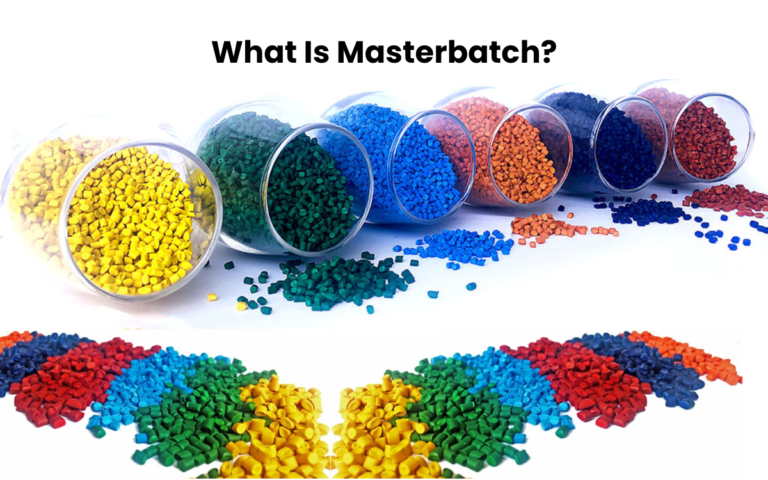
Selecting between woven polypropylene bags and paper bags ultimately comes down to how demanding your industrial operations are. While both have their place, heavy-duty applications often require packaging that delivers consistent strength, durability, and protection across every stage of handling and transport. That’s where woven polypropylene bags tend to stand out. However, businesses balancing sustainability with performance may still find value in industrial paper bags for specific, controlled use cases. The key is to align your packaging choice with real operational challenges rather than just surface-level benefits. If you’re looking for reliable, industry-grade packaging solutions, Satyendra Packaging Ltd. (SPL) offers expertly designed woven polypropylene bags tailored for diverse industrial needs. Connect with their team to explore options that enhance efficiency, reduce losses, and support long-term business growth with confidence.What Is Masterbatch? Types, Advantages, and Role in Plastic Industry
Types of Masterbatch Used in the Plastic Industry
Masterbatch comes in various types, each designed to serve a specific function in plastic manufacturing, helping brands achieve both performance and visual appeal.1. White Masterbatch
Primarily made using titanium dioxide (TiO₂), it provides excellent opacity, brightness, and UV resistance. It is widely used in packaging, films, and consumer products where a clean, premium white finish is required.2. Black Masterbatch
Formulated with carbon black, this type offers deep black color along with UV protection and conductivity. It is commonly used in pipes, automotive parts, and industrial applications.3. Color Masterbatch
Used to impart vibrant and consistent colors, it allows packaging manufacturers to maintain brand identity while ensuring uniform shade dispersion across production batches.4. Additive Masterbatch
Enhances functional properties such as UV stability, flame retardancy, anti-static behavior, and anti-fog effects, making plastics more durable and application-specific.5. Filler Masterbatch
Contains minerals like calcium carbonate to reduce production costs while improving stiffness and dimensional stability.6. Specialty & Functional Masterbatch
Designed for advanced applications, including antimicrobial, biodegradable, and fragrance-releasing plastics, supporting innovation and sustainability in modern industries.Key Advantages of Using Masterbatch
Masterbatch offers a range of practical advantages that make it a preferred choice in modern plastic manufacturing, especially for industries focused on quality, efficiency, and scalability.a) Consistent Color Dispersion
Masterbatch ensures uniform distribution of pigments throughout the polymer, eliminating streaks or uneven shades and maintaining consistent product quality across batches.b) Improved Processing Efficiency
Pre-dispersed additives reduce mixing time and simplify processing, allowing faster production cycles and better machine performance.c) Reduced Material Waste
Accurate dosing and controlled formulation minimize raw material loss, helping manufacturers optimize resources and reduce overall wastage.d) Cleaner Production Environment
Unlike loose pigments, masterbatch comes in pellet form, reducing dust, contamination, and workplace hazards during handling and processing.e) Cost-Effectiveness
Although it may seem premium initially, masterbatch lowers long-term costs by improving efficiency, reducing rejects, and minimizing downtime.f) Customization Flexibility
Manufacturers can tailor formulations based on specific needs—color shades, UV resistance, or anti-static properties—making it highly adaptable across industries.g) Enhanced Product Performance
Additive masterbatches improve durability, weather resistance, and functional properties, ensuring the final packaging product meets performance standards.h) Better Storage and Handling
Pelletized masterbatch is easy to store, transport, and handle compared to raw pigments, reducing spillage and maintaining material integrity over time.Role of Masterbatch in the Plastic Industry
Masterbatch plays a vital role in the plastic industry by enhancing both the functionality and visual appeal of products across diverse sectors.i) Packaging Industry
In packaging manufacturing, masterbatch is widely used to improve color consistency, UV protection, and barrier properties. It helps brands create visually appealing packaging while ensuring durability and product safety, especially in food-grade applications.ii) Automotive Industry
Masterbatch contributes to high-performance plastic components by adding UV stability, heat resistance, and impact strength. It is commonly used in dashboards, bumpers, and interior trims where both aesthetics and durability are essential.iii) Agriculture Sector
In agricultural films and irrigation products, masterbatch provides UV stabilization, anti-fog properties, and longer material life. This ensures better crop protection and improved productivity in varying environmental conditions.iv) Consumer Goods
From household items to electronics, masterbatch enhances product appearance, strength, and usability. It allows manufacturers to achieve vibrant colors and specific functional properties tailored to consumer needs.v) Medical & Healthcare
In medical applications, specialized masterbatches offer antimicrobial properties and strict compliance with safety standards. They are used in syringes, containers, and medical devices where hygiene and precision are critical.Conclusion:
Masterbatch continues to be a backbone of the modern plastic industry, enabling manufacturers to achieve the perfect balance of aesthetics, performance, and cost-efficiency. From ensuring consistent color to enhancing durability and functionality, its role goes far beyond simple material enhancement. As industries move towards sustainability and high-performance materials, the demand for advanced and customized masterbatch solutions is only set to grow. For businesses looking to stay competitive, choosing the right partner becomes crucial. Satyendra Packaging Ltd. (SPL) offers industry-driven expertise, innovative formulations, and tailored masterbatch solutions designed to meet evolving market needs. Whether your focus is on quality, efficiency, or sustainability, SPL can help you achieve production excellence. Making informed choices today can define your product success tomorrow—masterbatch is not just an additive, but a strategic advantage in plastic manufacturing.Ventilated Bulk Bags Explained: Design, Durability, and Real-World Applications
What Are Ventilated Bulk Bags?
Ventilated bulk bags are a type of Flexible Intermediate Bulk Container (FIBC) specially designed to allow airflow during storage and transportation of bulk products. Unlike standard FIBC bags, these bags feature ventilated panels or breathable fabric strips that promote natural air circulation. This design helps reduce moisture buildup, prevents condensation, and keeps products fresh for longer periods. Ventilated bulk bags are widely used for agricultural produce such as onions, potatoes, garlic, and firewood, where proper ventilation is essential to maintain quality. Their strong woven polypropylene structure also ensures high load capacity, durability, and safe bulk handling, making them a reliable packaging solution for industries dealing with moisture-sensitive goods.Design Features of Ventilated Bulk Bags
a) Breathable Fabric Construction
Ventilated bulk bags are engineered with strategically placed ventilation panels or breathable woven polypropylene strips that allow air to circulate through the bag. This airflow helps reduce moisture buildup and prevents condensation, which is especially important when transporting products like onions, potatoes, garlic, or firewood. By allowing natural ventilation, these bags help maintain product freshness and minimize spoilage during long-distance transport and storage.b) Load-Bearing Structure
Despite their breathable design, ventilated bulk bags are built for strength. They feature a durable woven polypropylene body with reinforced lifting loops, enabling them to carry heavy loads safely. Most ventilated FIBC bags can handle 500 kg to 1500 kg capacity, making them suitable for bulk storage and industrial logistics while ensuring stability during stacking, lifting, and shipping.c) Customization Options
Manufacturers often provide customization such as different ventilation patterns, loop configurations, printing, sizes, and liner options. This flexibility allows businesses to choose designs that match their product type, transportation method, and branding needs.Key Benefits of Ventilated Bulk Bags
Ventilated bulk bags offer several practical advantages for industries that handle fresh produce and moisture-sensitive goods. Their breathable structure, strong load capacity, and flexible handling make them a reliable packaging solution for agriculture, food logistics, and bulk storage. Below are some of the key benefits that make ventilated FIBC bags widely preferred in modern supply chains.i) Improved Airflow for Fresh Produce and Agricultural Goods
Ventilated bulk bags are designed with breathable fabric panels that allow continuous air circulation. This airflow helps maintain the quality of products such as onions, potatoes, garlic, and firewood during storage and transportation.ii) Reduced Spoilage, Mold, and Condensation
Proper ventilation minimizes moisture buildup inside the bag. This reduces the chances of mold formation, condensation, and product spoilage, especially during long transit periods.iii) Efficient Storage and Transport
These bags are lightweight yet durable, allowing easy handling with forklifts or cranes while maximizing warehouse and transport space.iv) Cost Savings Compared to Rigid Containers
Ventilated bulk bags are more economical than plastic bins or wooden crates and also reduce storage and transport costs.v) Sustainability Advantages
Many ventilated FIBC bags are reusable and recyclable, making them a more sustainable bulk packaging option while supporting efficient agricultural supply chains.Real-World Applications Across Industries
Ventilated bulk bags are widely used across different industries where airflow, durability, and efficient bulk handling are essential. Their breathable construction helps maintain product quality while making storage and transportation more efficient. From agriculture to industrial sectors, these bags support safe and practical bulk packaging solutions.1. Agriculture and Horticulture
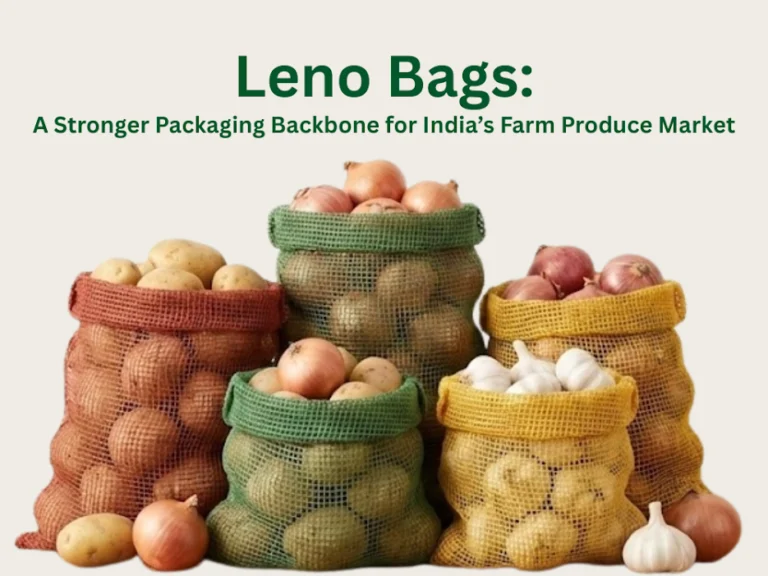
One of the most common uses of ventilated bulk bags is in agriculture. Farmers and suppliers use them for crops such as onions, potatoes, garlic, carrots, and other root vegetables. The breathable fabric allows air to circulate, helping keep produce fresh and reducing moisture buildup during storage and transit.2. Food Processing and Distribution
Food processing companies rely on ventilated FIBC bags to move raw agricultural materials from farms to processing units. Proper airflow helps maintain quality and prevents spoilage before the products reach sorting, cleaning, or packaging facilities.3. Firewood and Biomass
Ventilated bags are ideal for storing and transporting firewood, wood chips, and biomass materials. The airflow helps dry the wood naturally and prevents moisture accumulation that could affect burning efficiency.4. Industrial and Chemical Uses
Some industrial products and raw materials also require breathable storage conditions. Ventilated bulk bags provide strong load capacity while allowing controlled airflow, making them suitable for select industrial and chemical handling applications.Conclusion:
Ventilated bulk bags have become an essential packaging solution for industries that require both strength and airflow. Their thoughtful design, durable woven structure, and breathable fabric panels help maintain product quality while ensuring safe and efficient bulk handling. From agriculture and food processing to firewood and select industrial uses, these bags offer a reliable way to reduce moisture buildup, prevent spoilage, and simplify transportation. As supply chains continue to demand smarter packaging solutions, ventilated FIBC bags stand out for their efficiency, flexibility, and cost-effectiveness. If your business deals with products that require proper ventilation during storage or transport, choosing the right bulk packaging partner makes all the difference. Satyendra Packaging Ltd. (SPL) offers high-quality ventilated bulk bags designed to meet modern industry standards and customized packaging needs. With the right design and manufacturing expertise, ventilated bulk bags can significantly improve product safety, storage efficiency, and overall logistics performance across multiple industries.The Rise of Flexible Packaging: What Manufacturers and Startups Must Know
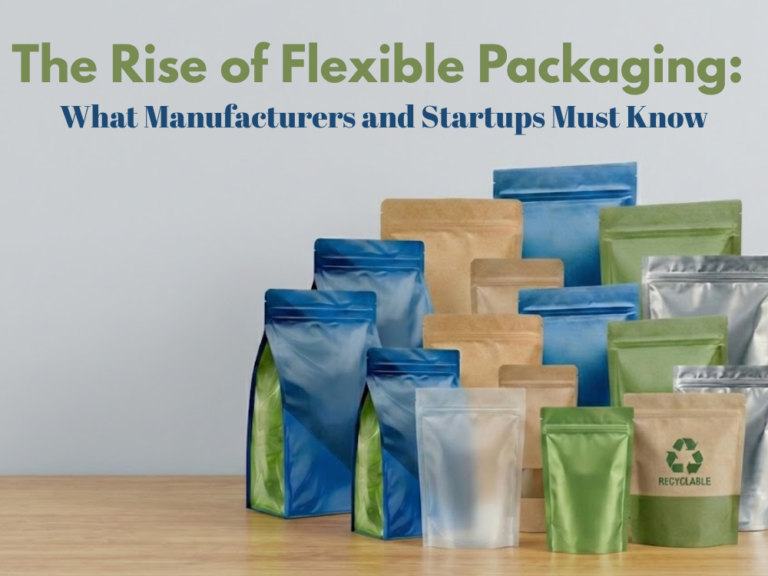
Flexible packaging is no longer a trend; it is fast becoming the default choice for brands across food, FMCG, pharmaceuticals, and personal care. As an industry expert watching packaging evolve for over a decade, the shift is hard to ignore.
Globally, flexible packaging now accounts for nearly 40% of total packaging demand, driven by lightweight materials, lower logistics costs, and better shelf appeal. In India alone, the segment is growing at over 8% CAGR, powered by eCommerce, urban consumption, and sustainability-focused buyers.
What makes flexible packaging so attractive? It uses up to 70% less material than rigid formats, improves product freshness, and offers unmatched design flexibility. For startups, it lowers entry barriers. For manufacturers, it unlocks speed, scalability, and customization. If you are building or scaling a brand today, understanding flexible packaging solutions, materials, and market dynamics is no longer optional—it is a competitive necessity in modern high-growth packaging-driven consumer markets worldwide today.
Why Flexible Packaging Is No Longer Optional for Growing Brands?
Flexible packaging has moved from being a “nice-to-have” to a strategic must for growing brands. Today’s consumers expect convenience, freshness, and sustainability—and flexible formats deliver on all three.
Compared to rigid packaging, flexible packaging reduces material usage by up to 60%, lowers transportation costs, and extends shelf life, directly impacting profitability. For fast-scaling brands, this means better margins and faster market expansion.
Design flexibility is another big advantage. Stand-up pouches, sachets, and resealable packs help brands stand out on crowded shelves and perform better in eCommerce. Flexible packaging also supports smaller batch runs, making it ideal for startups testing new products or SKUs.
With rising competition and price-sensitive markets, brands that ignore flexible packaging risk higher costs, slower scalability, and weaker consumer appeal. Simply put, flexible packaging is now essential for sustainable growth.
Key Factors Driving the Growth of Flexible Packaging
Flexible packaging is reshaping how products are packed, shipped, and experienced by consumers. What once started as a cost-saving alternative has now become a growth enabler for brands across food, FMCG, pharma, and personal care. Its rapid adoption is driven by a mix of economic efficiency, smart design, and evolving consumer habits.
a) Cost Efficiency That Improves Profitability
One of the strongest growth drivers is cost efficiency compared to rigid packaging. Flexible packaging uses less raw material, consumes lower energy during production, and minimizes waste. For manufacturers and startups, this means reduced packaging costs and healthier margins without compromising quality.
b) Lightweight Structure and Lower Logistics Costs
Being lightweight, flexible packaging cuts transportation and warehousing expenses. Lower fuel usage and easier handling make it especially valuable for eCommerce and large-scale distribution.
c) Strong Shelf Appeal and Branding Freedom
High-quality printing, unique formats, and premium finishes allow brands to create eye-catching packaging that stands out on shelves and online.
d) Convenience for Today’s Consumers
Resealable, portable, and space-saving designs match modern lifestyles, making flexible packaging a clear winner in today’s competitive market.
Why Startups and Businesses Are Choosing Flexible Packaging First?
For startups and fast-growing businesses, flexible packaging has become the first choice—not just for cost reasons, but for speed, flexibility, and scalability. In highly competitive markets, brands need packaging that adapts as quickly as their ideas do, and flexible formats make that possible.
i) Low Minimum Order Quantities
Unlike rigid packaging, flexible packaging allows low minimum order quantities. This helps startups avoid heavy upfront investments and reduce inventory risk, especially during early-stage product launches or seasonal trials.
ii) Easy Brand Experimentation and Design Changes
Flexible packaging supports quick design updates, limited editions, and regional variations. Brands can test new flavors, formulations, or messaging without committing to large production runs.
iii) Faster Go-to-Market Timelines
Shorter production cycles and simpler tooling mean products reach shelves and online platforms faster. This speed gives startups a clear advantage when responding to trends or consumer demand shifts.
iv) Ideal for D2C and eCommerce Brands
Lightweight, durable, and space-efficient, flexible packaging reduces shipping costs and damage risks. For D2C and eCommerce brands, it ensures better delivery performance and an improved customer unboxing experience.
Benefits of Flexible Packaging for Manufacturers
Flexible packaging offers manufacturers a strong mix of efficiency, performance, and branding flexibility, making it a smart choice in today’s competitive packaging landscape. As demand for cost-effective and scalable solutions grows, manufacturers are increasingly shifting toward flexible formats.
a) Lower Material and Operational Costs
Flexible packaging uses fewer raw materials and requires less energy during production compared to rigid packaging. This leads to lower operational costs, reduced waste, and improved resource efficiency across manufacturing lines.
b) Faster Production and Easy Scalability
With simpler tooling and shorter setup times, flexible packaging manufacturer enables faster production cycles. Manufacturers can scale output quickly to meet rising demand without major infrastructure changes.
c) Improved Product Protection and Shelf Life
Advanced barrier films protect products from moisture, oxygen, and contamination. This helps maintain freshness, extends shelf life, and reduces product loss during storage and transportation.
d) Custom Print and Branding Opportunities
High-quality printing, multiple finishes, and design flexibility allow manufacturers to deliver visually appealing packaging that supports strong brand identity while meeting diverse client requirements.
Challenges in Flexible Packaging You Should Be Aware Of
While flexible packaging offers clear advantages, it also comes with challenges that brands and manufacturers should understand early. Being aware of these factors helps in making smarter, long-term packaging decisions.
1. Recycling Infrastructure Limitations
One of the biggest concerns is limited recycling infrastructure, especially for multi-layer flexible materials. In many regions, collection and processing systems are still evolving, making proper disposal a challenge and increasing pressure on brands to adopt recyclable alternatives.
2. Regulatory and Compliance Challenges
Flexible packaging must meet strict food safety, labeling, and environmental regulations. Changing government policies and sustainability norms require constant monitoring and timely compliance, which can increase operational complexity.
3. Material Selection and Quality Control
Choosing the right material is critical. Poor material selection can impact durability, barrier performance, and product safety. Maintaining consistent quality across suppliers and batches requires strong quality control systems and technical expertise.
How to Choose the Right Flexible Packaging Partner?
Choosing the right flexible packaging partner can directly impact your product quality, brand image, and long-term growth. With so many options available, the decision should go beyond pricing and focus on capability, reliability, and future readiness.
-
Quality Standards and Certifications
-
Customization and Printing Capabilities
-
Industry Experience and Technical Support
-
Scalability for Future Growth
Final Thoughts:
Flexible packaging is no longer just an industry shift—it is a strategic advantage for manufacturers and startups aiming to stay competitive, cost-efficient, and consumer-focused. From lower material usage and faster scalability to stronger shelf appeal and eCommerce readiness, flexible packaging aligns perfectly with how modern markets operate today. As sustainability expectations rise and product lifecycles shorten, brands that adapt early gain a clear edge in speed, profitability, and innovation.
The key lies in choosing the right materials, formats, and, most importantly, the right packaging partner. This is where experience and technical expertise make all the difference. If you are planning to upgrade your packaging strategy or launch your next product, now is the time to act.
Satyendra Packaging Ltd. (SPL) works closely with brands to deliver high-quality, customizable flexible packaging solutions designed for growth. Connect with SPL to explore packaging that performs better, looks sharper, and scales effortlessly with your business ambitions.
What Is PP Multifilament Yarn? Benefits, Uses, and Industry Applications
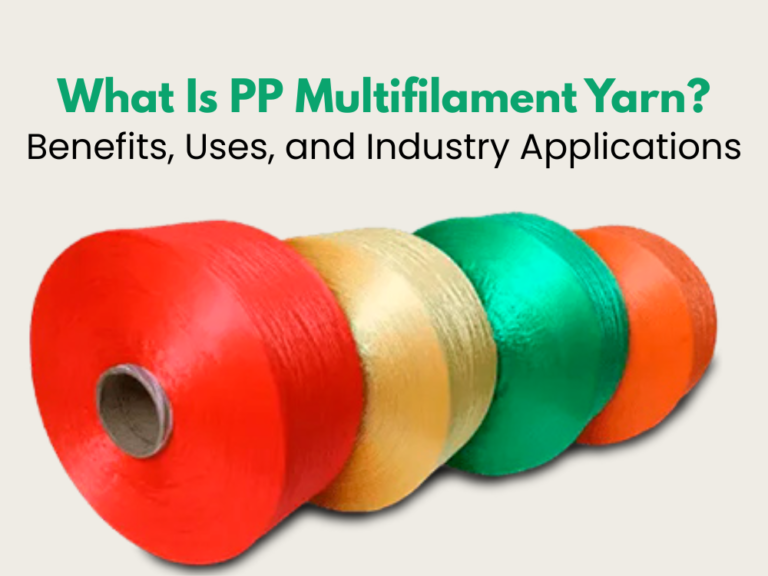
PP Multifilament yarn is a foundational material in today’s textile and industrial manufacturing landscape, valued for its strength, flexibility, and consistency. Created by twisting or grouping multiple continuous filaments into a single strand, it offers better durability and performance than single-filament yarns. This structure allows the yarn to withstand repeated stress while maintaining a smooth surface and uniform appearance, making it ideal for high-demand applications.
Widely produced using polymers such as polyester, nylon, and polypropylene, PP multifilament yarn supports industries ranging from apparel and home textiles to automotive interiors, medical textiles, geotextiles, and industrial packaging. One key industry fact is that multifilament yarns provide higher tensile strength-to-weight ratios, which helps manufacturers reduce material usage without compromising performance. Their excellent dye uptake, abrasion resistance, and moisture management further enhance product quality.
As global industries move toward efficiency and performance-driven materials, multifilament yarn continues to meet evolving technical requirements. Understanding its benefits, uses, and industry applications helps businesses make informed material choices in competitive and fast-changing markets.
What Is PP Multifilament Yarn?
Multifilament yarn is a type of yarn made by combining many fine, continuous filaments into a single strand. These filaments are usually produced from synthetic polymers such as polyester, nylon, or polypropylene using advanced spinning techniques. The resulting yarn is smooth, strong, and flexible, offering better performance than single-filament alternatives. Because multiple filaments share the load, multifilament yarn provides higher tensile strength, improved abrasion resistance, and consistent thickness.
It also allows better dye absorption and surface uniformity, which are important for both aesthetic and functional applications. Due to these properties, multifilament yarn is widely used in apparel, home textiles, industrial fabrics, automotive components, medical textiles, and packaging materials. Its balance of durability, processability, and cost-efficiency makes it a preferred choice across manufacturing sectors.
Types of Multifilament Yarn
Multifilament yarns are available in different material types, each designed to meet specific performance and application needs. The choice depends on strength, texture, cost, and end-use requirements.
- Polyester Multifilament Yarn Known for durability, dimensional stability, and excellent dyeability. Widely used in apparel, home textiles, and industrial fabrics.
- Nylon Multifilament Yarn Offers high tensile strength, elasticity, and abrasion resistance. Commonly used in automotive textiles, ropes, nets, and technical fabrics.
- Polypropylene Multifilament Yarn Lightweight, moisture-resistant, and cost-effective. Ideal for packaging, geotextiles, carpets, and industrial applications.
- Viscose and Specialty Multifilament Yarns Provide softness, sheen, and functional properties. Used in fashion textiles, medical products, and specialty industrial uses.
Each multifilament yarn type serves distinct industries and performance demands. Understanding these differences helps manufacturers choose the most suitable yarn solution.
Benefits of PP Multifilament Yarn
Multifilament yarn offers several performance advantages that make it a preferred choice across textile and industrial applications. Its unique structure, made from multiple fine filaments, directly enhances fabric quality, processing efficiency, and end-product value.
i) Enhanced fabric comfort and softness
The fine filaments create a smooth surface that feels gentle on the skin, improving overall comfort in garments and home textiles.
ii) Better elasticity and drape
Multifilament yarn provides natural flexibility, allowing fabrics to drape well and retain shape even after repeated use.
iii) Improved durability and long life
The load is evenly distributed across filaments, resulting in higher tensile strength, abrasion resistance, and longer service life.
iv) Excellent dye absorption
Its larger surface area ensures uniform dye uptake, delivering rich, vibrant, and long-lasting colors.v) Cost efficiency for large-scale production
High processability, reduced material waste, and consistent quality make multifilament yarn economical for mass manufacturing, supporting scalability without compromising performance or reliability.
Common Uses of PP Multifilament Yarn
PP Multifilament yarn is widely used in packaging and industrial sectors due to its strength, flexibility, and consistent performance. Its multi-strand structure makes it suitable for applications that demand durability and reliability under continuous stress.
a) Bulk Packaging Bags and Woven Sacks
Multifilament yarn is commonly used to manufacture bulk packaging bags and woven sacks that carry grains, chemicals, fertilizers, and construction materials, ensuring high load-bearing capacity.
b) High-Strength Sewing Threads for Packaging
Its excellent tensile strength makes it ideal for sewing threads used in heavy-duty packaging, providing secure stitching and long-lasting seams.
c) Woven & Laminated Packaging Fabrics
The yarn supports the production of woven and laminated fabrics that offer tear resistance, dimensional stability, and enhanced protection.
d) Protective Packaging for Automotive & Heavy Equipment
Multifilament yarn-based fabrics are used to protect components from abrasion and impact during storage and transportation.
e) Medical & Hygiene Product Packaging Materials
In medical and hygiene packaging, multifilament yarn helps create clean, durable materials that meet strict quality and safety standards.
Industry Applications of PP Multifilament Yarn
Multifilament yarn serves as a versatile material across multiple industries, offering strength, flexibility, and consistent performance for both functional and aesthetic applications. Its adaptability makes it essential in modern manufacturing environments.
- Textile & Apparel Industry In textiles and apparel, multifilament yarn is used in garments, sportswear, and home furnishings due to its softness, smooth texture, and excellent drape.
- Industrial Sector Industrial applications include conveyor belts, ropes, nets, filters, and geotextiles where high tensile strength and resistance to wear are critical.
- Automotive Industry The automotive sector uses multifilament yarn in seat covers, airbags, carpets, and interior trims for durability and safety compliance.
- Medical & Healthcare In medical and healthcare products, it is used for surgical sutures, bandages, and nonwoven materials that require cleanliness and reliability.
- Packaging & FMCG
For packaging and FMCG, multifilament yarn supports woven bags, sewing threads, and protective fabrics, ensuring product safety, efficient handling, and cost-effective large-scale production.
Conclusion:
Multifilament yarn continues to prove its value across industries by supporting performance, durability, and production efficiency. Its ability to deliver consistent strength, flexibility, and visual uniformity makes it suitable for demanding applications in textiles, industrial manufacturing, automotive components, medical products, and packaging solutions. Businesses benefit from improved product life, better processing control, and cost-effective scalability when the right multifilament yarn is selected for the intended use.
As market expectations rise for quality, safety, and reliability, choosing trusted materials and experienced partners becomes essential. Strategic sourcing and application-specific customization can significantly influence overall output and brand credibility.
>For companies looking to enhance packaging strength and operational efficiency, SatyendraPackagingLtd. (SPL) provides reliable, industry-aligned solutions backed by technical expertise. Partner with SPL to access high-quality yarn and packaging support designed to meet evolving industry standards and long-term business objectives.