What is Flexible Packaging? The Smart Choice for FMCG Export & Supply

In the modern FMCG export market, flexible packaging has transformed from a cost-saving alternative into a strategic asset for global brands. This innovative solution helps reduce logistics costs by up to 30% and material usage by nearly 50% compared to traditional rigid packaging. It’s a smart step toward efficiency and sustainability. From snacks and detergents to personal care products, flexible packaging adapts seamlessly to product shape, quantity, and market demand. It’s no wonder that more than 65% of FMCG brands now use flexible packaging formats such as stand-up pouches, laminated rolls, and sachets for exports. Beyond attractive films and vibrant graphics, flexible packaging delivers efficiency, shelf appeal, and superior product protection, aligning perfectly with the fast-paced needs of global FMCG supply chains. Let’s explore why this lightweight, compact, and sustainable packaging is redefining industry standards for cost, performance, and brand visibility.

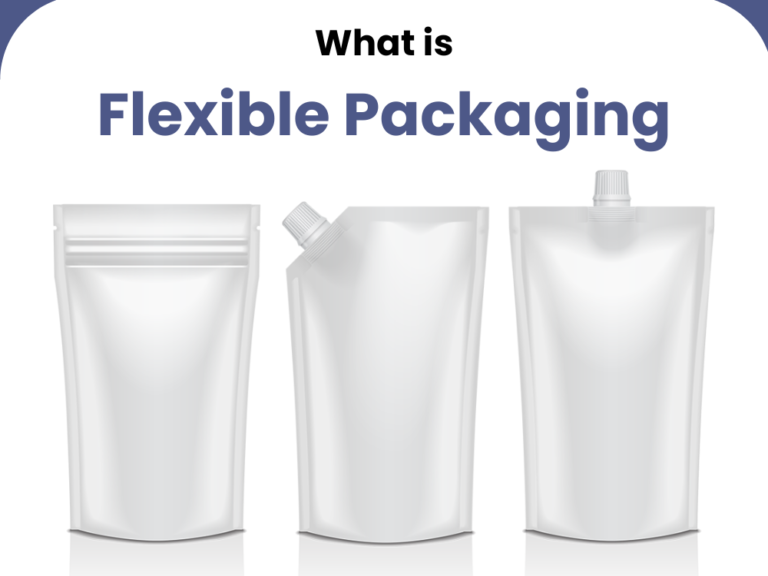
What is Flexible Packaging? Definition & Importance

Flexible packaging refers to any package made from flexible materials—such as plastic films, aluminum foil, or paper—that can easily bend or change shape when filled or sealed. It combines durability, light weight, and customization, making it a preferred choice for modern FMCG products. Unlike rigid packaging such as bottles or cans, flexible pouches, bags, wraps, and sachets save space, reduce transportation costs, and offer strong product protection. In the FMCG export industry, this type of packaging ensures excellent barrier protection against moisture, oxygen, and external contaminants, extending product freshness and shelf life. With advanced printing technologies, brands can achieve visually striking packaging that captures customer attention and communicates quality. From food and beverages to personal care and pharmaceuticals, flexible packaging continues to be a cost-effective, eco-friendly, and consumer-focused packaging solution.

Why FMCG Brands are Switching to Flexible Packaging

Across the FMCG landscape, brands are rapidly switching to flexible packaging for its unmatched adaptability, sustainability, and cost-saving benefits. It’s lightweight, compact, and easy to transport, cutting packaging waste by up to 40% compared to conventional materials. This aligns perfectly with growing eco-conscious consumer demand—over 70% of buyers now prefer products with sustainable packaging. For exporters and bulk suppliers, flexible packaging manufacturer offers unmatched adaptability. Whether stand-up pouches for food or laminated rolls for detergents, these solutions suit multiple product categories while offering superior shelf appeal. In short, flexible packaging isn’t a passing trend—it’s the future. It helps brands stay relevant, reduce waste, and meet the increasing demand for smarter, greener FMCG packaging.

Popular Types of Flexible Packaging in the FMCG Sector

Each product requires the right packaging type for protection, presentation, and efficiency. The main types of flexible packaging used in the FMCG industry include:

1. Pouches & Bags

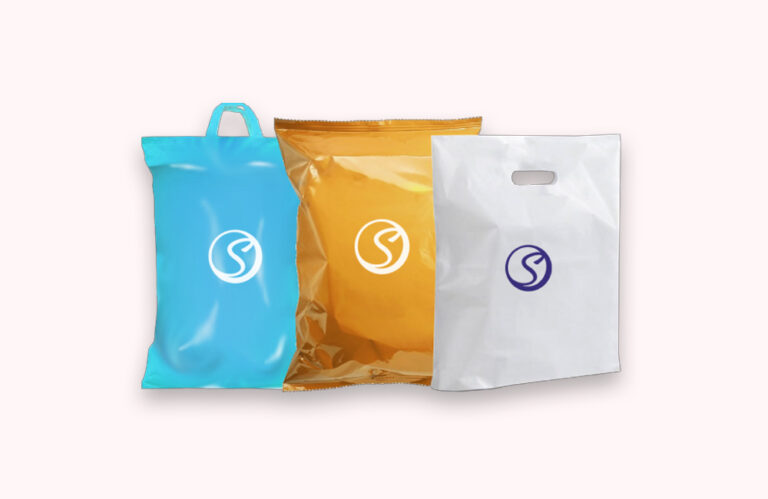
Highly versatile and available in stand-up, zipper, and flat formats. Ideal for snacks, powders, detergents, and pet food, these options ensure resealability, convenience, and premium print quality.

2. Films & Wraps

Perfect for wrapping food, pharmaceuticals, and industrial products. These materials create a protective barrier against oxygen, moisture, and light—ensuring product freshness.

3. Laminates & Multi-Layer Packaging

A combination of materials like foil, plastic, and paper for enhanced strength and barrier protection. Ideal for products requiring longer shelf life during export.

4. Specialized Packaging

Includes vacuum pouches, retort packs, and high-barrier films for products that need extended preservation and durability during long transit periods.

Top Benefits of Flexible Packaging for Industrial and Large-Scale Use

Flexible packaging delivers several advantages that make it ideal for FMCG, food processing, agro, and chemical industries. Its adaptability and cost-effectiveness improve operational efficiency while promoting sustainability.

a) Superior Product Protection and Longer Shelf Life

Multi-layer barrier films block air, moisture, and light—ensuring product integrity and freshness.

b) Cost-Efficient and Space-Saving Design

Flexible packaging uses fewer raw materials and occupies less storage space, making it a practical and affordable choice for large-scale production.

c) Lightweight and Compact Structure

Reduces overall shipping weight, cutting transportation and fuel costs—making it the preferred solution for export-oriented FMCG brands.

d) Sustainable and Eco-Friendly Options

Many flexible packaging materials are now recyclable or biodegradable, supporting eco-friendly initiatives and green supply chains.

e) Highly Customizable for All Product Types

Perfect for packaging liquids, powders, granules, and solids—offering maximum flexibility in design and functionality.

f) Better Storage and Distribution Efficiency

Compact, stackable, and easy to handle—flexible packaging helps streamline warehouse operations and improves logistics efficiency.

How Flexible Packaging Enhances Supply Chain Efficiency

In a competitive global market, optimizing the supply chain is crucial for maintaining profitability and speed. Flexible packaging plays a key role in making logistics more efficient and sustainable.

1. Easy to Handle and Store

Flexible rolls and pouches occupy less warehouse space and simplify inventory management, reducing handling time and congestion.

2. Lower Shipping Weight and Transportation Costs

The lightweight nature of flexible packaging minimizes freight costs and carbon emissions while maximizing shipment efficiency.

3. Adaptable to Various Market Needs

Whether single-serve sachets or family-size packs, flexible packaging adjusts to different market and consumer requirements.

4. Better Product Tracking and Transparency

With QR codes and RFID tags, brands can monitor products through every stage of the supply chain—enhancing traceability and accountability. Overall, flexible packaging enables faster deliveries, better inventory control, and a greener supply chain—making it a vital asset for modern FMCG exporters.

Conclusion

Flexible packaging has emerged as the smarter, lighter, and more sustainable alternative to rigid packaging for FMCG export and supply. Its lightweight design, compact form, and reliable protection make it ideal for maintaining product quality and reducing logistics costs across international markets. At Satyendra Packaging Ltd. (SPL), we specialize in custom flexible packaging solutions that enhance brand appeal, reduce waste, and optimize distribution. Our advanced technology ensures each pouch, film, and laminate meets global quality and sustainability standards. If your brand aims to strengthen packaging efficiency and eco-performance, partner with SPL—your trusted ally for packaging innovation. Together, let’s redefine FMCG packaging with designs that are lighter, smarter, and ready for the future.

Leno Bags for Fresh Produce – Breathable & Durable Packs

Leno Bags offer breathable, strong, and cost-effective packaging for fruits and vegetables-ideal for reducing spoilage and extending shelf life in transit.

In the world of agricultural packaging, nothing beats the importance of keeping fresh produce fresh—both in transit and on display. This is where Leno Bags shine. Designed specifically for fruits, vegetables, and other perishable items, Leno Bags offer a unique combination of strength, breathability, and cost-effectiveness.

What Are Leno Bags?

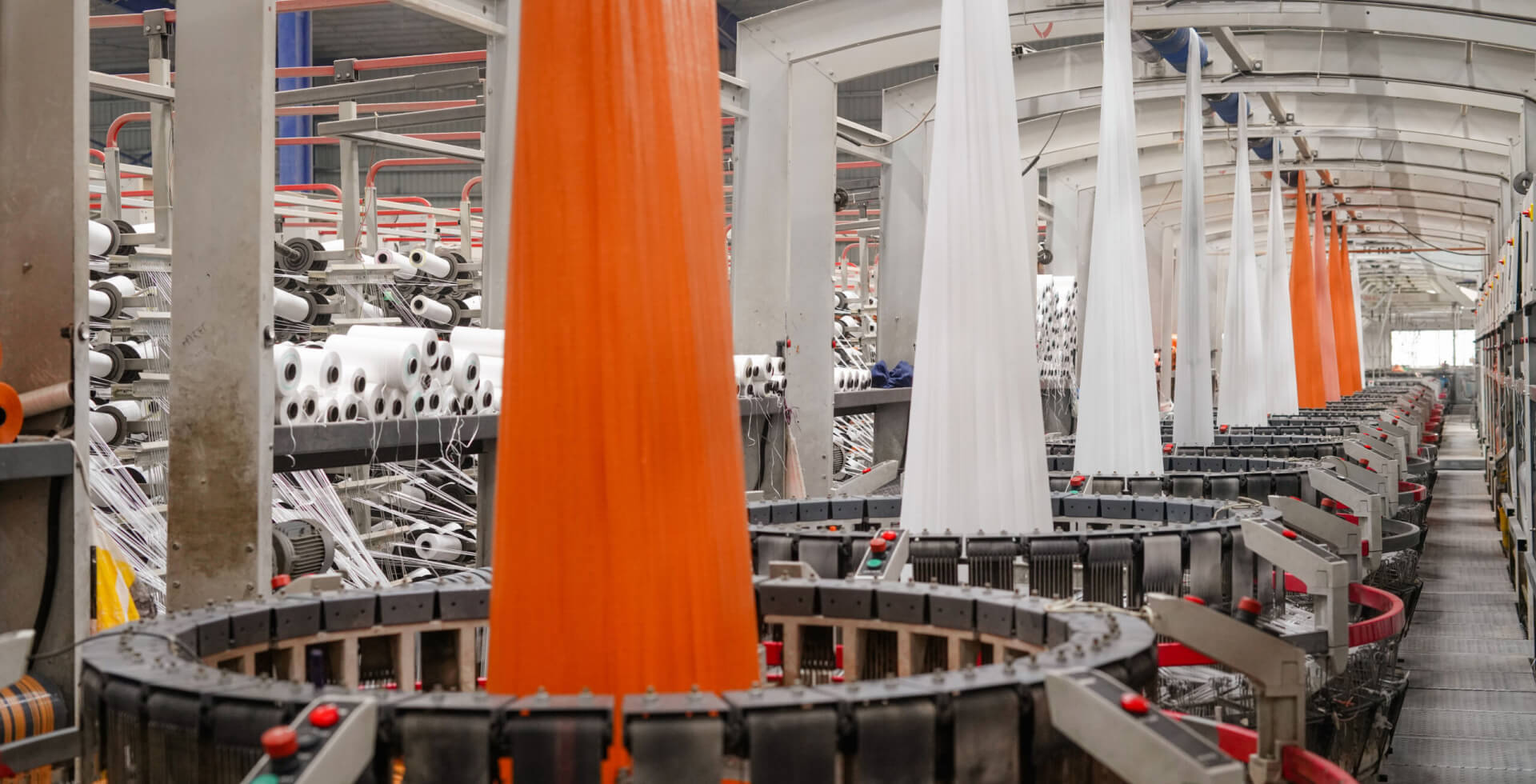
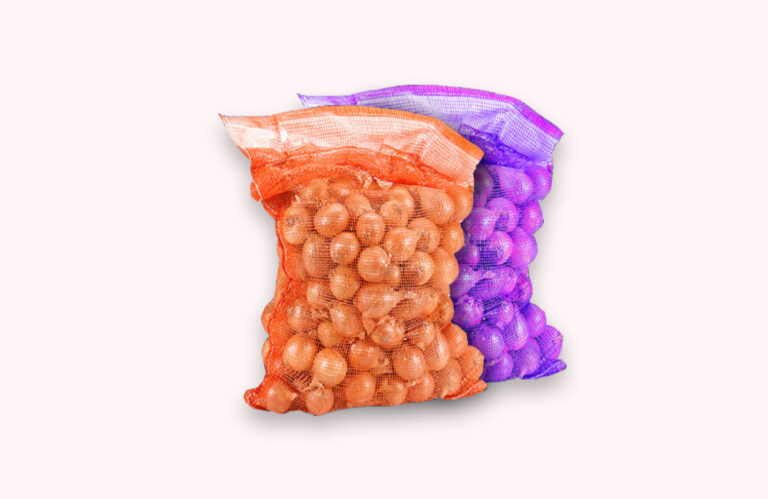
Leno Bags are made from a loosely woven polypropylene fabric that allows air circulation while maintaining enough strength to carry heavy loads. The open weave structure of Leno Bags sets them apart from traditional plastic or jute bags, making them ideal for storing and transporting items that need to “breathe” to stay fresh.

Why Breathability Matters

Fresh produce like onions, potatoes, carrots, ginger, and garlic often suffer spoilage due to moisture build-up during storage or transport. The breathable nature of Leno Bags helps prevent this. They allow proper air flow, which reduces the chances of mold, foul odor, or rot—ultimately increasing shelf life and reducing wastage.

Key Advantages of Leno Bags

Leno Bags are lightweight yet durable, making them easy to handle and economical to ship. They are reusable, recyclable, and resistant to tearing and UV exposure. Most Leno Bags come with drawstrings or tie closures for added convenience. They’re available in various sizes and colors, and can also be customized with brand tags or labels for retail appeal.

Applications of Leno Bags

Primarily used in the agricultural sector, Leno Bags are perfect for packing onions, potatoes, cabbage, and other vegetables. They’re also used for packaging fruits like oranges and lemons, and even firewood or shellfish in some regions. Their transparency and color options allow quick identification of the contents inside, making them a preferred choice in both wholesale and retail markets.

At Satyendra Packaging, we offer premium-quality Leno Bags that combine durability with functionality. Our bags are manufactured with precision, ensuring proper weight capacity, consistent weave, and optimal ventilation for your fresh produce.

In short, Leno Bags are more than just packaging—they’re a smart, breathable solution that keeps your produce looking and feeling fresh from farm to fork.

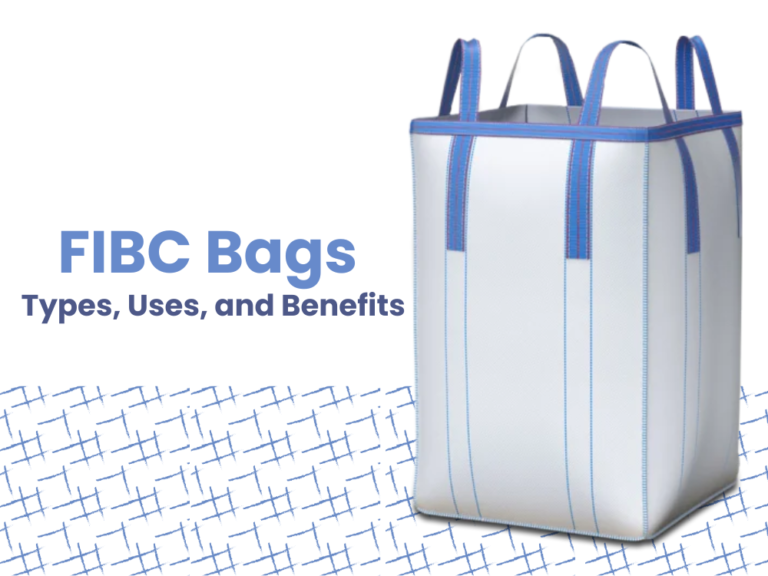
Complete Guide to FIBC Bags – Types, Uses, and Benefits You Should Know

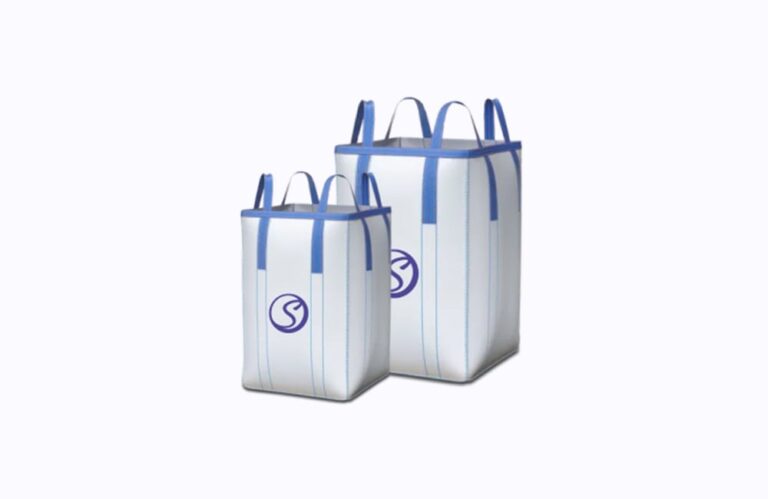
When it comes to bulk material handling, FIBC bags (Flexible Intermediate Bulk Containers) have become the backbone of efficient storage and transportation across industries—from agriculture and chemicals to construction and food processing.

These heavy-duty woven polypropylene bags can carry weights ranging from 500 kg to 2,000 kg, making them an economical and sustainable solution for large-volume packaging. Globally, the FIBC bag market is projected to reach over USD 6.9 billion by 2030, driven by increasing demand for eco-friendly and reusable packaging solutions.

If you’re in manufacturing or logistics, you already know that the right bulk packaging can significantly reduce operational costs and material loss. But how do you choose the ideal FIBC type—U-panel, circular, or baffled bag—for your product? And what makes these bags so popular across different sectors? This complete guide to FIBC bags walks you through their types, applications, and benefits, helping you make informed packaging decisions that boost both efficiency and safety.

Why is the Global Packaging Industry Switching to FIBC Bags to Simplify Bulk Export?

The global packaging industry is rapidly shifting toward FIBC bags to simplify and streamline bulk exports, and the reasons are clear. These Flexible Intermediate Bulk Containers offer unmatched durability, cost efficiency, and space optimization compared to traditional sacks or drums. With the growing focus on sustainable and reusable packaging, FIBCs align perfectly with global trade practices that prioritize eco-friendly logistics.

Industries such as chemicals, food grains, minerals, and pharmaceuticals are leveraging FIBC bags for their ability to carry up to 2,000 kg of material safely while reducing shipping costs by up to 30%. Their lightweight design cuts down on freight charges, and their customizable shapes and coatings provide superior protection during long-distance transport.

In fact, with exports rising across developing economies, businesses are realizing that switching to FIBC packaging not only simplifies bulk handling but also enhances product safety, compliance, and environmental responsibility in global trade.

Types of FIBC Bags Based on Material, Design, and Purpose

FIBC bags come in four main types—Type A, B, C, and D, each designed to meet specific material handling and safety needs across industries.

1. Type A FIBC Bags

Made from plain woven polypropylene, Type A FIBC bags are ideal for packaging non-flammable materials where there’s no risk of static discharge. They’re cost-effective but should never be used in explosive environments.

2. Type B FIBC Bags

Type B bags look similar but are made from materials that prevent spark generation. While they don’t dissipate static electricity, they’re safer for handling dry materials like grains or flour in dust-prone zones.

3. Type C FIBC Bags

Type C FIBC bags, often called conductive or groundable bags, are designed with carbon threads to safely dissipate static charge when grounded—making them perfect for flammable powders.

4. Type D FIBC Bags

Type D FIBC bags use antistatic fabric that neutralizes charges without grounding, ensuring maximum safety and convenience. These are widely used in chemical and pharmaceutical exports, where static control and operational safety are critical.

Choosing the right FIBC bag type depends on your product’s sensitivity, work environment, and safety regulations—ensuring your bulk packaging remains reliable, compliant, and performance-driven every time.

Common Applications of FIBC Bags Used in Different Industries

FIBC bags, also known as bulk bags or jumbo bags, have become indispensable in modern industrial logistics due to their versatility, strength, and reusability. Their wide range of applications across industries makes them a preferred choice for storing and transporting bulk materials safely and cost-effectively.

a) Agriculture

In the agricultural sector, FIBC bags are widely used for packaging grains, seeds, fertilizers, and animal feed. They protect materials from moisture, pests, and contamination while ensuring easy loading and unloading during transport. For farmers and exporters, these bags reduce product loss and improve handling efficiency during storage and shipment.

b) Construction

The construction industry depends on FIBC bags to carry cement, sand, aggregates, and concrete powder. Their high load-bearing capacity and durability make them ideal for rugged site conditions. They also help maintain cleanliness on-site while enabling easy transportation of bulk materials with minimal manual labor.

c) Chemicals

Chemical manufacturers use FIBC bags for powdered chemicals, plastic granules, and industrial minerals. With anti-static and conductive bag options available (Types B, C, and D), they ensure safe handling of volatile and flammable materials while complying with international safety standards.

d) Food Industry

In food processing, FIBC bags are used for storing and transporting sugar, salt, flour, starch, cocoa, and other dry products. Food-grade FIBCs are made from certified virgin polypropylene, ensuring hygiene, odor-free storage, and compliance with FDA and EU food safety regulations.

e) Pharmaceuticals

The pharmaceutical sector uses FIBC bags for handling fine powders and active pharmaceutical ingredients (APIs). Antistatic and dust-proof designs prevent contamination and static build-up, maintaining product purity and workplace safety during material transfer.

f) Recycling and Waste Management

In recycling facilities, FIBC bags are used to collect and transport scrap materials, plastic waste, and non-hazardous industrial residues. Their reusability and large storage capacity make them a sustainable choice for waste segregation and bulk recycling operations.

g) Mining

The mining industry uses FIBC bags to transport ores, minerals, and metal powders efficiently. These heavy-duty bags withstand harsh conditions while minimizing product loss during shipping.

Across these industries, FIBC bags simplify bulk logistics, reduce packaging costs, and support eco-friendly handling practices, making them a cornerstone of modern industrial packaging.

Advantages of Using FIBC Bags

FIBC bags offer a wide range of advantages that make them one of the most efficient bulk packaging solutions across multiple industries.

a) High Strength and Durability

Made from woven polypropylene, FIBC bags are designed to handle heavy materials up to 2,000 kg, ensuring safe lifting, storage, and transport without tearing or leakage.

b) Cost-Effective Packaging

Their lightweight yet sturdy structure reduces freight costs while allowing reuse for multiple cycles, making them an economical alternative to drums or rigid containers.

c) Space Efficiency

FIBCs are collapsible when empty, saving significant warehouse space and simplifying return logistics after discharge.

d) Safety and Hygiene

They are engineered to minimize contamination and product spillage, making them ideal for food, chemical, and pharmaceutical handling.

e) Customizable Design

Available in different sizes, liners, printing options, and filling styles, FIBC bags can be tailored to match specific product and branding needs.

f) Eco-Friendly Solutions

Manufactured using recyclable and reusable materials, these bags support sustainable business practices and help reduce plastic waste, aligning with today’s global green packaging goals.

In short, FIBC bags combine performance, flexibility, and sustainability—offering industries a reliable bulk packaging solution that optimizes efficiency, lowers costs, and supports eco-conscious manufacturing standards worldwide.

Why Choose a Reliable FIBC Bag Manufacturer?

When it comes to bulk packaging, the quality and reliability of FIBC bags can make or break your logistics and storage operations. Choosing the right manufacturer is not just about buying a bag—it’s about ensuring safety, efficiency, and consistency across your supply chain. Here’s why partnering with a trusted FIBC bag manufacturer matters:

a) Ensures Consistent Quality and On-Time Delivery

A reliable manufacturer guarantees high-quality materials, strict quality checks, and certified production processes. This ensures every bag can safely handle heavy loads without tearing or leakage. Timely delivery also prevents operational delays, keeping your business running smoothly.

b) Provides Customization and Technical Support

Top manufacturers offer customizable options including bag sizes, liners, spouts, and printing. They also provide technical guidance, helping you choose the right FIBC type for your specific industry requirements, whether for chemicals, food, or construction materials.

c) Compliance with ISO and UN Safety Standards

Certified FIBC manufacturers adhere to ISO and UN regulations, ensuring safety and reliability. Compliance is especially crucial for handling hazardous materials and for international exports, giving businesses peace of mind.

Partnering with a trusted FIBC bag manufacturer strengthens your supply chain, enhances product safety, and improves operational efficiency, making it an investment that delivers long-term reliability.

Conclusion

Mastering the use of FIBC bags can completely transform how businesses handle bulk materials. From agriculture and construction to food, chemicals, pharmaceuticals, and mining, these bags offer unmatched strength, safety, and efficiency.

Choosing the right type—A, B, C, or D—and leveraging options like liners, spouts, and custom printing ensures your materials are protected while operations stay smooth and cost-effective.

If you’re looking for a trusted FIBC bag partner, SatyendraPackagingLtd. (SPL) delivers high-quality, certified solutions tailored to your industry’s unique needs. With expertise in custom designs, technical guidance, and timely delivery, SPL makes bulk packaging safer, more reliable, and hassle-free.

Investing in the right FIBC bags with SPL not only streamlines logistics but also boosts operational efficiency and supports sustainable practices. Make the smart choice today—ensure your products are secure, your processes are efficient, and your business stays ahead in bulk material handling.
Innovative BOPP Film | Satyendra Packaging Ltd Manufacturing

Choose Satyendra Packaging Ltd for BOPP Film that delivers strength, clarity, and efficiency. From matte to metallized, we power modern packaging needs.

BOPP Film: The Packaging Solution for Forward-Thinking Businesses

In the competitive world of consumer goods, packaging is more than just a container; it’s a statement. It’s the first point of contact with your customer and a crucial element in preserving the quality of your product. For businesses looking to innovate and stand out, BOPP Film has emerged as a superior choice. At SPL, we specialize in producing this versatile material on a state-of-the-art 10.4-meter BOPP line from Brueckner, with a production capacity of 54,000 MT per annum. This advanced line, with its specially designed and longer TDO and MDO, ensures better thermal stabilization and exceptional clarity, making it ideal for a wide range of applications.

The Versatility of BOPP Film

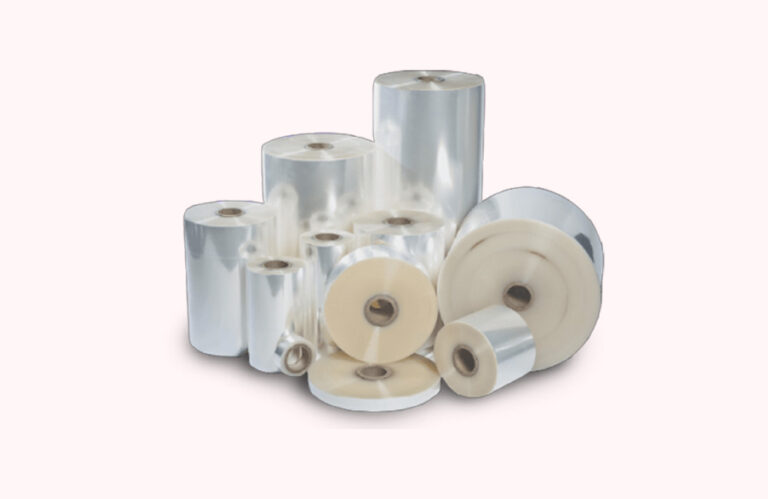
Our line is capable of producing BOPP Film in thicknesses from 10 to 60 microns, providing flexibility to meet diverse packaging needs. The specially designed co-extruder allows for the creation of high-quality matte film, offering a premium, non-glossy finish that many brands prefer. The higher diameter capacity of our winder also enables us to produce extra-long film reels, increasing efficiency and reducing changeovers for our clients. The versatility of BOPP Film makes it suitable for anything from food packaging to labels, ensuring durability and a professional appearance.

Enhanced Performance with Metallized BOPP Film

For products requiring superior barrier properties, we produce a metallized BOPP Film on a 3.650-meter-wide metallizer line from BOBST. This line is equipped with advanced Alu-Bond technology, which significantly enhances the barrier property by 4-5 times and the metal bond strength by 5-6 times compared to standard metallized films. This makes it an excellent choice for sensitive products that need protection from light and moisture. Our metallizer is also specialized with a plasma metallizing facility, further enhancing its performance.

Streamlined Production and Logistics

The production process for our BOPP Film is designed for quality and efficiency. A 3-layer extruder line hot-melts raw materials like polypropylene granules to create jumbo rolls. These rolls are then slit on a primary slitter equipped with a Bonded Friction Chuck to produce good-quality reels suitable for 8”, 6”, and 3” cores. Once ready, an automatic reel conveying system takes over, automatically weighing the reels on highly precise Mettler Toledo modules and packing them on an automatic conveyor. This streamlined process ensures that every reel of BOPP Film is produced with precision and delivered efficiently. Choosing BOPP Film means choosing a packaging solution that is both high-performing and reliable.

BOPP Laminated PP Woven Sacks | Durable Custom Packaging

Protect and showcase your products with BOPP Laminated PP Woven Bags from Satyendra Packaging. Durable, versatile, and cost-efficient solutions.

3 Key Advantages of Using BOPP Bags for Your Packaging

At Satyendra Packaging Limited, we believe packaging should do more than just hold a product—it should protect it, showcase it, and elevate your brand. That’s why we specialise in BOPP Bags, a solution trusted by leading businesses across industries. These bags can completely transform your packaging approach with their unmatched strength, durability, and premium finish. Here are the top three ways they can help your brand grow.

1. Boosts Brand Visibility

First impressions last. With BOPP Bags from Satyendra Packaging Limited, you get high-quality printing with vibrant colors and crisp graphics. Your brand logo, product details, and messaging don’t just sit on the bag—they shine. Whether you’re packaging food, agriculture products, or industrial goods, we ensure your bags stand out in any retail space.

2. Ensures Product Safety & Durability

Product safety is non-negotiable. Our BOPP Bags are tear-resistant, moisture-proof, and built to last, ensuring goods reach customers in perfect condition. From grains to construction materials, Satyendra Packaging Limited delivers bags that protect your product every step of the way.

3. Offers Versatility & Cost Efficiency

Packaging built for your business, not just any business. . Satyendra Packaging Limited offers BOPP Bags in various sizes, styles, and finishes. They’re reusable, long-lasting, and offer great value for money—making them a smart investment for both small businesses and large manufacturers.

Conclusion

Choosing BOPP Laminated PP Woven Sacks/Bags from Satyendra Packaging Limited means choosing better protection, better presentation, and better value. With our expertise and your brand vision, we can create packaging that truly works as hard as you do.

BOPP Pinch Bottom Bags | Reliable Custom Packaging

Protect and showcase your products with BOPP laminated pinch bottom bags from Satyendra Packaging. Strong, stylish, and reusable packaging options

Unlock Packaging Perfection: Why Pinch Bottom Bags Are a Game Changer

The right packaging does more than just protect your product—it elevates your brand. At Satyendra Packaging, we believe in delivering solutions that not only protect your products but also help your brand stand out. One such solution that’s taking the market by storm is Bopp laminated pinch bottom bags. These bags are redefining the standards of packaging across industries—and here’s why.

Strong, Secure, and Stylish

Packaging isn’t just about wrapping a product; it’s about ensuring it reaches the customer in perfect condition. Bopp laminated pinch bottom bags are known for their exceptional strength and tear resistance. The laminated BOPP film not only adds durability but also gives the bag a smooth, premium finish. This means your products look professional and well-protected from warehouse to doorstep.

Perfect Shape and Easy Handling

One of the standout features of Bopp laminated pinch bottom bags is their shape. The ‘pinch bottom’ design ensures the bag sits upright, making it easy to stack, store, and transport. Whether you’re packing grains, seeds, animal feed, or specialty products, the structure of these bags prevents bulging and keeps the packaging neat.

Branding That Works as Hard as You Do

With Bopp laminated pinch bottom bags, you’re not just getting great packaging—you’re getting a mobile billboard for your brand. The BOPP lamination allows for high-quality printing, so your logos, colors, and designs look sharp and vibrant. This makes your product instantly recognizable on store shelves and builds trust with your customers.

Environmentally Smart Choice

Modern consumers appreciate brands that care for the planet. Bopp laminated pinch bottom bags are lightweight, reducing transportation emissions, and can be reused for storage by customers—extending their life beyond just one use.

Trusted by Satyendra Packaging’s Expertise

At Satyendra Packaging, we’ve mastered the art of creating Bopp laminated pinch bottom bags that balance strength, style, and sustainability. Our attention to detail ensures every bag is made to the highest standards, helping your business deliver products with confidence.

If you’re ready to upgrade your packaging, it’s time to switch to Bopp laminated pinch bottom bags—a game changer that combines protection, presentation, and practicality in one smart package.

FIBC Jumbo Bags: Uses, Benefits & More | Satyendra Packaging

Discover what FIBC Jumbo Bags are, their key benefits, and how they’re used across industries. Choose durable, custom bulk bags from Satyendra Packaging.

If your business deals with transporting or storing bulk materials, you’ve probably come across FIBC Jumbo Bags, also known as Bulk Bags or Big Bags. These big, adaptable containers are vital in many industries, including agriculture, construction, chemicals, and food processing. But what exactly are they, and why are they so widely used?

Let’s break it down in simple terms.

What is an FIBC?

FIBC stands for Flexible Intermediate Bulk Container. As the name suggests, these bags are designed to carry and store large quantities of dry, flowable products like grains, sand, fertilizers, or plastic granules. These bags typically carry 500 to 2000 kg, varying by size and design.

Why Choose Bulk Bags?

One word — convenience. Bulk Bags are lightweight yet strong, making them easy to transport and store. They have lifting loops, so forklifts or cranes can move them. Plus, they take up much less space than rigid containers, especially when empty.

Another key benefit? Customization. Big Bags can be tailored to suit your product with liners for moisture protection, discharge spouts for easy emptying, or special coatings for added durability.

Where are Big Bags Used?

From packing cement at a construction site to storing seeds on a farm, Big Bags are used in nearly every sector. Their versatility and high load-bearing capacity make them an ideal packaging solution for businesses that move materials in bulk.

Choose Right. Choose Satyendra.

When it comes to high-quality FIBC Jumbo Bags, Satyendra Packaging stands out as a trusted name in the industry. With a focus on strength, safety, and reliability, Satyendra Packaging offers Bulk Bags that are tested, certified, and tailored to meet specific industry needs.

FIBC, Bulk Bags, or Big Bags, whatever you call them, these industrial workhorses are key to safe, efficient, and cost-effective bulk handling. And with Satyendra Packaging as your partner, you’re always packed for success.

Top 5 Benefits of Woven Geotextile Fabrics in Roads

Discover the top 5 advantages of woven geotextile fabrics in road construction, from soil reinforcement to drainage. Learn more with Satyendra Packaging.

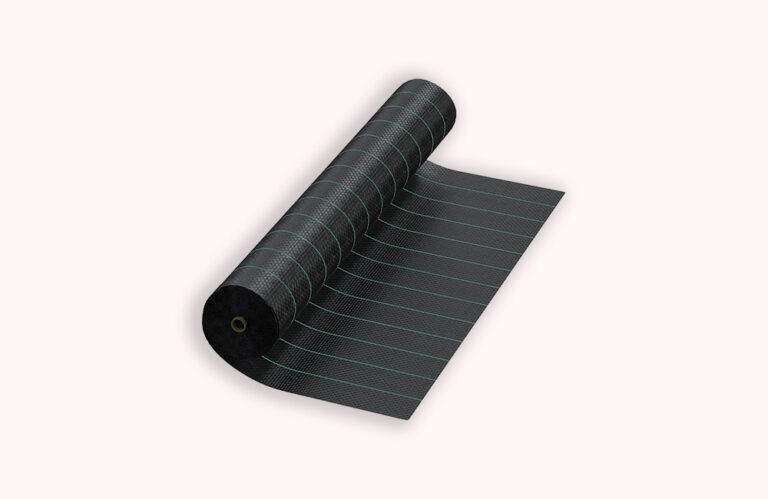
Building strong, long-lasting roads is essential for any developing nation. While concrete and asphalt are the stars of the show, there’s a hidden hero working beneath the surface: Geo-Textile Fabrics. Specifically, woven Geo-Textile Fabrics are becoming indispensable in modern road construction. At Satyendra Packaging, we understand the critical role these materials play in ensuring road durability and performance. Let’s explore the top five advantages of using woven Geo-Textile Fabrics in your next road project.

One of the primary benefits of woven Geo-Textile Fabrics is their superior separation capability. When placed between different layers of soil or aggregate, they prevent intermixing. This is crucial in areas with soft subgrades, as it stops the road’s base material from sinking into the weaker soil, maintaining the integrity and strength of the road structure.

Secondly, these fabrics excel at reinforcement. Woven Geo-Textile Fabrics have high tensile strength, meaning they can withstand significant pulling forces. By distributing loads more evenly across the roadbed, they effectively reinforce the soil, reducing stress concentrations and minimizing the formation of ruts and cracks. This leads to a longer-lasting road that requires less maintenance.

Thirdly, filtration is another key advantage. Woven Geo-Textile Fabrics allow water to pass through while preventing the migration of fine soil particles. This is vital for drainage systems within the road structure, preventing water buildup that can weaken the road and lead to premature failure. Proper filtration ensures the stability of the subgrade.

Their protection capabilities are also noteworthy. Woven Geo-Textile Fabrics act as a protective layer, shielding geomembranes or other sensitive materials from damage caused by sharp aggregates or construction equipment. This added layer of defense extends the lifespan of underlying components, contributing to the overall longevity of the road.

Finally, the cost-effectiveness of woven Geo-Textile Fabrics is a significant draw. While there’s an initial investment, the long-term benefits in terms of reduced maintenance, extended road life, and improved performance far outweigh the cost. By preventing common road issues like rutting and cracking, these fabrics lead to substantial savings over the lifetime of the road.

In conclusion, the integration of woven Geo-Textile Fabrics into road construction offers a multitude of benefits, from enhancing structural integrity to ensuring optimal drainage. For robust and enduring roads, choosing high-quality Geo-Textile Fabrics from Satyendra Packaging is a smart investment.

High-Quality BOPP Film Packaging | Satyendra Packaging India

Satyendra Packaging offers top-tier BOPP film for food. Our films provide protection, freshness, and branding through advanced packaging technology.

BOPP Film Packaging: Where Performance Meets Shelf Appeal

In the ever-evolving world of food packaging, BOPP Film—short for Biaxially Oriented Polypropylene Film—has emerged as a game-changer. Known for its strength, clarity, and resistance to moisture, BOPP Film plays a critical role in ensuring food safety, shelf appeal, and product integrity. At Satyendra Packaging, we understand that packaging is not just about wrapping a product—it’s about protecting quality, conveying a brand, and creating an impact.

As a leading BOPP film manufacturer, we’ve embraced technology and innovation to deliver packaging that meets the highest standards of hygiene and performance. Our world-class manufacturing facility allows us to produce BOPP bags and film products efficiently, helping brands maintain freshness while enhancing shelf life.

One of the biggest advantages of BOPP film in food packaging is its excellent barrier properties. It resists oil, grease, and moisture—three common enemies of packaged foods. Whether it’s snacks, confectionery, or frozen items, BOPP films offer a layer of protection that keeps food safe and tamper-proof. For businesses, this translates into fewer product returns and stronger customer trust.

At Satyendra Packaging, we aim to be more than just a BOPP film supplier in India. We strive to be a packaging partner that helps businesses build a brand image that stands out. Our team is constantly pushing boundaries in printing and design to turn packaging into a marketing asset. From bold prints to custom finishes, our BOPP and CPP film solutions are crafted to make a visual and functional impact.

We also supply biaxially oriented polypropylene bags, which are lightweight, recyclable, and ideal for food-grade applications. Being a reputed BOPP CPP film manufacturer, our commitment to safety and sustainability goes hand in hand. We believe in packaging solutions that not only protect what’s inside but also contribute positively to the environment.

Driven by our customers’ aspirations, SPL continues to redefine food packaging—one groundbreaking BOPP roll at a time.

Are BOPP Films Safe for Food Packaging? | Satyendra Group

BOPP films keep food fresh, safe, and sustainable. Discover why leading brands trust Satyendra Group for high-performance, eco-friendly packaging solutions.

Does BOPP Films Ensure Safety and Quality in Food Packaging?

In today’s competitive and fast-paced consumer market, food packaging is no longer just about containment-it’s about protection, preservation, and presentation. With growing emphasis on food safety, extended shelf life, and sustainability, choosing the right packaging material has become crucial. Among the many solutions available,BOPP Film has emerged as a top choice for the food packaging industry.

From chips to confectionery, from frozen foods to grains, BOPP films offer unparalleled clarity, durability, and barrier properties that meet the evolving demands of both consumers and manufacturers.

But what exactly makes BOPP Films so effective in ensuring food safety and quality? Let’s dive in.

What is BOPP Film?

BOPP, or Biaxially Oriented Polypropylene, is a thermoplastic polymer film that is stretched in both the machine direction (MD) and across the machine direction (TD). This biaxial orientation significantly enhances its strength, clarity, and barrier properties.

BOPP Film is widely used in food packaging due to its excellent moisture resistance, printability, and high tensile strength. It acts as a reliable barrier against oxygen, odor, and moisture-all of which are key factors in maintaining food freshness and preventing contamination.

Why BOPP Films Are Ideal for Food Packaging

Food packaging must strike a balance between aesthetic appeal and functional performance. Here’s how BOPP Films deliver on both fronts:

Excellent Barrier Properties

BOPP films provide an effective barrier against moisture and gases, which is essential to extend the shelf life of perishable products like snacks, bakery items, and dairy products. This helps keep the food crisp, fresh, and flavorful.

Superior Printability

Thanks to their glossy and matt surface and smooth texture, BOPP films allow high-quality printing that enhances brand visibility and consumer appeal. This is especially useful for brands aiming for premium shelf presence.

Non-Toxic and Food-Safe

BOPP films are non-reactive and free from harmful chemicals, making them safe for direct contact with food. As hygiene and food safety standards continue to rise, this is an essential advantage.

Lightweight and Durable

Despite being lightweight, BOPP films are strong and tear-resistant. This ensures that the packaging remains intact during handling, shipping, and storage.

Recyclable and Sustainable

With growing concerns around environmental impact, BOPP films are appreciated for being recyclable. Many BOPP film manufacturers offer eco-friendly options that support a circular economy.

Applications of BOPP Films in Food Packaging

The versatility of BOPP film makes it suitable for a wide range of food products:

Snack Foods: Chips, popcorn, and extruded snacks benefit from BOPP’s barrier properties.

Bakery Products: Breads, cookies, and cakes are packaged with BOPP films for freshness and aroma retention.

Dairy Products: Butter and cheese often come wrapped in metallized BOPP films for extra protection.

Frozen Foods: Due to their low-temperature tolerance, BOPP films are ideal for frozen food packaging.

Pulses, Grains, and Spices: Often packed in biaxially oriented polypropylene bags, these products remain moisture-free and protected.

Satyendra Group: A Trusted BOPP Film Manufacturer

When it comes to food packaging, quality and consistency are non-negotiable. That’s why businesses across industries turn to experienced suppliers like Satyendra Packaging Limited.

As a prominent BOPP film manufacturer, Satyendra Group produces a wide variety of BOPP and CPP films customized for food, industrial, and consumer applications. Their films offer high-performance lamination and sealing properties, ensuring the highest standard of safety, aesthetics, and functionality.

Their films are suitable for:

  • Laminated packaging
  • Wrap-around labels
  • Transparent or opaque pouching
  • BOPP bags for dry food products

Moreover, with a reputation as a leading BOPP film supplier in India, the Satyendra Group focuses on:

Excellent gloss and clarity

Compatibility with high-speed printing and lamination machines

Durability in cold and hot conditions

Customizable widths and finishes

Their offerings cater to both domestic and global markets, making them a reliable BOPP CPP film manufacturer for companies seeking innovative, high-quality packaging solutions.

CPP vs BOPP: A Quick Note

While both Cast Polypropylene (CPP) and BOPP Films are popular in food packaging, they serve different purposes. CPP is softer and often used as the inner sealing layer in multilayer packaging. BOPP, on the other hand, is used for the outer layer thanks to its superior printability and stiffness.

When used together, these films create high-performance packaging solutions that excel in both function and appearance.

The Future of Food Packaging with BOPP Films

As consumer expectations rise and regulatory standards evolve, the role of packaging is expanding. It’s not just about protecting the product anymore-it’s about telling a brand story, ensuring hygiene, reducing carbon footprint, and enabling convenience.

BOPP Films are at the forefront of this transformation. Innovations in surface coatings, recyclability, and barrier enhancements continue to elevate their relevance in modern packaging.

Furthermore, advancements in mono-material BOPP-based laminates are paving the way for easier recycling-an important milestone for sustainable packaging.

Key Takeaways

BOPP film is a preferred packaging material in the food industry due to its excellent clarity, barrier properties, and food-safe characteristics.

It plays a critical role in ensuring product safety, extending shelf life, and improving shelf appeal.

BOPP bags and biaxially oriented polypropylene bags are commonly used for dry food packaging like grains, snacks, and spices.

Satyendra Group, a reputed BOPP film manufacturer and BOPP CPP film manufacturer, offers industry-grade solutions tailored to specific needs.

With growing awareness around sustainability, the recyclability of BOPP films gives it an edge in future-ready packaging strategies.

Conclusion

In a world where food safety and quality are paramount, choosing the right packaging material is key to building trust with consumers. BOPP film not only meets these demands but also provides a visually appealing and environmentally responsible solution.

With trusted suppliers like Satyendra Group leading the charge, the future of food packaging is not just safe-it’s smarter, stronger, and more sustainable.

Whether you’re a brand looking to innovate your packaging or a distributor in search of a reliable BOPP film supplier in India, the message is clear: BOPP films are the present and future of food packaging.

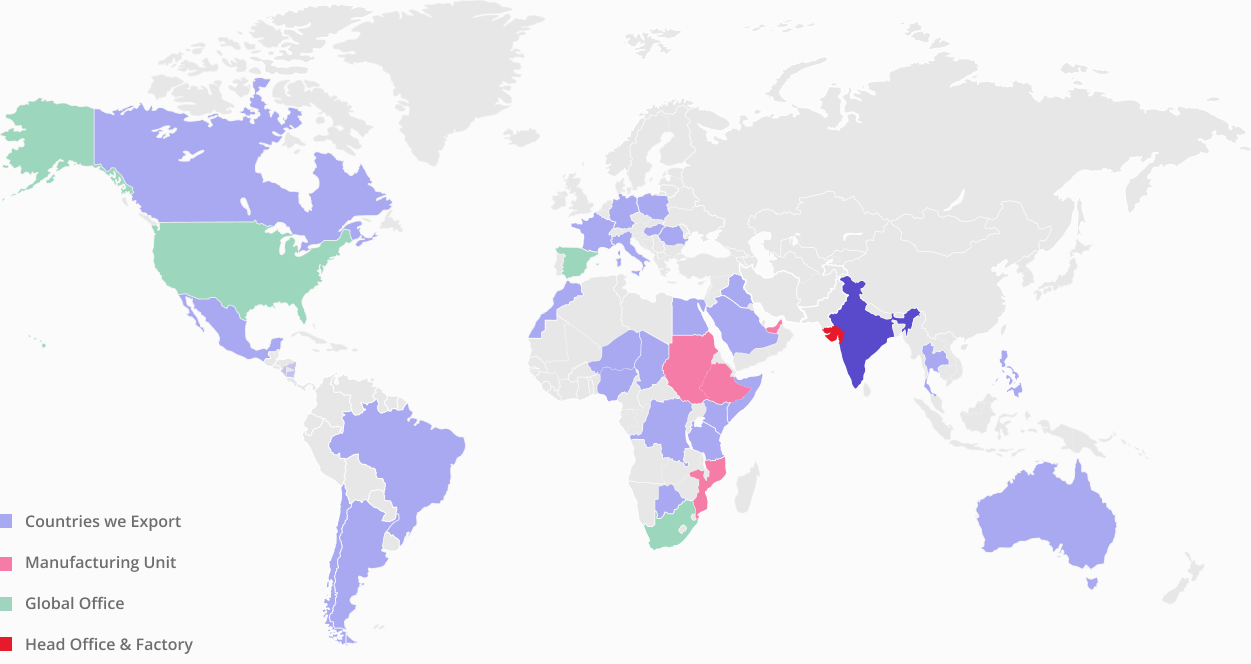
Global Existence

map01