Polypropylene (PP): Uses, Benefits, and Applications in Packaging Industry
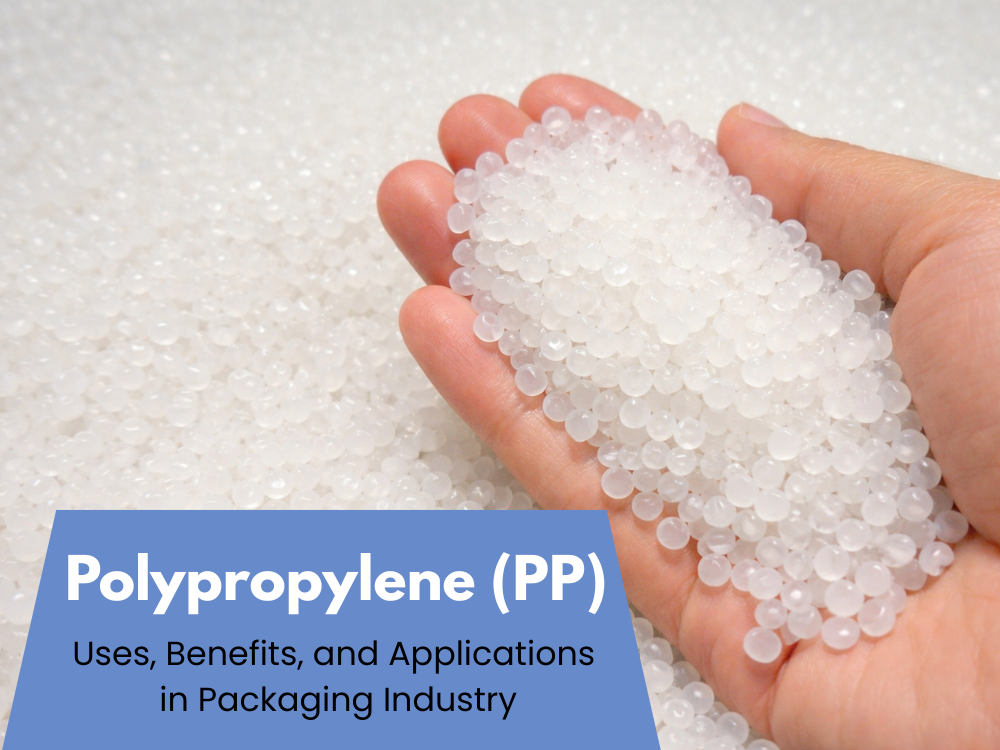
Polypropylene (PP) has quietly become one of the most relied-upon materials in the global packaging industry—and for good reason. Accounting for nearly 20% of total plastic demand worldwide, PP packaging is valued for its balance of strength, flexibility, and cost efficiency. From food containers and FMCG packaging to pharmaceutical and industrial applications, PP continues to outperform many alternatives.
What makes polypropylene stand out is its high heat resistance, lightweight nature, and excellent moisture barrier properties. These benefits allow brands to extend shelf life, reduce transportation costs, and meet growing sustainability goals. In fact, PP is among the most recycled plastics globally, with rising adoption in mono-material packaging structures designed for easier recycling.
For packaging manufacturers and brand owners, PP offers design freedom without compromising durability. Whether it’s rigid containers, flexible pouches, or caps and closures, polypropylene packaging adapts seamlessly to high-speed production lines. In an industry driven by performance, compliance, and scalability, PP remains a smart, future-ready choice for modern packaging businesses today.
What Is Polypropylene?
Polypropylene (PP) is a versatile thermoplastic polymer widely used across industries, especially in packaging, automotive, textiles, and healthcare. It is derived from propylene monomers through a controlled polymerization process, resulting in a material known for its strength, flexibility, and resistance to heat and chemicals. What sets polypropylene apart is its ability to maintain shape under stress while remaining lightweight.
In the packaging industry, PP is valued for its excellent moisture barrier, food-safe properties, and durability, making it suitable for both rigid and flexible packaging formats. It is commonly used for containers, caps, labels, films, and woven sacks. With increasing focus on recyclable and mono-material packaging, polypropylene continues to be a preferred choice for modern manufacturing and sustainable packaging solutions.
Key Properties of Polypropylene Relevant to Packaging
Polypropylene (PP) is widely used in packaging because it delivers a strong mix of durability, safety, and visual appeal. Its properties support high-speed manufacturing while meeting the practical demands of modern packaging applications.
a) Mechanical Properties
PP offers excellent tensile strength, flexibility, and impact resistance. This allows packaging to withstand handling, stacking, and transportation without cracking or deforming.
b) Thermal Properties
With a high melting point, polypropylene performs well in heat-based processes. It is suitable for hot-fill packaging and maintains stability under temperature variations.
c) Chemical Properties
PP resists moisture, acids, alkalis, and many chemicals. This makes it ideal for food, pharmaceutical, and household product packaging.
d) Aesthetic & Performance Features
Polypropylene provides clarity, smooth surface finish, and easy printability. It also supports lightweight packaging without compromising strength.
These combined properties make polypropylene a dependable, cost-effective material for diverse packaging needs across industries.
Types of Polypropylene Used in Packaging
Polypropylene used in packaging is not a one-size-fits-all material. Different types of PP are engineered to meet specific performance, durability, and visual requirements across packaging formats, from rigid containers to flexible films.
1. PP Homopolymer
PP homopolymer is the most widely used form in packaging. It offers high stiffness, good tensile strength, and excellent chemical resistance. This type is commonly used for rigid packaging such as caps, closures, thin-wall containers, and food trays where strength and cost efficiency matter.
2. PP Random Copolymer
PP random copolymer is created by adding ethylene during polymerization. This improves clarity, flexibility, and impact resistance. It is preferred for transparent food containers, medical packaging, and applications where better aesthetics and low-temperature performance are required.
3. PP Block Copolymer
Block copolymer PP provides superior toughness and impact resistance, especially at low temperatures. It is widely used in heavy-duty packaging like crates, large containers, and industrial packaging where durability is critical.
4. BOPP (Biaxially Oriented Polypropylene)
BOPP is a stretched PP film known for high clarity, gloss, and printability. It is extensively used for labels, snack packaging, and laminated pouches.
Together, these PP types allow packaging manufacturers to tailor performance, appearance, and cost based on product needs.
Major Uses of Polypropylene in the Packaging Industry
Polypropylene (PP) plays a vital role in the packaging industry due to its adaptability across multiple product categories. Its balance of strength, safety, and cost-efficiency makes it a preferred material for both everyday and specialized packaging needs.
i) Food Packaging
In food packaging, polypropylene is widely used for containers, trays, films, and microwave-safe packaging. Its excellent moisture resistance and food-grade safety help preserve freshness, extend shelf life, and maintain product quality during storage and transportation.
ii) Beverage Packaging
PP is commonly used for bottle caps, closures, straws, and in-mold labels in beverage packaging. Its durability and heat resistance ensure leak-proof sealing and consistent performance in both hot-fill and cold-fill applications.
iii) Pharmaceutical & Medical Packaging
The pharmaceutical industry relies on polypropylene for pill bottles, syringes, medical trays, and protective packaging. PP’s chemical stability, sterilization compatibility, and contamination resistance make it suitable for sensitive healthcare applications.
iv) Consumer Goods Packaging
From cosmetics and personal care products to household cleaners, polypropylene packaging offers design flexibility and durability. It supports attractive finishes, complex shapes, and high-quality printing that enhance shelf appeal.
v) Industrial Packaging
In industrial use, PP is applied in woven sacks, bulk containers, and protective packaging. Its high strength-to-weight ratio and resistance to chemicals make it ideal for handling raw materials and heavy-duty products.
Across industries, polypropylene continues to support efficient, reliable, and scalable packaging solutions.
Benefits of Using Polypropylene in Packaging
Polypropylene (PP) has become a preferred packaging material across industries because it delivers practical advantages that directly impact product safety, branding, and operational efficiency. Its versatility allows manufacturers to balance performance with cost while meeting modern packaging expectations.
- Lightweight and Cost-Effective
Polypropylene is significantly lighter than many alternative materials, helping brands reduce transportation costs and overall packaging expenses. Its high strength-to-weight ratio ensures durability without adding unnecessary bulk. - High Chemical and Heat Resistance
PP withstands exposure to chemicals, oils, and acids without reacting. Its heat resistance makes it suitable for hot-fill applications, microwave-safe containers, and products stored under varying temperature conditions. - Excellent Barrier Properties
Polypropylene offers strong resistance to moisture and vapor transmission. This helps maintain product freshness, prevent contamination, and extend shelf life, especially for food and pharmaceutical packaging. - High Customizability
PP supports a wide range of shapes, finishes, and printing techniques. From transparent containers to high-gloss films, it enables creative packaging designs that improve shelf visibility. - Hygienic and Food-Safe
Being non-toxic and odorless, polypropylene meets food-grade standards. It resists bacterial growth, making it ideal for hygiene-sensitive applications. - Recyclable and Environment-Friendly
PP is widely recyclable and increasingly used in mono-material packaging, supporting sustainability goals and reducing environmental impact.
These benefits make polypropylene a reliable, future-ready choice for packaging solutions.
Polypropylene Applications in Modern Packaging
Polypropylene has become an integral material in modern packaging, supporting a wide range of applications that combine performance, design flexibility, and sustainability. Its adaptability allows brands to meet evolving market demands without compromising efficiency.
- Flexible Packaging
Polypropylene is widely used in films, pouches, and wraps due to its excellent moisture resistance and durability. BOPP films, in particular, are popular for snack foods and FMCG products. - Rigid Packaging
In rigid formats, PP is used for containers, jars, caps, and lids. Its strength and heat resistance make it suitable for reusable and microwave-safe packaging. - Protective Packaging
PP provides reliable protection for goods during storage and transit. It is used in trays, inserts, and cushioning materials that prevent damage to sensitive products. - Labeling & Branding
Polypropylene supports high-quality printing, gloss, and clarity. This makes it ideal for in-mold labels and pressure-sensitive labels that enhance shelf appeal. - Sustainable Packaging Innovations
Modern packaging increasingly uses recyclable and mono-material PP structures. Recycled polypropylene and lightweight designs are helping brands reduce environmental impact while maintaining performance.
These applications highlight polypropylene’s role in shaping efficient, future-focused packaging solutions.
Conclusion:
Polypropylene (PP) has firmly established itself as a backbone material in the packaging industry, thanks to its versatility, durability, and cost efficiency. From food and beverage packaging to pharmaceuticals, consumer goods, and industrial applications, PP consistently meets the performance demands of modern supply chains. Its lightweight nature, strong barrier properties, heat resistance, and recyclability make it a smart choice for brands focused on both functionality and sustainability.
For businesses looking to upgrade or innovate their packaging solutions, partnering with an experienced manufacturer makes all the difference. SatyendraPackagingLtd. (SPL) brings deep industry expertise, advanced production capabilities, and quality-driven processes to deliver customized polypropylene packaging that aligns with market needs. Whether you require flexible films, rigid containers, or sustainable PP formats, SPL offers solutions built for scale and reliability.
As packaging continues to evolve toward efficiency and eco-conscious design, polypropylene remains future-ready—and with the right partner, it can unlock long-term value for your brand.
Recent Blogs
- What Is Masterbatch? Types, Advantages, and Role in Plastic Industry
- Ventilated Bulk Bags Explained: Design, Durability, and Real-World Applications
- Pinch Bottom Bags: Why Brands Are Switching to This Smart Packaging?
- FIBC vs. Rigid Containers: Which One Delivers Better ROI for Bulk Transport?
- The Rise of Flexible Packaging: What Manufacturers and Startups Must Know
- What Is PP Multifilament Yarn? Benefits, Uses, and Industry Applications
- Leno Bags: A Stronger Packaging Backbone for India’s Farm Produce Market
- The Ultimate Guide to Choosing the Geotextile Fabric for Your Project
- Top 6 Best Packaging Materials for Bulk Goods: Strong & Sustainable
- What is Flexible Packaging? The Smart Choice for FMCG Export & Supply
- Complete Guide to FIBC Bags – Types, Uses, and Benefits You Should Know
- BOPP Laminated Woven Bags Benefits | Satyendra Packaging
- Innovative BOPP Film | Satyendra Packaging Ltd Manufacturing
- BOPP Pinch Bottom Bags | Reliable Custom Packaging
- BOPP Laminated PP Woven Sacks | Durable Custom Packaging
- Leno Bags for Fresh Produce – Breathable & Durable Packs
- PP Woven Fabric: Meaning, Properties & Applications Guide
- FIBC Jumbo Bags: Uses, Benefits & More | Satyendra Packaging
- Top 5 Benefits of Woven Geotextile Fabrics in Roads
- High-Quality BOPP Film Packaging | Satyendra Packaging India
- Are BOPP Films Safe for Food Packaging? | Satyendra Group
- Are FIBCs Recyclable? A Guide to Sustainable Bulk Bags
- BOPP/PP Block Bottom Bags: Types, Benefits & Industry Uses
- Why PP Multifilament Yarn is Essential for Multiple Industries
- Boost Your Business with BOPP Bags
- Knitted Geotextiles: Game-Changer in Civil Engineering Solutions
- How Flexible Packaging Solutions Help to Grow Business
- FIBC Bags: The Versatile Solution for Bulk Material Handling
- Types of Flexible Packaging and Their Advantages
- Reasons Why PP Leno Mesh Bags Are the Best Choice for Produce Packaging
- Why BOPP Laminated PP Woven Bags Are Right For Your Business?
- Woven Polypropylene Bags: The Complete Guide
- Exploring the Benefits of FIBC Bulk Bags: A Practical Guide