The Ultimate Guide to Choosing the Geotextile Fabric for Your Project
In the world of civil engineering and environmental construction, choosing the right geotextile fabric is a decision that deeply influences soil stabilization, drainage, and erosion control. The global geotextiles market was valued at USD 7.10 billion in 2022 and is projected to grow at a CAGR of 6.6 % through 2030, reflecting surging demand across infrastructure sectors.
There are so many technical variables to consider — synthetic versus natural materials, woven versus non-woven structures, load-bearing strengths — and each plays a critical role depending on whether the project is for road construction, landfill liners, or green infrastructure. At the same time, regulatory trends and sustainability goals are pushing more engineers to opt for geotextiles that offer durability and environmental compatibility.
This guide breaks down the key types of geotextile fabrics, explains how to evaluate their performance characteristics, and highlights the latest market trends. Whether the priority is long-term reinforcement, cost-efficiency, or eco-safety, the insights offered here will help professionals make well-informed, data-driven choices — all without getting bogged down in jargon.
What is Geotextile Fabric?
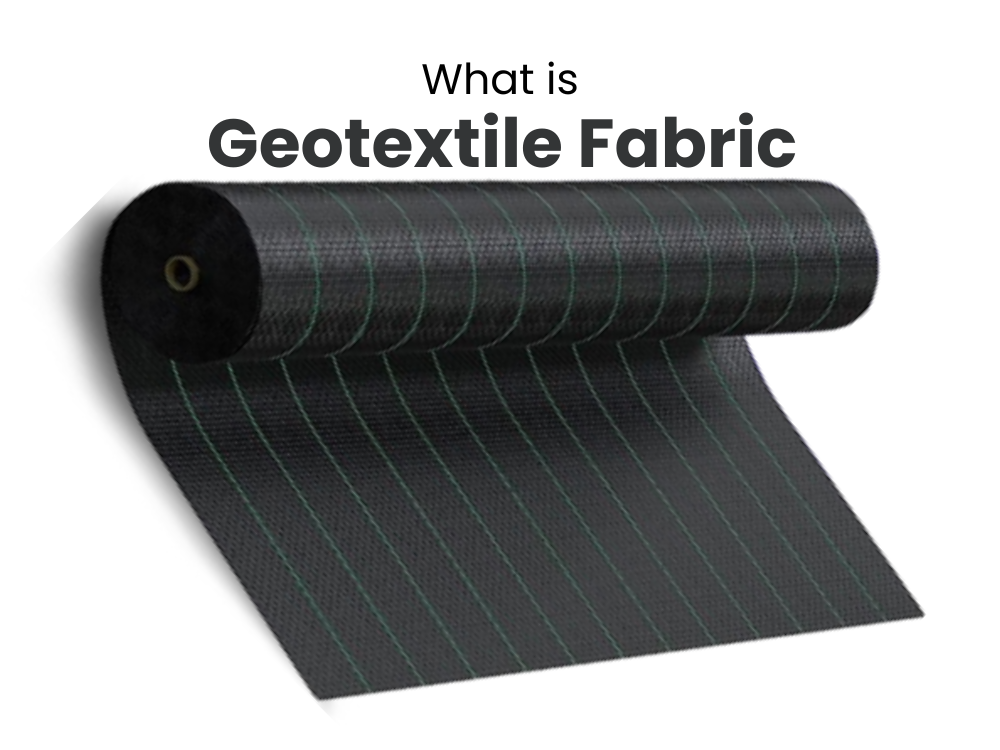
Geotextile fabric is a specially engineered permeable textile used in civil engineering, construction, and environmental applications to improve soil performance. Made from synthetic fibers like polypropylene or polyester, it allows water to pass through while retaining soil particles, making it ideal for separation, filtration, reinforcement, drainage, and erosion control.
Available in woven and non-woven forms, geotextiles are widely used in roads, embankments, landfills, retaining walls, and landscaping to enhance strength, stability, and long-term durability of the structure.
Major Types of Geotextile Fabric that Being Used
Several key types of geotextile fabrics are commonly used across modern construction and infrastructure projects, each offering specific performance benefits.
a. Woven Geotextiles
These are made by weaving synthetic yarns, creating a strong and durable structure. Their high tensile strength makes them ideal for soil reinforcement, load distribution, and road construction.
b. Non-Woven Geotextiles
Produced through bonding or felting fibers, these fabrics allow excellent filtration and drainage. They are widely used in erosion control and soil stabilization.
c. Knitted Geotextiles
Made by interlooping yarns, these fabrics provide flexibility and strength, suitable for specialized and complex project needs.
Key Functions of Geotextile Fabrics in Construction and Infrastructure Projects
Geotextile fabrics play a crucial role in modern construction and infrastructure projects by enhancing soil performance, increasing structural lifespan, and improving overall ground stability.
a) Separation
Geotextiles prevent the intermixing of different soil layers, maintaining structural integrity in applications like roadways, railways, and embankments. This ensures that the designed load distribution and foundation strength remain consistent over time.
b) Filtration
These fabrics allow water to pass through while retaining soil particles, making them essential in preventing clogging around drainage systems, retaining walls, and erosion control structures.
c) Drainage
Geotextiles provide paths for water movement within the soil, helping disperse excess moisture and preventing water pressure buildup. This supports long-term stability in roads, foundations, and landscaping projects.
d) Reinforcement
By distributing loads and increasing tensile strength, geotextiles enhance the stability of weak soils, extending the service life of pavements, retaining structures, and embankments.
e) Protection
Geotextiles act as cushioning layers, protecting geomembranes and other materials from puncture, damage, and long-term wear.
How to Choose the Right Geotextile Fabric for Your Project?
Selecting the right geotextile fabric starts with a clear understanding of project goals and site conditions.
a) Understand Project Requirements
Identify whether the application demands soil separation, reinforcement, drainage, filtration, or protection. Knowing what the geotextile must achieve helps narrow down material choices from the start.
b) Check Fabric Properties
Evaluate key characteristics such as tensile strength, permeability, puncture resistance, thickness, and elongation. These technical parameters determine how well the fabric will perform under physical stress and environmental pressure.
c) Match Fabric Type to Application
Woven fabrics suit reinforcement and load distribution; non-woven types excel in drainage and filtration; knitted geotextiles work for specialized applications requiring flexibility. Selecting the right structure ensures long-term performance and stability.
d) Assess Environmental and Cost Factors
Project location, soil chemistry, weather conditions, and expected lifespan should guide material choice. Balancing durability with budget ensures the most cost-effective and technically suitable solution.
Application Areas of Geotextile Fabrics Across Different Industries
Geotextile fabrics have become indispensable across several industries due to their ability to reinforce soil, improve drainage, and extend the lifespan of engineering structures.
i) Road Construction
In highways and pavements, geotextiles separate soil layers, distribute loads, and prevent rutting. This results in longer-lasting and more stable road surfaces, especially in weak soil conditions.
ii) Landfills and Waste Management
They act as protective layers above geomembranes, preventing punctures and improving drainage. Geotextiles also facilitate leachate management, helping maintain environmental safety standards.
iii) Erosion Control
Used in riverbanks, shorelines, and slopes, these fabrics prevent soil displacement caused by wind, rain, and water flow while allowing natural vegetation to establish.
iv) Agriculture
Geotextiles improve soil aeration, assist in drainage, and reduce weed growth, contributing to healthier crop conditions and increased yield potential.
v) Building Foundations
In construction, geotextiles reinforce weak subgrades, enhance load-bearing capacity, and provide long-term stability for residential, commercial, and industrial structures.
Common Mistakes to Avoid When Selecting Geotextile Fabric
Selecting the right geotextile fabric manufacturer requires proper evaluation, and several common mistakes can compromise project performance.
1. Choosing the Wrong GSM or Thickness
Many projects fail because the selected geotextile is either too thin or unnecessarily thick. GSM and thickness directly influence strength, durability, and reinforcement capacity, so choosing incorrectly can affect long-term stability.
2. Ignoring Permeability and Drainage Capacity
Overlooking how well the fabric allows water to pass can result in waterlogging, soil movement, or clogged drainage layers. Proper permeability is essential for filtration and long-term structural health.
3. Not Considering Soil Testing or Load Analysis
Skipping soil evaluation and expected load calculations may lead to premature failure. Each soil type reacts differently under stress, making early testing vital.
4. Overlooking Environmental Exposure
UV radiation, chemicals, temperature shifts, and biological factors can degrade geotextiles. Selecting materials designed for the surrounding environment ensures performance and longevity.
Conclusion:
With the growing demand for stronger, safer, and longer-lasting infrastructure, selecting the right geotextile fabric has become more important than ever. From soil separation and drainage to reinforcement and protection, every application requires a material that aligns with technical performance needs, environmental exposure, and long-term durability expectations. As this guide explained, understanding project conditions, studying material properties, and aligning woven, non-woven, or knitted fabrics to the right use case ensures reliable results on site.
If you are planning a project and need expert support, Satyendra Packaging Ltd. (SPL) offers industrial-grade geotextile solutions designed to perform under real-world conditions. Reach out to SPL for product guidance and application support.
Choosing wisely not only reduces maintenance costs but also extends the overall life of the structure. With the right geotextile fabric and trusted manufacturing partners, construction projects can gain stronger foundations and future-proof resilience.
Recent Blogs
- What Is Masterbatch? Types, Advantages, and Role in Plastic Industry
- Ventilated Bulk Bags Explained: Design, Durability, and Real-World Applications
- Pinch Bottom Bags: Why Brands Are Switching to This Smart Packaging?
- FIBC vs. Rigid Containers: Which One Delivers Better ROI for Bulk Transport?
- The Rise of Flexible Packaging: What Manufacturers and Startups Must Know
- What Is PP Multifilament Yarn? Benefits, Uses, and Industry Applications
- Polypropylene (PP): Uses, Benefits, and Applications in Packaging Industry
- Leno Bags: A Stronger Packaging Backbone for India’s Farm Produce Market
- Top 6 Best Packaging Materials for Bulk Goods: Strong & Sustainable
- What is Flexible Packaging? The Smart Choice for FMCG Export & Supply
- Complete Guide to FIBC Bags – Types, Uses, and Benefits You Should Know
- BOPP Laminated Woven Bags Benefits | Satyendra Packaging
- Innovative BOPP Film | Satyendra Packaging Ltd Manufacturing
- BOPP Pinch Bottom Bags | Reliable Custom Packaging
- BOPP Laminated PP Woven Sacks | Durable Custom Packaging
- Leno Bags for Fresh Produce – Breathable & Durable Packs
- PP Woven Fabric: Meaning, Properties & Applications Guide
- FIBC Jumbo Bags: Uses, Benefits & More | Satyendra Packaging
- Top 5 Benefits of Woven Geotextile Fabrics in Roads
- High-Quality BOPP Film Packaging | Satyendra Packaging India
- Are BOPP Films Safe for Food Packaging? | Satyendra Group
- Are FIBCs Recyclable? A Guide to Sustainable Bulk Bags
- BOPP/PP Block Bottom Bags: Types, Benefits & Industry Uses
- Why PP Multifilament Yarn is Essential for Multiple Industries
- Boost Your Business with BOPP Bags
- Knitted Geotextiles: Game-Changer in Civil Engineering Solutions
- How Flexible Packaging Solutions Help to Grow Business
- FIBC Bags: The Versatile Solution for Bulk Material Handling
- Types of Flexible Packaging and Their Advantages
- Reasons Why PP Leno Mesh Bags Are the Best Choice for Produce Packaging
- Why BOPP Laminated PP Woven Bags Are Right For Your Business?
- Woven Polypropylene Bags: The Complete Guide
- Exploring the Benefits of FIBC Bulk Bags: A Practical Guide