The Rise of Flexible Packaging: What Manufacturers and Startups Must Know
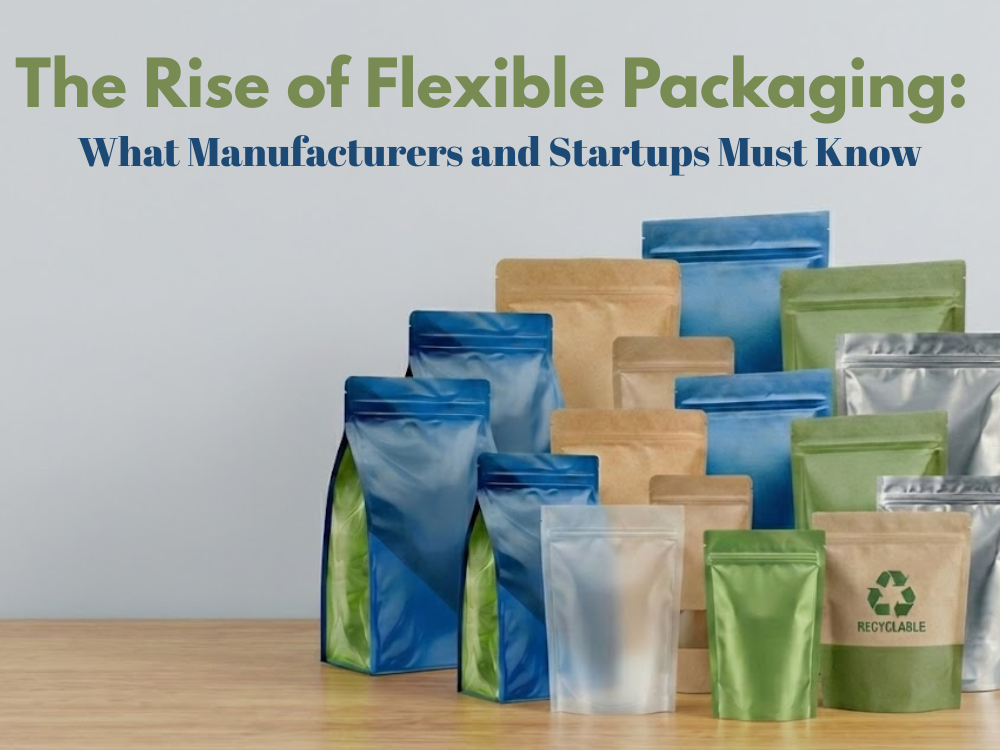
Flexible packaging is no longer a trend; it is fast becoming the default choice for brands across food, FMCG, pharmaceuticals, and personal care. As an industry expert watching packaging evolve for over a decade, the shift is hard to ignore.
Globally, flexible packaging now accounts for nearly 40% of total packaging demand, driven by lightweight materials, lower logistics costs, and better shelf appeal. In India alone, the segment is growing at over 8% CAGR, powered by eCommerce, urban consumption, and sustainability-focused buyers.
What makes flexible packaging so attractive? It uses up to 70% less material than rigid formats, improves product freshness, and offers unmatched design flexibility. For startups, it lowers entry barriers. For manufacturers, it unlocks speed, scalability, and customization. If you are building or scaling a brand today, understanding flexible packaging solutions, materials, and market dynamics is no longer optional—it is a competitive necessity in modern high-growth packaging-driven consumer markets worldwide today.
Why Flexible Packaging Is No Longer Optional for Growing Brands?
Flexible packaging has moved from being a “nice-to-have” to a strategic must for growing brands. Today’s consumers expect convenience, freshness, and sustainability—and flexible formats deliver on all three.
Compared to rigid packaging, flexible packaging reduces material usage by up to 60%, lowers transportation costs, and extends shelf life, directly impacting profitability. For fast-scaling brands, this means better margins and faster market expansion.
Design flexibility is another big advantage. Stand-up pouches, sachets, and resealable packs help brands stand out on crowded shelves and perform better in eCommerce. Flexible packaging also supports smaller batch runs, making it ideal for startups testing new products or SKUs.
With rising competition and price-sensitive markets, brands that ignore flexible packaging risk higher costs, slower scalability, and weaker consumer appeal. Simply put, flexible packaging is now essential for sustainable growth.
Key Factors Driving the Growth of Flexible Packaging
Flexible packaging is reshaping how products are packed, shipped, and experienced by consumers. What once started as a cost-saving alternative has now become a growth enabler for brands across food, FMCG, pharma, and personal care. Its rapid adoption is driven by a mix of economic efficiency, smart design, and evolving consumer habits.
a) Cost Efficiency That Improves Profitability
One of the strongest growth drivers is cost efficiency compared to rigid packaging. Flexible packaging uses less raw material, consumes lower energy during production, and minimizes waste. For manufacturers and startups, this means reduced packaging costs and healthier margins without compromising quality.
b) Lightweight Structure and Lower Logistics Costs
Being lightweight, flexible packaging cuts transportation and warehousing expenses. Lower fuel usage and easier handling make it especially valuable for eCommerce and large-scale distribution.
c) Strong Shelf Appeal and Branding Freedom
High-quality printing, unique formats, and premium finishes allow brands to create eye-catching packaging that stands out on shelves and online.
d) Convenience for Today’s Consumers
Resealable, portable, and space-saving designs match modern lifestyles, making flexible packaging a clear winner in today’s competitive market.
Why Startups and Businesses Are Choosing Flexible Packaging First?
For startups and fast-growing businesses, flexible packaging has become the first choice—not just for cost reasons, but for speed, flexibility, and scalability. In highly competitive markets, brands need packaging that adapts as quickly as their ideas do, and flexible formats make that possible.
i) Low Minimum Order Quantities
Unlike rigid packaging, flexible packaging allows low minimum order quantities. This helps startups avoid heavy upfront investments and reduce inventory risk, especially during early-stage product launches or seasonal trials.
ii) Easy Brand Experimentation and Design Changes
Flexible packaging supports quick design updates, limited editions, and regional variations. Brands can test new flavors, formulations, or messaging without committing to large production runs.
iii) Faster Go-to-Market Timelines
Shorter production cycles and simpler tooling mean products reach shelves and online platforms faster. This speed gives startups a clear advantage when responding to trends or consumer demand shifts.
iv) Ideal for D2C and eCommerce Brands
Lightweight, durable, and space-efficient, flexible packaging reduces shipping costs and damage risks. For D2C and eCommerce brands, it ensures better delivery performance and an improved customer unboxing experience.
Benefits of Flexible Packaging for Manufacturers
Flexible packaging offers manufacturers a strong mix of efficiency, performance, and branding flexibility, making it a smart choice in today’s competitive packaging landscape. As demand for cost-effective and scalable solutions grows, manufacturers are increasingly shifting toward flexible formats.
a) Lower Material and Operational Costs
Flexible packaging uses fewer raw materials and requires less energy during production compared to rigid packaging. This leads to lower operational costs, reduced waste, and improved resource efficiency across manufacturing lines.
b) Faster Production and Easy Scalability
With simpler tooling and shorter setup times, flexible packaging manufacturer enables faster production cycles. Manufacturers can scale output quickly to meet rising demand without major infrastructure changes.
c) Improved Product Protection and Shelf Life
Advanced barrier films protect products from moisture, oxygen, and contamination. This helps maintain freshness, extends shelf life, and reduces product loss during storage and transportation.
d) Custom Print and Branding Opportunities
High-quality printing, multiple finishes, and design flexibility allow manufacturers to deliver visually appealing packaging that supports strong brand identity while meeting diverse client requirements.
Challenges in Flexible Packaging You Should Be Aware Of
While flexible packaging offers clear advantages, it also comes with challenges that brands and manufacturers should understand early. Being aware of these factors helps in making smarter, long-term packaging decisions.
1. Recycling Infrastructure Limitations
One of the biggest concerns is limited recycling infrastructure, especially for multi-layer flexible materials. In many regions, collection and processing systems are still evolving, making proper disposal a challenge and increasing pressure on brands to adopt recyclable alternatives.
2. Regulatory and Compliance Challenges
Flexible packaging must meet strict food safety, labeling, and environmental regulations. Changing government policies and sustainability norms require constant monitoring and timely compliance, which can increase operational complexity.
3. Material Selection and Quality Control
Choosing the right material is critical. Poor material selection can impact durability, barrier performance, and product safety. Maintaining consistent quality across suppliers and batches requires strong quality control systems and technical expertise.
How to Choose the Right Flexible Packaging Partner?
Choosing the right flexible packaging partner can directly impact your product quality, brand image, and long-term growth. With so many options available, the decision should go beyond pricing and focus on capability, reliability, and future readiness.
-
Quality Standards and Certifications
Start by checking quality benchmarks and certifications. A reliable packaging partner should follow recognized food safety and quality standards such as ISO, BRC, or FDA compliance where applicable. These certifications ensure consistent material quality, safety, and regulatory adherence.
-
Customization and Printing Capabilities
Flexible packaging thrives on design freedom. Your partner should offer advanced printing technologies, multiple finishes, and format options like stand-up pouches, sachets, or roll stock. Strong customization capabilities help your brand stand out in competitive markets.
-
Industry Experience and Technical Support
Experience matters. A packaging partner with proven industry exposure can guide you on material selection, barrier properties, and cost optimization. Access to technical support ensures faster problem-solving and smoother production runs.
-
Scalability for Future Growth
As your business grows, your packaging needs will evolve. Choose a partner who can scale production volumes, support new SKUs, and adapt to changing market demands without delays. A future-ready packaging partner becomes a strategic asset, not just a supplier.
Final Thoughts:
Flexible packaging is no longer just an industry shift—it is a strategic advantage for manufacturers and startups aiming to stay competitive, cost-efficient, and consumer-focused. From lower material usage and faster scalability to stronger shelf appeal and eCommerce readiness, flexible packaging aligns perfectly with how modern markets operate today. As sustainability expectations rise and product lifecycles shorten, brands that adapt early gain a clear edge in speed, profitability, and innovation.
The key lies in choosing the right materials, formats, and, most importantly, the right packaging partner. This is where experience and technical expertise make all the difference. If you are planning to upgrade your packaging strategy or launch your next product, now is the time to act.
Satyendra Packaging Ltd. (SPL) works closely with brands to deliver high-quality, customizable flexible packaging solutions designed for growth. Connect with SPL to explore packaging that performs better, looks sharper, and scales effortlessly with your business ambitions.
Recent Blogs
- What Is Masterbatch? Types, Advantages, and Role in Plastic Industry
- Ventilated Bulk Bags Explained: Design, Durability, and Real-World Applications
- Pinch Bottom Bags: Why Brands Are Switching to This Smart Packaging?
- FIBC vs. Rigid Containers: Which One Delivers Better ROI for Bulk Transport?
- What Is PP Multifilament Yarn? Benefits, Uses, and Industry Applications
- Polypropylene (PP): Uses, Benefits, and Applications in Packaging Industry
- Leno Bags: A Stronger Packaging Backbone for India’s Farm Produce Market
- The Ultimate Guide to Choosing the Geotextile Fabric for Your Project
- Top 6 Best Packaging Materials for Bulk Goods: Strong & Sustainable
- What is Flexible Packaging? The Smart Choice for FMCG Export & Supply
- Complete Guide to FIBC Bags – Types, Uses, and Benefits You Should Know
- BOPP Laminated Woven Bags Benefits | Satyendra Packaging
- Innovative BOPP Film | Satyendra Packaging Ltd Manufacturing
- BOPP Pinch Bottom Bags | Reliable Custom Packaging
- BOPP Laminated PP Woven Sacks | Durable Custom Packaging
- Leno Bags for Fresh Produce – Breathable & Durable Packs
- PP Woven Fabric: Meaning, Properties & Applications Guide
- FIBC Jumbo Bags: Uses, Benefits & More | Satyendra Packaging
- Top 5 Benefits of Woven Geotextile Fabrics in Roads
- High-Quality BOPP Film Packaging | Satyendra Packaging India
- Are BOPP Films Safe for Food Packaging? | Satyendra Group
- Are FIBCs Recyclable? A Guide to Sustainable Bulk Bags
- BOPP/PP Block Bottom Bags: Types, Benefits & Industry Uses
- Why PP Multifilament Yarn is Essential for Multiple Industries
- Boost Your Business with BOPP Bags
- Knitted Geotextiles: Game-Changer in Civil Engineering Solutions
- How Flexible Packaging Solutions Help to Grow Business
- FIBC Bags: The Versatile Solution for Bulk Material Handling
- Types of Flexible Packaging and Their Advantages
- Reasons Why PP Leno Mesh Bags Are the Best Choice for Produce Packaging
- Why BOPP Laminated PP Woven Bags Are Right For Your Business?
- Woven Polypropylene Bags: The Complete Guide
- Exploring the Benefits of FIBC Bulk Bags: A Practical Guide